1 hr ago
Minab School Strike: Outdated Data, AI and Checks Blamed
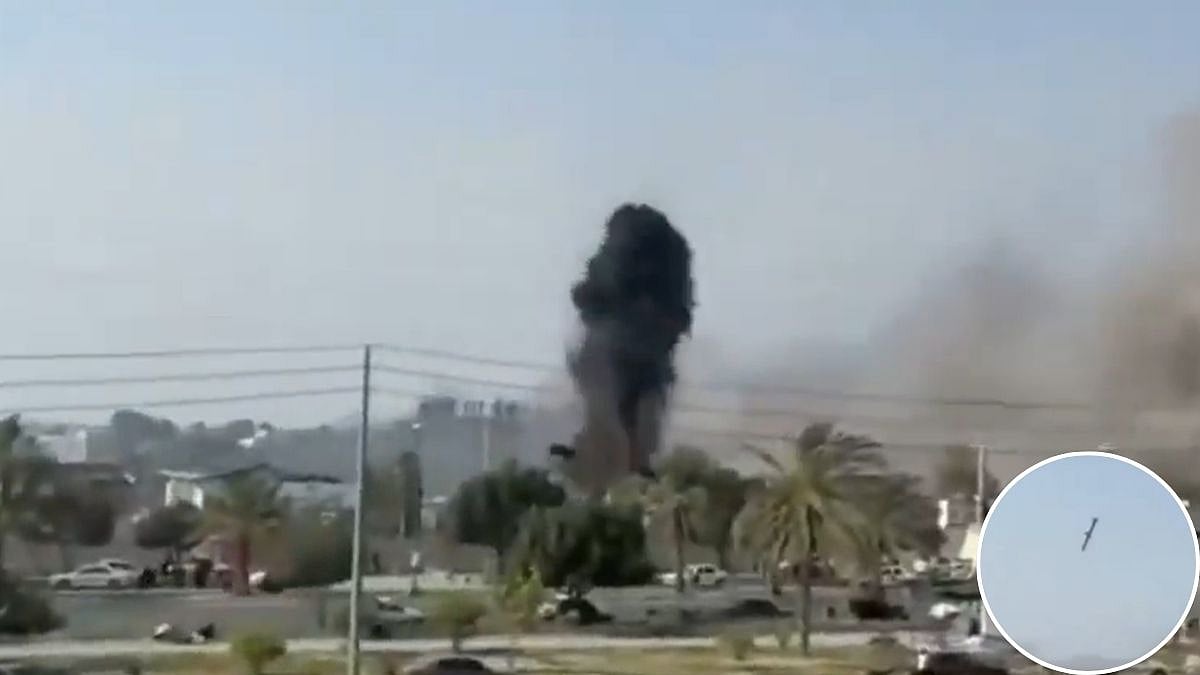
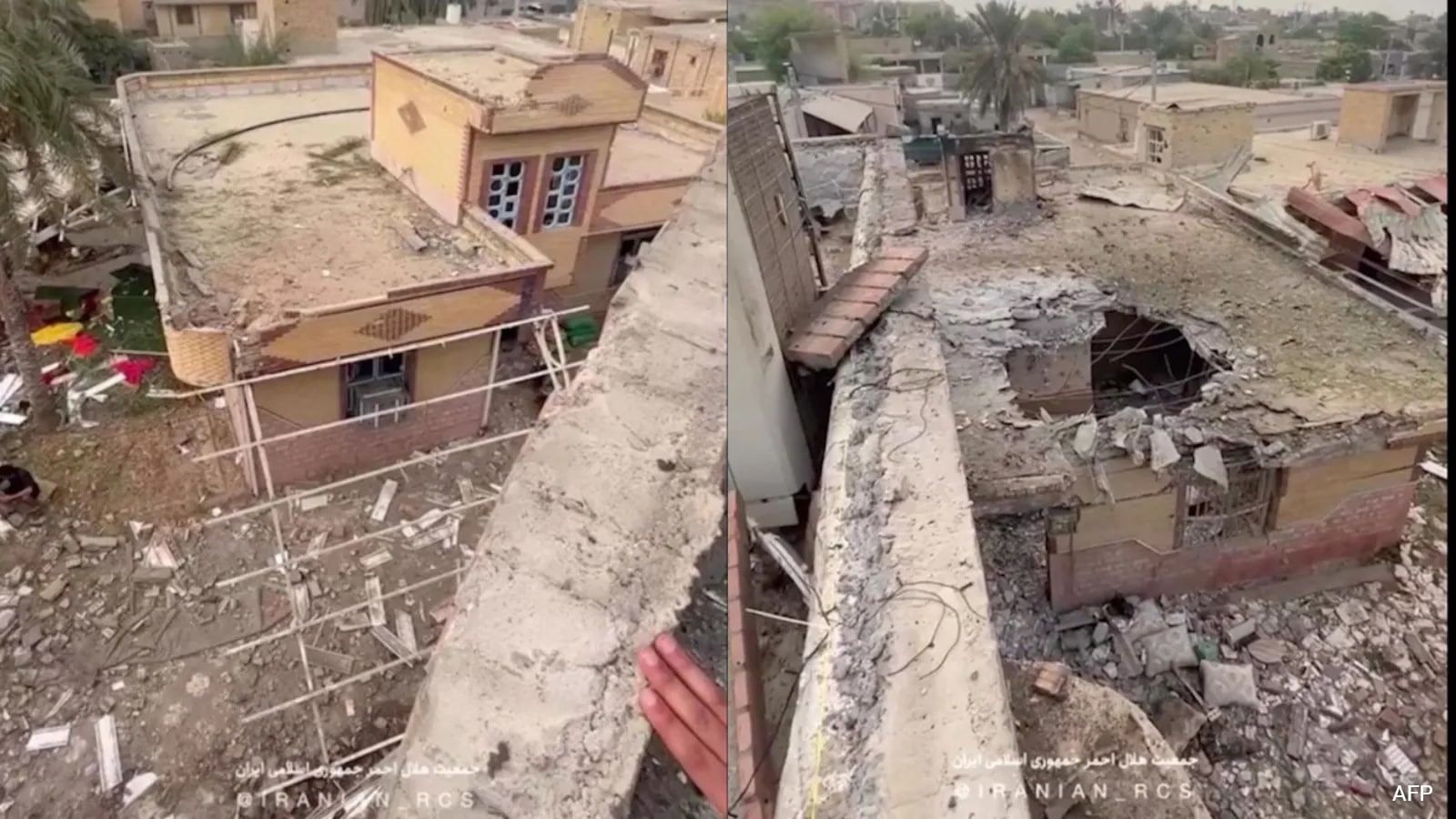
Two missiles hit a school in Minab, Iran, on February 28.
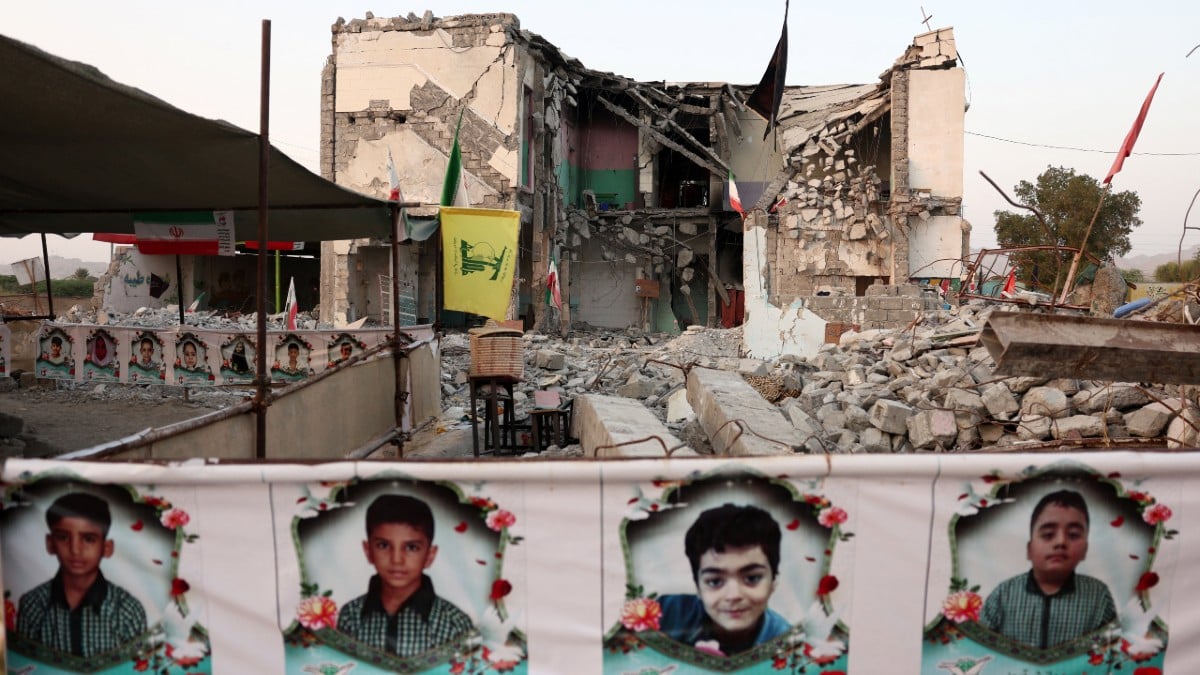
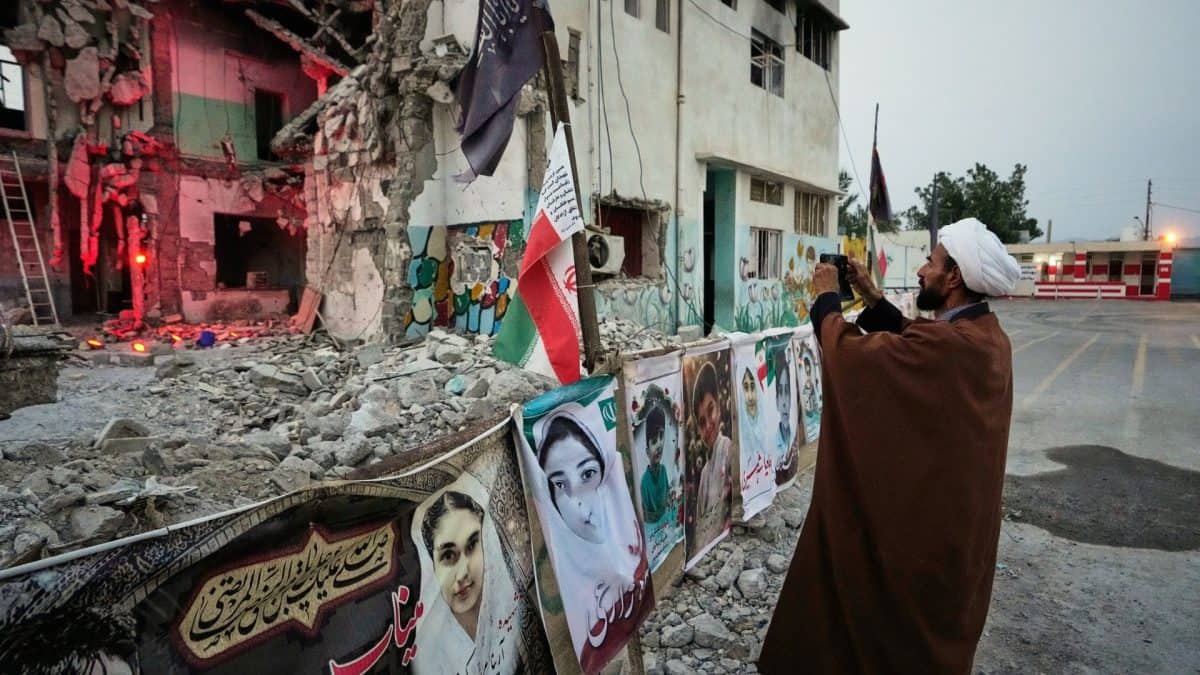
More than 150 people died, including at least 123 children.
The United States said the location was a military site connected to Iran's Revolutionary Guard.
However, newer pictures showed that the place had become a school years earlier.
Important information about the change was stored separately and was not used properly.
An artificial-intelligence system called Maven helped recommend the site as a target.
Military planners were working very quickly and had fewer people checking for danger to civilians.
A United Nations investigation said the failure may have been serious enough to count as a war crime.
The United States has not accepted responsibility and says its investigation is still ongoing.

Two Tomahawk missiles struck Shajarah Tayyebeh Elementary School in Minab on February 28, killing more than 150 people, including at least 123 children.
The site remained classified as an Islamic Revolutionary Guard Corps facility despite imagery showing it had become a functioning school.
A Bloomberg investigation found that outdated intelligence, accelerated targeting and heavy reliance on AI contributed to preventable failures.
Civilian-protection staffing had reportedly been cut sharply, and no civilian-harm specialist reviewed the site before the strike.
A United Nations investigation found reasonable grounds to consider the strike a war crime, while the United States has not publicly accepted responsibility.
- Who
- The victims were students and other civilians at Shajarah Tayyebeh Elementary School; the strike was attributed to United States forces during a joint US-Israeli campaign against Iran.
- What
- Two Tomahawk missiles struck the school, killing more than 150 people, including at least 123 children.
- Where
- Shajarah Tayyebeh Elementary School in Minab, southern Iran.
- When
- February 28.
- Why
- The site was targeted because US military databases still classified it as an Islamic Revolutionary Guard Corps facility, despite evidence that it had become a school.
Investigation and Accountability Concerns
United States Response
Responsibility for the strike
Investigation and Accountability Concerns
A United Nations investigation said the United States failed to do everything feasible to verify that the school was a military target, and that the failure went beyond negligence.
United States Response
The United States has not publicly accepted responsibility. A senior administration official said the United States does not target civilians, while the Pentagon said its investigation remains ongoing.
Role of artificial intelligence
Investigation and Accountability Concerns
Officials involved in the Pentagon inquiry said personnel placed excessive confidence in the Maven system and expected it to detect outdated or contradictory intelligence.
United States Response
Palantir Technologies said it was not responsible for the underlying data or for identifying intelligence deficiencies, and said there was no evidence its software caused the strike.
Military decision-making
Investigation and Accountability Concerns
Critics cited outdated imagery, compressed targeting timelines and reduced civilian-protection staffing as preventable failures that removed opportunities to identify the school.
United States Response
The strike occurred during a rapid opening assault involving more than 1,000 targets in the first 24 hours, while the Pentagon has declined to publicly discuss the inquiry before it is completed.
Key facts
- Reported deaths
- More than 150 people
- Children killed
- At least 123
- Weapons used
- Two Tomahawk missiles
- Targeting system
- Maven Smart System
- Database classification
- Islamic Revolutionary Guard Corps facility
- Civilian-harm staffing
- The US Central Command team was reportedly reduced from 10 personnel to one
- UN finding
- Reasonable grounds existed to conclude the strike amounted to a war crime
Quotes
A senior administration official
Unnamed senior official commenting on the strike and the Pentagon investigation
“I don't think anybody's going to ever be able to say what happened there.”
 freepressjournal.in
“The United States does not target civilians.”
freepressjournal.in
Laurie Blank
Former special counsel at the Pentagon's general counsel from 2022 to 2024
“A rush to hit pre-planned targets just isn't the same thing, especially when the operations are launched by choice and not in response to an attack where you are responding without time to plan.”
freepressjournal.in
Sources
Related news
AI Reliance and Outdated Images Linked to Minab Strike

UN probe flags possible US war crimes in Iran

UN Probe Accuses US of War Crimes, Tehran of Crimes
United Nations Experts Cite Possible United States War Crimes

Senators Seek Investigations Into Reported U.S. Military AI Failures