13 hrs ago
AI Reliance and Outdated Images Linked to Minab Strike
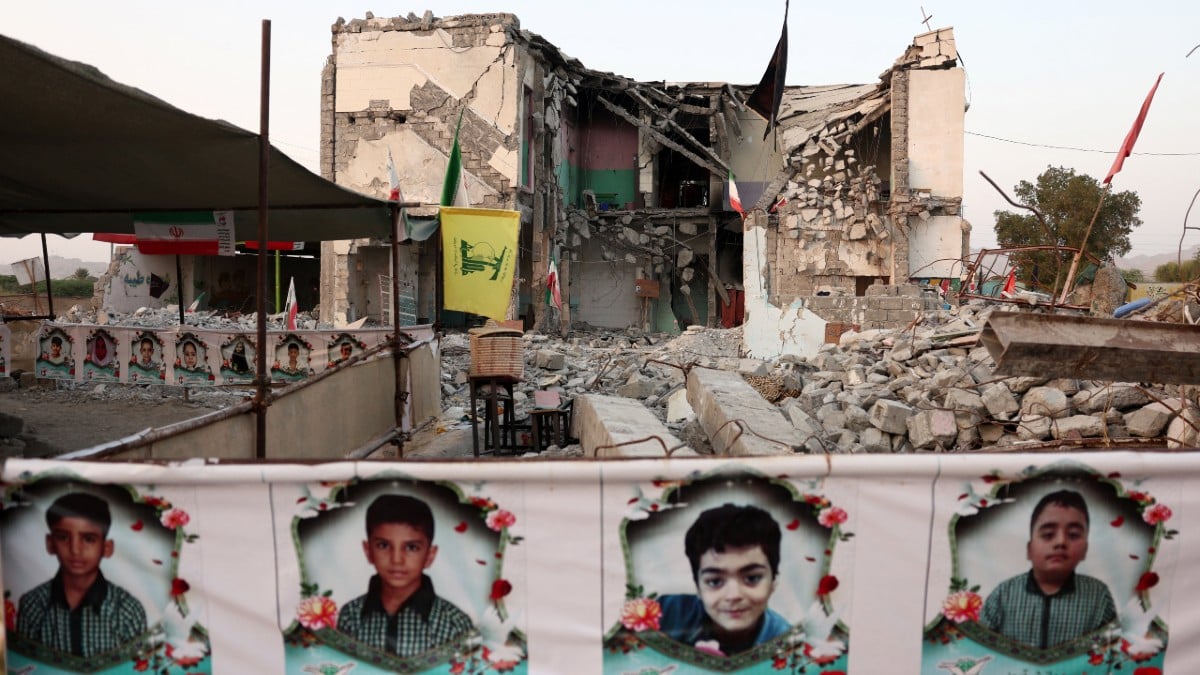
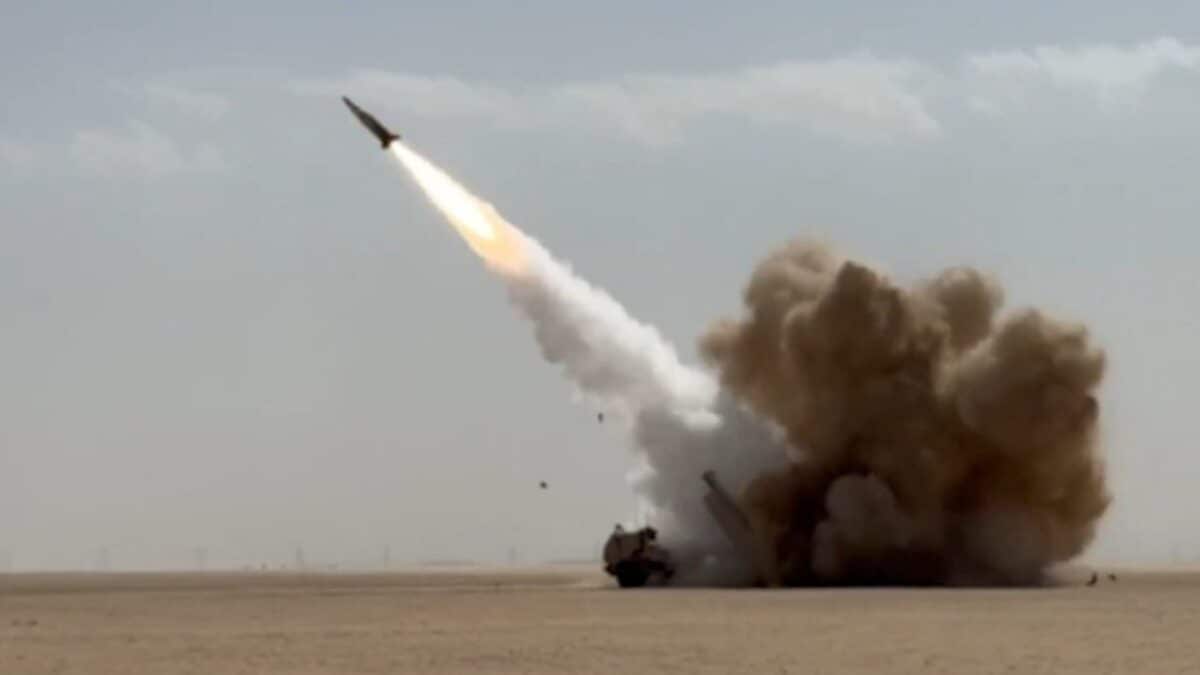
The United States attacked a location in Minab, Iran, on February 28.
The attack hit a school and reportedly killed 123 children.
Officials said the military had old satellite pictures that did not show the school.
The location had also been changed years earlier to separate the school from a military base.
An analyst noticed some of these changes, but the information did not reach the main targeting system.
A computer system called Maven helped identify the site as a military target.
Investigators said people trusted the computer too much and had too little time to check its conclusion.
They also pointed to fewer staff members whose job was to help prevent harm to civilians.

A Pentagon investigation linked the February 28 strike on Minab’s Shajarah Tayyebeh Elementary School to outdated intelligence, flawed classification and excessive reliance on artificial intelligence.
The strike killed 123 children, according to officials involved in the internal investigation.
Satellite imagery used for targeting was reportedly seven years old and failed to show the school or later changes separating it from a military site.
An analyst identified changes at the location in 2019, but the information was not connected to the primary military intelligence database.
The investigation cited compressed targeting timelines, staffing cuts to civilian-harm teams and overreliance on Palantir’s Maven Smart System as preventable failures.
- Who
- United States military personnel and Pentagon investigators; the victims were students at Shajarah Tayyebeh Elementary School.
- What
- A US missile strike hit the school, reportedly killing 123 children; investigators attributed it to a cascade of preventable intelligence, targeting and oversight failures.
- Where
- Shajarah Tayyebeh Elementary School in Minab, Iran.
- When
- February 28, during a large US aerial assault on Iran.
- Why
- The site had been misclassified as an Islamic Revolutionary Guard Corps military facility, while outdated imagery, disconnected intelligence, compressed timelines and excessive reliance on artificial intelligence contributed to the targeting error.
Investigators’ Findings
Reported Operational Rationale
Role of artificial intelligence
Investigators’ Findings
Officials involved in the investigation said personnel over-relied on and over-trusted the Maven Smart System, which helped classify the site as a military target.
Reported Operational Rationale
The operation used Maven to compress a traditionally lengthy, multi-stage targeting process into minutes as officials rushed to identify targets before Iran could respond.
Responsibility for the strike
Investigators’ Findings
The investigation described a cascade of preventable failures, including outdated imagery, a missed intelligence update, staffing cuts and insufficient human review.
Reported Operational Rationale
Officials responsible for the operation expected Maven to identify outdated information or inconsistencies, but the system did not flag them; the articles do not report a separate public defense from the Pentagon.
Key facts
- Reported death toll
- 123 children
- Strike date
- February 28
- Initial assault scale
- More than 1,000 targets were struck within the first 24 hours, according to officials.
- Imagery age
- The satellite imagery used in the operation was reportedly seven years old.
- Site changes
- Walls and entrances separating the school from the military base were built in 2017, while other school-related features appeared in 2018.
- Unconnected warning
- A US intelligence analyst reportedly identified changes at the site in 2019, but the information was not connected to the primary military intelligence database.
- Civilian-harm staffing
- The report said civilian-harm mitigation staffing was cut by about 90 percent, with the relevant Central Command team reduced from 10 people to one.
Sources
Related news

UN probe flags possible US war crimes in Iran

UN Probe Accuses US of War Crimes, Tehran of Crimes

United Nations Experts Cite Possible United States War Crimes
Faulty AI Intelligence Report Nearly Triggered US-China Confrontation
US Munition Likely Hit Iranian Wedding, Weapons Experts Say