2 hrs ago
Investor Disables Reels and Shorts After Eye-Opening Experiment
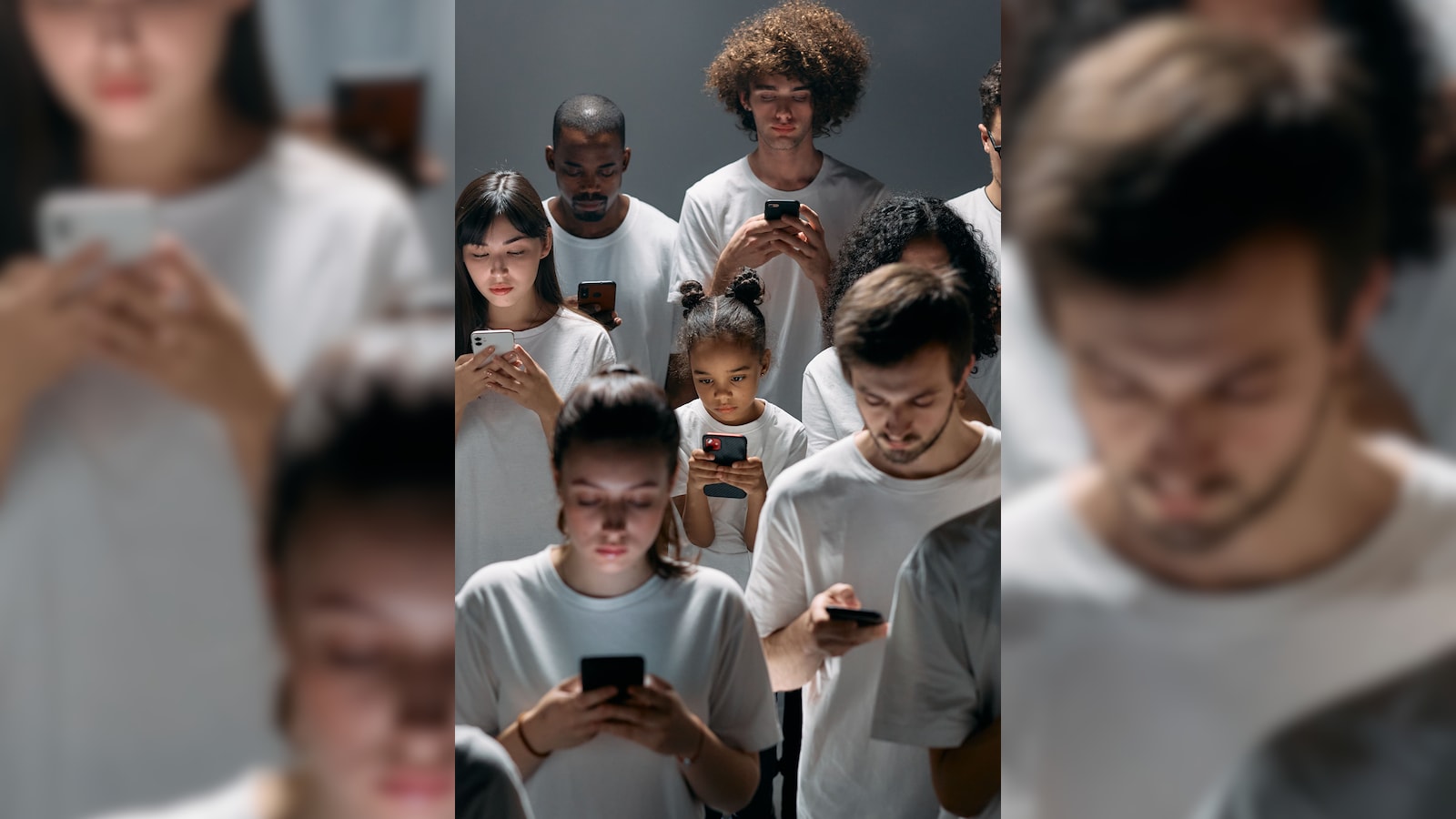
Sparsh Sehgal stopped watching Instagram Reels and YouTube Shorts on his phone.
He did this after noticing that reading felt harder after a long break.
For three days, he avoided short videos but could still use Instagram for messages.
He noticed that he usually watched videos whenever he was bored, even for a few seconds.
Sometimes he opened Instagram and tried to watch Reels without thinking.
He replaced short videos with longer shows and still had other ways to enjoy entertainment.
He also worried that people might miss jokes and trends if they stop watching short videos.
Sehgal said these apps can also affect what people buy, where they go and what they think, especially children.

Investor Sparsh Sehgal disabled Instagram Reels and YouTube Shorts after noticing his attention span felt shorter following a three-month break from reading.
After three days without short-form videos, Sehgal said he recognized how often scrolling filled brief moments of boredom.
He described automatically trying to open Reels and feeling uneasy when idle, suggesting the habit had become deeply routine for him.
Sehgal replaced Reels with long-form entertainment and said he found short videos unnecessary, though he worried about missing shared online trends.
He also argued that Reels influence product and venue discovery, consumption habits, moods and opinions, and urged caution about children’s exposure.
- Who
- Investor Sparsh Sehgal.
- What
- He disabled Instagram Reels and YouTube Shorts on his phone and described what he learned about his short-form video habits.
- Where
- On his phone and in a long post on X.
- When
- He reported his observations after three days without Reels and Shorts, following a three-month break from reading.
- Why
- He wanted to examine his shortened attention span and understand his dependence on short-form content.
Key facts
- Person
- Sparsh Sehgal
- Experiment duration
- Three days without Instagram Reels and YouTube Shorts
- Initial concern
- Sehgal felt his attention span had shortened after a three-month break from reading.
- Replacement activity
- He watched long-form entertainment, including stand-ups and sitcoms.
- Social concern
- He said avoiding short-form trends could leave people without shared jokes and cultural references.
- Discovery role
- He described Reels as a way to discover products, restaurants, cafes, apps and activities.
- Child-safety warning
- He urged people to protect children from short-form content because of its possible effects during formative years.
Quotes
Sparsh Sehgal
Investor who conducted the short-form-content experiment
“I also realized how unnecessary watching reels is, there is no redeeming quality. I watched them for the memes, aka entertainment, but I replaced it with watching long-form entertainment such as stand-ups and sitcoms. Some boredom, yes, but no lack of entertainment per se.”
 NDTV
NDTV
“Reels are not just a stimulus; they are also a de-facto search engine where the algorithm already knows what you want to search for and shows it to you preemptively. We are dependent on them not just for mental stimulus but also for discoverability of almost everything.”
NDTV
Sources
Related news

Study Links Enjoyable Reels Viewing to Reduced Focus-Related Brain Activity

India’s Poetry Moves From Literary Circles to Social Reels

Microdrama Emerges as Mainstream Entertainment Format in India: Report

Arjan Bajwa Warns Social Media Addiction Is Hurting Attention Spans

YouTube Revamps Public View Counts Starting August 24

YouTube Changes How It Counts Public Video Views

How to Dress Maharashtrian for Ganesh Chaturthi 2026
Bruce Springsteen brings political 2026 tour finale to YouTube streaming

US Challenges UK Plan to Promote 'Trustworthy' News Online

Pasoori Becomes First Made-in-Pakistan Video To Reach One Billion