2 hrs ago
Lightning Damages IndiGo Jet’s Nose, Passengers Land Safely

An IndiGo plane was flying from Patna to Lucknow when lightning hit it during bad weather.
The plane was carrying 104 passengers and six crew members.
The lightning damaged and crushed part of the plane’s nose, called the radome.
The plane still landed safely in Lucknow, and nobody was reported hurt.
Most of an airplane’s outer body helps guide electricity around the outside instead of through the cabin.
The nose is made differently so its weather radar can work, which makes it more vulnerable to damage.
After landing, the plane was taken out of service for checks and repairs.
The aviation regulator opened an investigation, and the passengers were moved to another flight bound for Ahmedabad.

An IndiGo flight from Patna to Lucknow, carrying 104 passengers and six crew, was struck by lightning at 17,000 feet.
The strike crushed the aircraft’s nose cone, or radome, as it descended through severe weather.
The aircraft landed safely at Chaudhary Charan Singh International Airport in Lucknow, with no injuries reported.
Airliners use conductive outer layers and embedded copper mesh to route lightning around the cabin and out through static-discharge wicks.
The aircraft was grounded for inspections, and the Directorate General of Civil Aviation launched an investigation before it can return to service.
- Who
- An IndiGo flight carrying 104 passengers and six crew members.
- What
- Lightning struck the aircraft, crushing its nose cone; it landed safely with no injuries reported.
- Where
- At 17,000 feet during the flight from Patna to Lucknow; the aircraft landed at Chaudhary Charan Singh International Airport in Lucknow.
- When
- October 8, 2026, according to the article’s publication date; the exact time of the strike is not stated.
- Why
- The flight encountered a massive atmospheric electrical discharge while descending through severe weather.
Safety measures and response
Aircraft damage and vulnerability
Lightning protection
Safety measures and response
The article says the aircraft’s conductive outer skin and embedded copper mesh route electrical charge around the fuselage, helping protect passengers, fuel tanks and avionics.
Aircraft damage and vulnerability
The radome lacks the same continuous conductive layer because metal could block the weather radar, making the nose more vulnerable to local damage.
Aircraft status
Safety measures and response
The plane landed safely and no injuries were reported.
Aircraft damage and vulnerability
It was grounded for structural and electronic checks, and the regulator’s investigation must clear it before it returns to passenger service.
Key facts
- Airline
- IndiGo
- Route
- Patna to Lucknow
- People aboard
- 104 passengers and six crew members
- Reported altitude
- 17,000 feet
- Damage
- The radome, or nose cone, was crushed
- Landing
- Landed safely at Chaudhary Charan Singh International Airport; zero injuries reported
- After landing
- Aircraft grounded for checks; passengers transferred to a replacement flight bound for Ahmedabad
- Investigation
- The Directorate General of Civil Aviation launched an investigation
Sources
Related news

Lightning Damages IndiGo Flight, Which Lands Safely in Lucknow

Security Guard Killed as Gate Collapses at Nagpur Aviation Facility
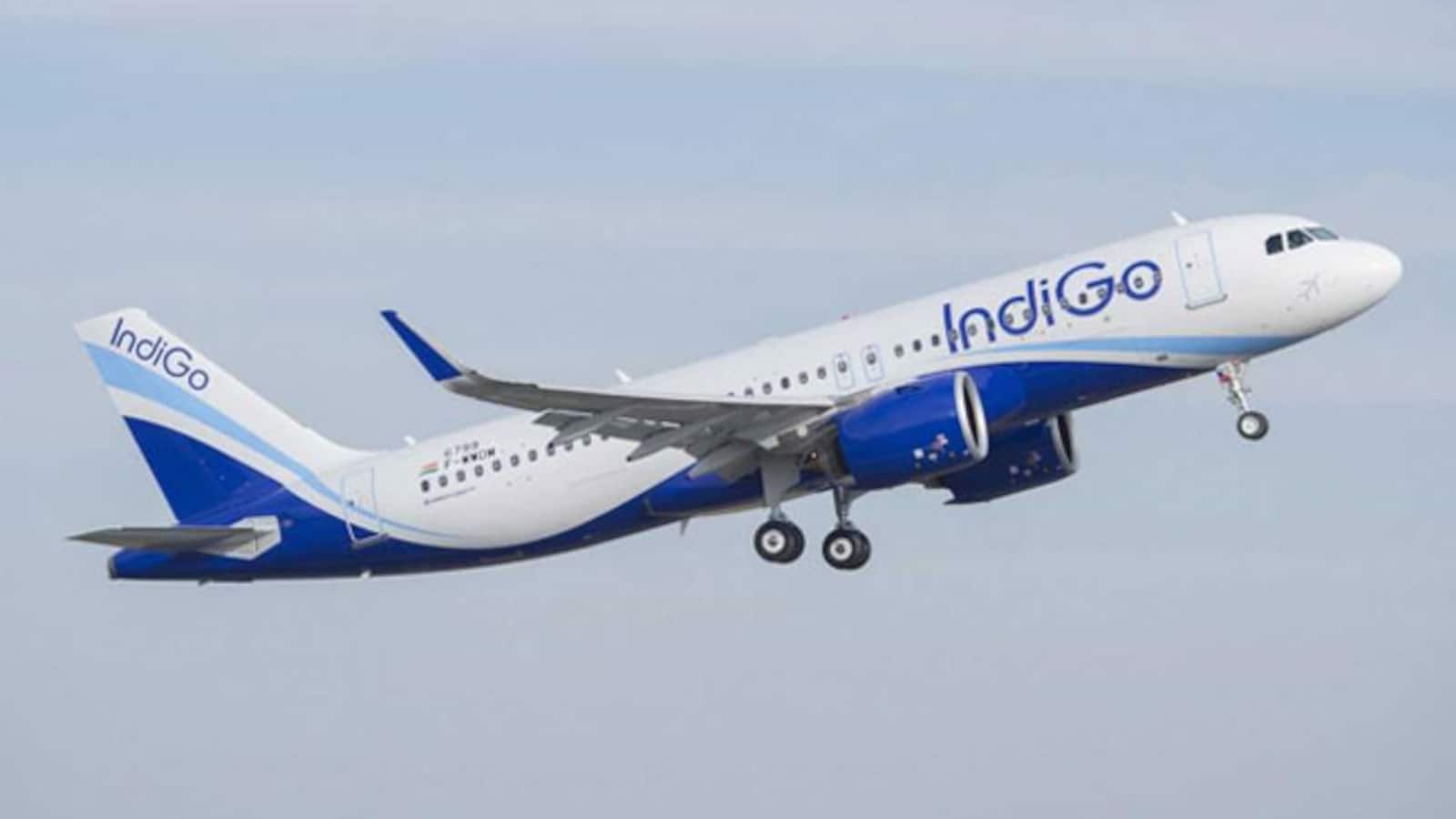
IndiGo Flight Diverted to Lucknow After Cargo Smoke Alert
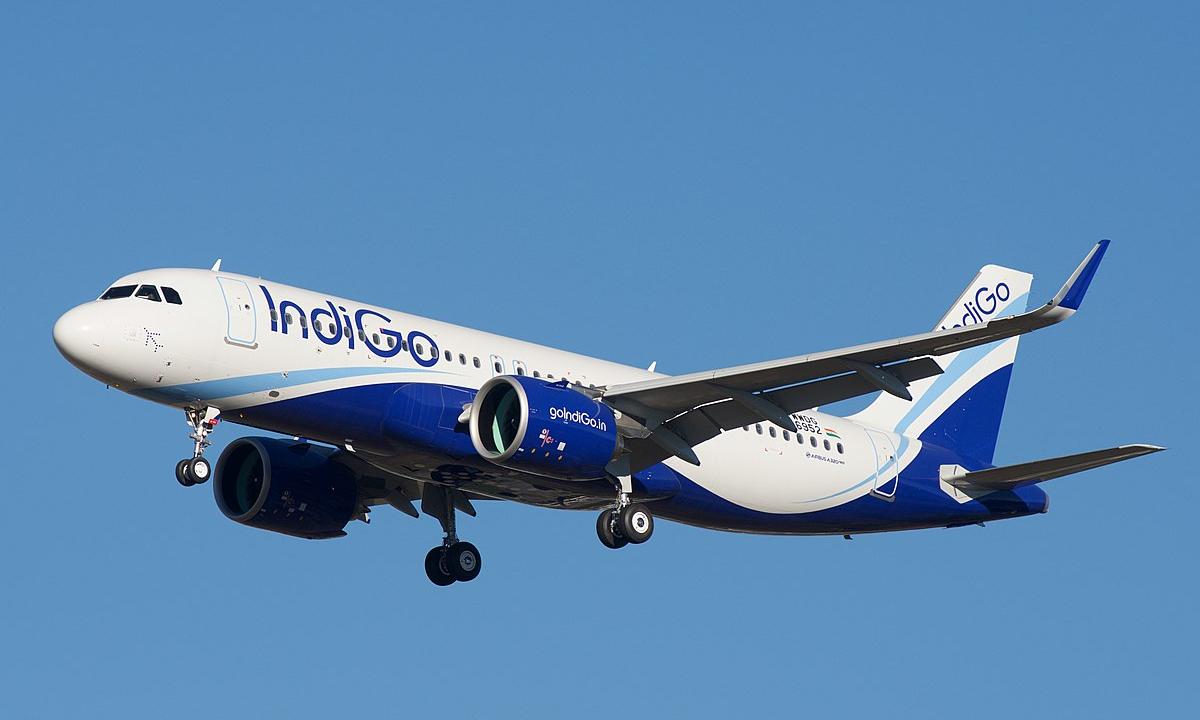
IndiGo Flight Suffers Bird Hit After Landing in Hyderabad

IndiGo Flight Lands Safely After Bird Strike Near Hyderabad

IndiGo Flight Suffers Tail Strike During Bengaluru Landing

Centre Pauses Mumbai Airport Plan to Cut International Flights

Bad Weather Diverts Varanasi-Bound Flights to Lucknow
Bharat Taxi Launch Expands Mobility Services Across Uttar Pradesh