

5 hrs ago
Mumbai Chawl Preserves Ganpati Festival’s 19th-Century Roots
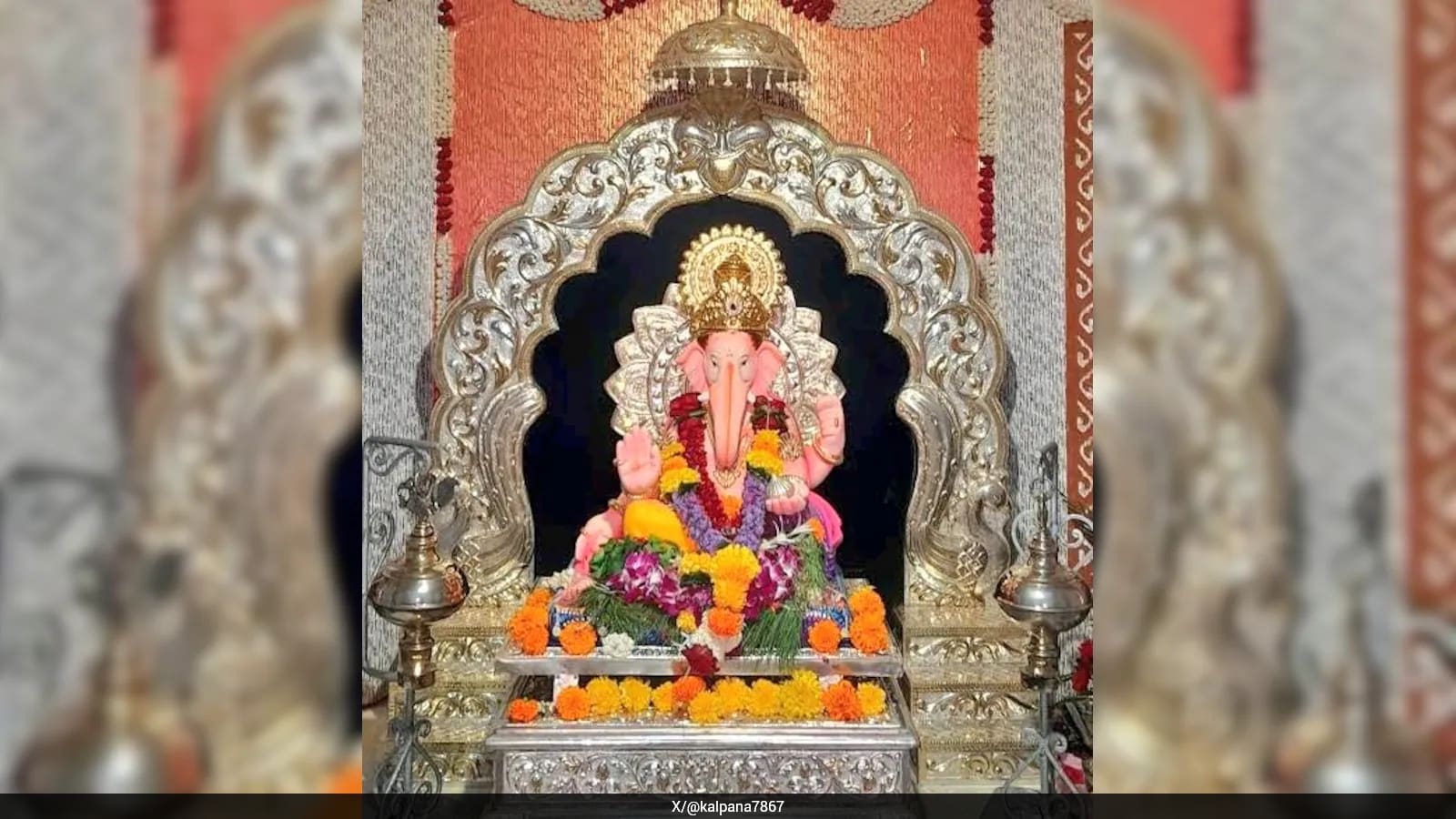
A special Ganpati celebration takes place in an old Mumbai chawl.
A chawl is a simple building where many families live close together and share facilities.
This chawl is called Keshavji Naik Chawl and is in Girgaon.
It is connected to the beginning of Mumbai’s public Ganpati festival in 1893.
Bal Gangadhar Tilak encouraged people to celebrate Ganpati together in public.
The festival still uses a small two-foot idol like the original one.
People carry the idol in a traditional palkhi instead of using a truck.
Dhols, tashas and manjiras provide the music.
Many former residents return because the celebration reminds them of their old home.

Keshavji Naik Chawl in Girgaon recreates Mumbai’s 19th-century atmosphere during its 10-day Ganpati celebrations.
The chawl is widely regarded as the birthplace of Mumbai’s public Ganpati festival, launched in 1893 after Bal Gangadhar Tilak’s call.
Residents preserve the original tradition with a two-foot idol carried in a palkhi and accompanied by dhols, tashas and manjiras.
The simple celebration contrasts with the commercialized Ganesh Utsav observed across much of Maharashtra.
Former residents return annually from distant suburbs, while history enthusiasts visit the surviving chawl for its cultural heritage.
- Who
- Residents and former residents of Keshavji Naik Chawl, along with visitors and history enthusiasts; Bal Gangadhar Tilak initiated the public-festival movement.
- What
- A 10-day Ganpati celebration preserves the traditions and atmosphere associated with Mumbai’s 1893 public Ganpati festival.
- Where
- Keshavji Naik Chawl in Girgaon, South Mumbai.
- When
- During the annual 10-day Ganpati celebrations; the public festival tradition dates to 1893.
- Why
- To continue the chawl’s historic festival traditions and preserve Mumbai’s cultural heritage.
Key facts
- Location
- Keshavji Naik Chawl, Girgaon, South Mumbai
- Festival duration
- 10 days
- Historical origin
- The Mumbai public celebration was organised in 1893 after Bal Gangadhar Tilak’s call.
- Idol
- A two-foot idol modelled on the original
- Procession
- The idol is carried to and from the pandal in a traditional palkhi.
- Music
- Traditional dhols, tashas and manjiras accompany the celebrations.
- Distinctive feature
- The celebration remains simple despite the broader commercialization of Ganesh Utsav.
Sources
Related news

Mumbai Cha Raja Showcases Maharashtra’s Saint Tradition Ahead Of 99th Festival
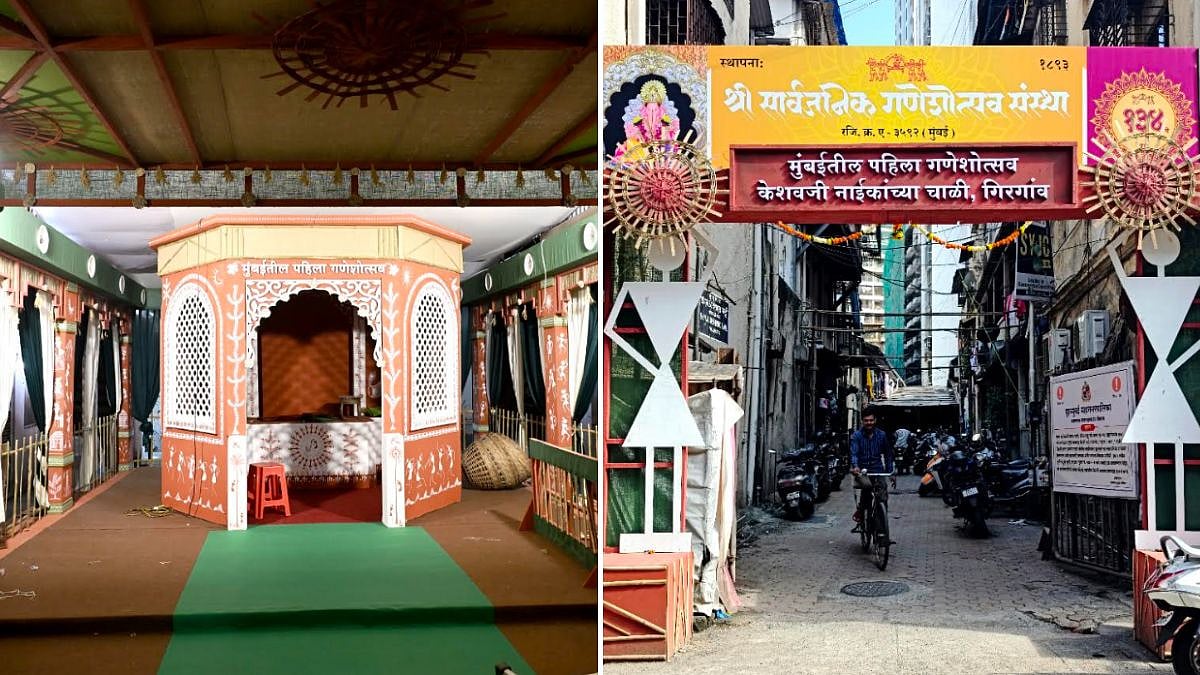
Mumbai Ganeshotsav Celebrates Warli Art Tradition at Historic Chawl
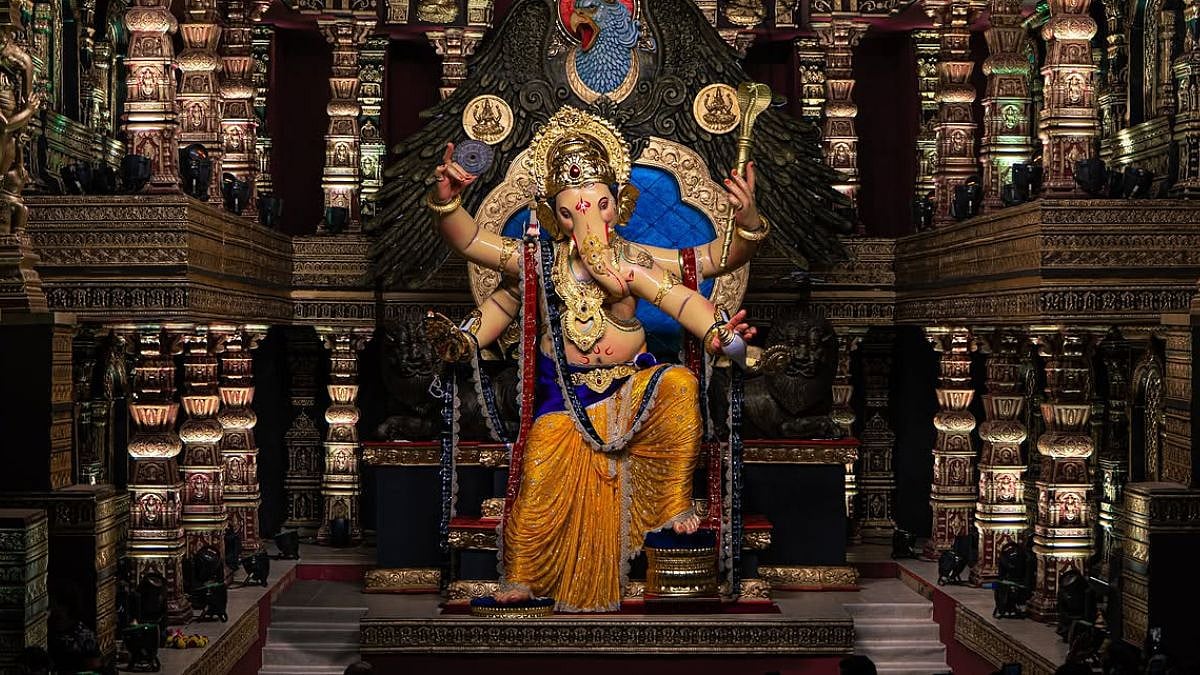
Mumbai’s 10 Iconic Ganpati Pandals To Visit In 2026
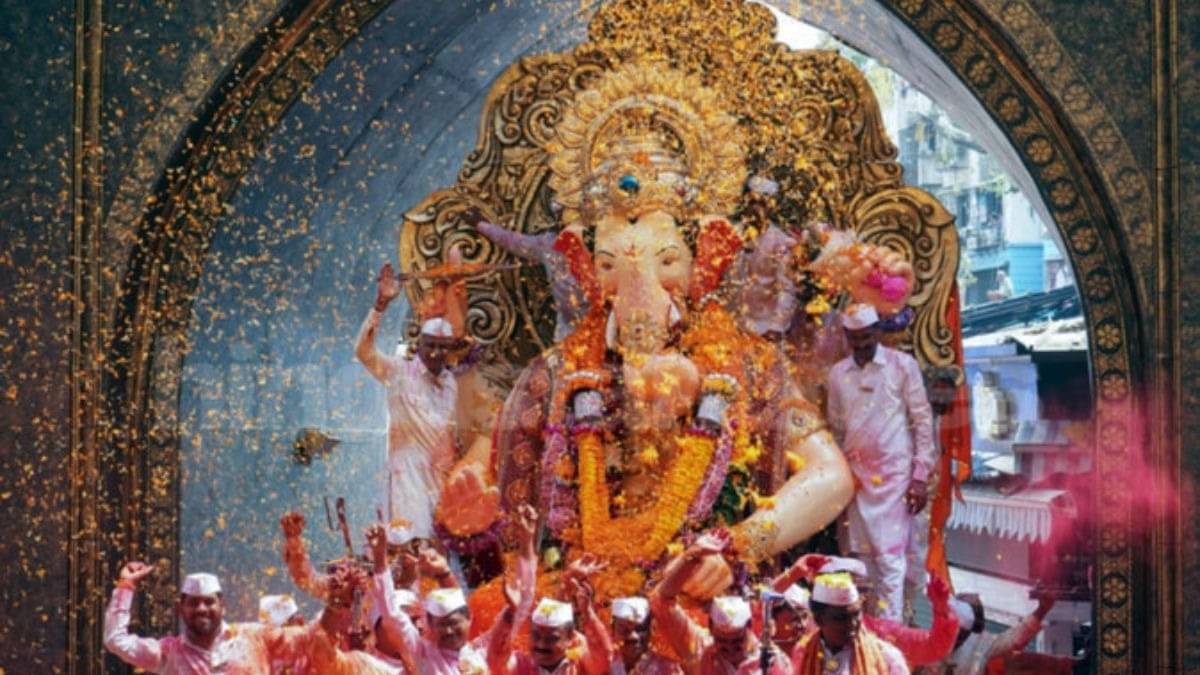
Chinchpokli Cha Chintamani Celebrates 107th Year With South Indian Theme
Miniature Girgaum Chowpatty Tableau Recreates Mumbai’s Ganpati Farewell
Famous Ganesh Chaturthi Pandals To Visit In Mumbai And Pune
Charity Commissioner Rejects Wilson School Redevelopment Plan
Orange Gate Tunnel Realigned to End at Girgaon

Mumbai Crime Branch Arrests Man in Fake Police Robbery
CSMT Traffic Drops 30% After Mumbai Metro Line 3
