

5 hrs ago
India’s Foreign Funding Bill Pits Sovereignty Against Safeguards

The article discusses a proposed Indian law about money sent to organizations from other countries.
Its author says India should know who sends the money, who receives it, and what it will be used for.
The author argues that foreign donations can help people but might also be used to influence politics.
Several Indian opposition parties and leaders have criticized the bill.
They worry that the government could gain too much control over organizations and their property.
The author compares the proposal with foreign-influence rules in the United States, Britain, and Australia.
However, the author also says the Indian government should not be allowed to act unfairly.
Organizations should receive notice, a chance to explain themselves, and the ability to appeal.
The main argument is that India should protect both national sovereignty and constitutional fairness.

The Foreign Contribution (Regulation) Amendment Bill, 2026 has drawn opposition from several Indian political parties and leaders.
The article argues India should be able to identify foreign donors, recipients, and the purposes of funding.
It compares India’s proposal with foreign-influence laws in the United States, Britain, and Australia.
Critics object that the bill could enable excessive government control and threaten civil society organizations.
The article supports foreign-funding scrutiny but calls for notice, hearings, proportionality, appeals, and judicial review.
- Who
- The Indian government, opposition parties and leaders, NGOs, and organizations receiving foreign contributions.
- What
- A debate over the Foreign Contribution (Regulation) Amendment Bill, 2026 and its proposed controls on foreign funding.
- Where
- India, with comparisons to foreign-influence laws in the United States, Britain, and Australia.
- When
- 2026, during debate over the proposed amendment bill.
- Why
- The bill is intended to increase scrutiny of foreign contributions and possible foreign influence, while critics fear excessive government control.
Supporters of foreign-funding scrutiny
Critics of expanded government control
Sovereignty and transparency
Supporters of foreign-funding scrutiny
India should know who sends money into the country, who receives it, and what its purpose is, because foreign funding can potentially support political influence.
Critics of expanded government control
Broad scrutiny may be used to restrict legitimate civil society work and could be presented as an attack on democracy or religious communities.
Treatment of foreign-funded assets
Supporters of foreign-funding scrutiny
Assets linked wholly or partly to foreign contributions should be subject to the bill’s statutory framework when an organization’s registration ends.
Critics of expanded government control
The proposed vesting of assets in a designated authority raises concerns, especially after non-renewal and where assets were only partly acquired with foreign funds.
Parliamentary response
Supporters of foreign-funding scrutiny
The opposition should focus on demanding procedural safeguards rather than rejecting sovereign oversight of foreign funding altogether.
Critics of expanded government control
Opposition parties and leaders have called the bill dangerous, sought its withdrawal or referral to a Joint Parliamentary Committee, and described it as a control regime.
Key facts
- Legislation
- Foreign Contribution (Regulation) Amendment Bill, 2026
- Central question
- Whether India should be able to track foreign donors, recipients, and funding purposes
- Criticism
- Opponents have called the bill dangerous, sought its withdrawal or review, and described it as excessive control
- Property provision
- The bill would allow foreign-funded contributions and assets created wholly or partly from them to vest in a designated authority when registration ceases, subject to the statutory scheme
- Safeguards requested
- Notice, hearing, proportionality, appeal, and judicial review
- International comparisons
- The article cites the United States Foreign Agents Registration Act, Britain’s Foreign Influence Registration Scheme, and Australia’s Foreign Influence Transparency Scheme
- Government position described
- The government has reportedly indicated willingness to soften aspects of the bill and not apply penal provisions retrospectively
Sources
Related news

FCRA NGOs Halve as Foreign Contributions Rise Over Decade
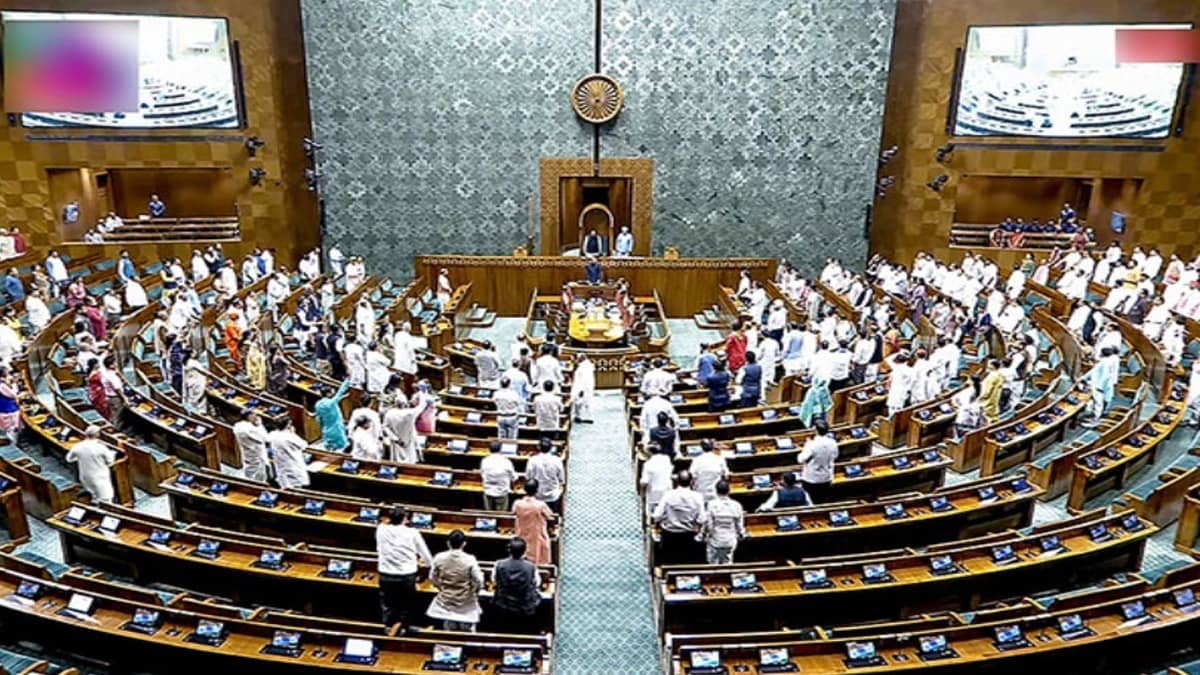
31-Member Panel to Examine Contentious FCRA Amendment Bill

JPC Examines FCRA Bill as BJP MP Arvind Thanks Leaders
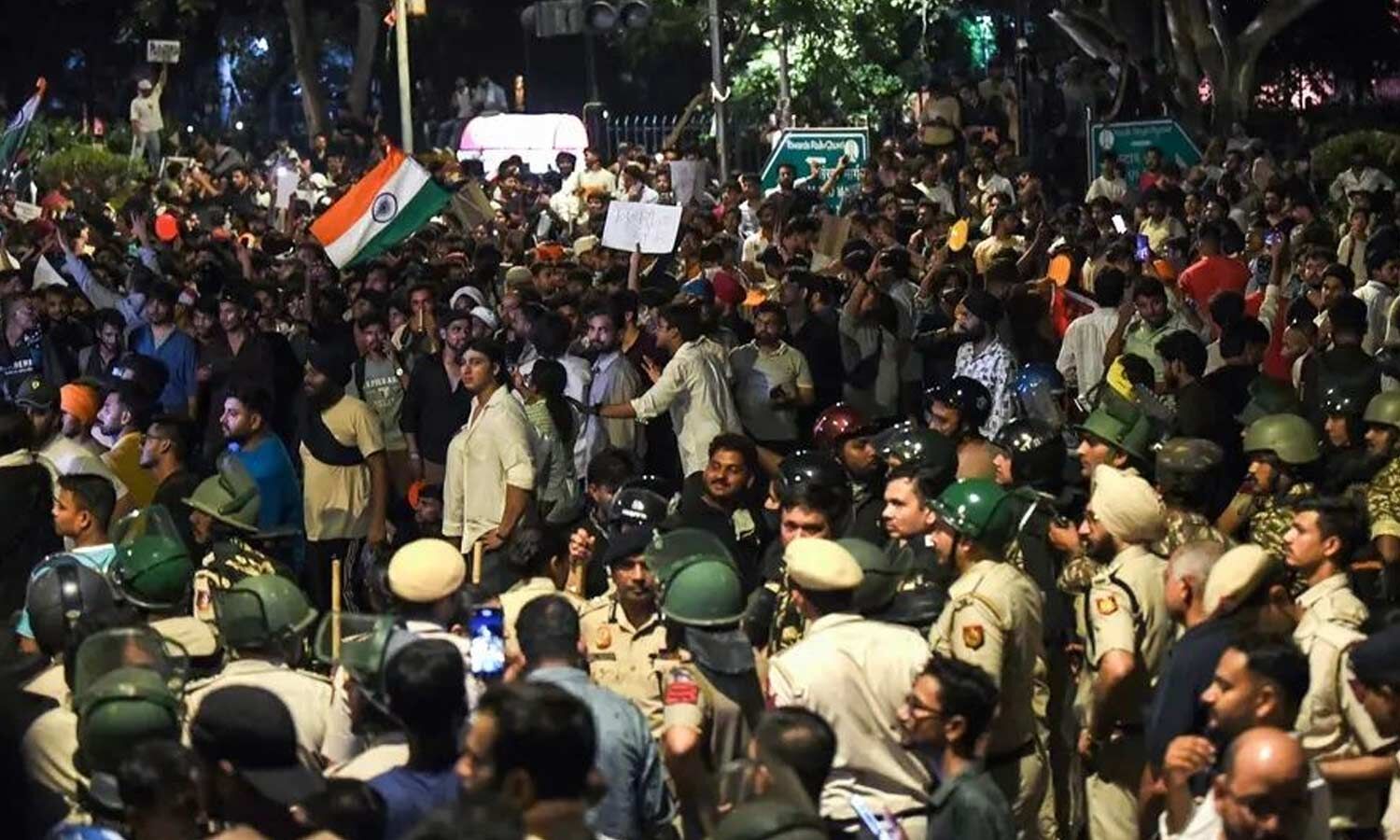
Government Probes Alleged Foreign Role in Student Protests

Bipartisan US Bill Targets Foreign-Paid Social-Media Influencers

Centre Rejects Foreign Pressure Claims Over New UPI Charges

India U-19 Defeat Australia to Seal Youth ODI Series

Powerful El Niño May Become Strongest on Record

Indian Man’s Journey From Pizza Delivery To Three Restaurants

Recharge Power Wins APEA Award as Revenue Surges