11 hrs ago
Purushartha Framework Seeks to Put Money in Its Place
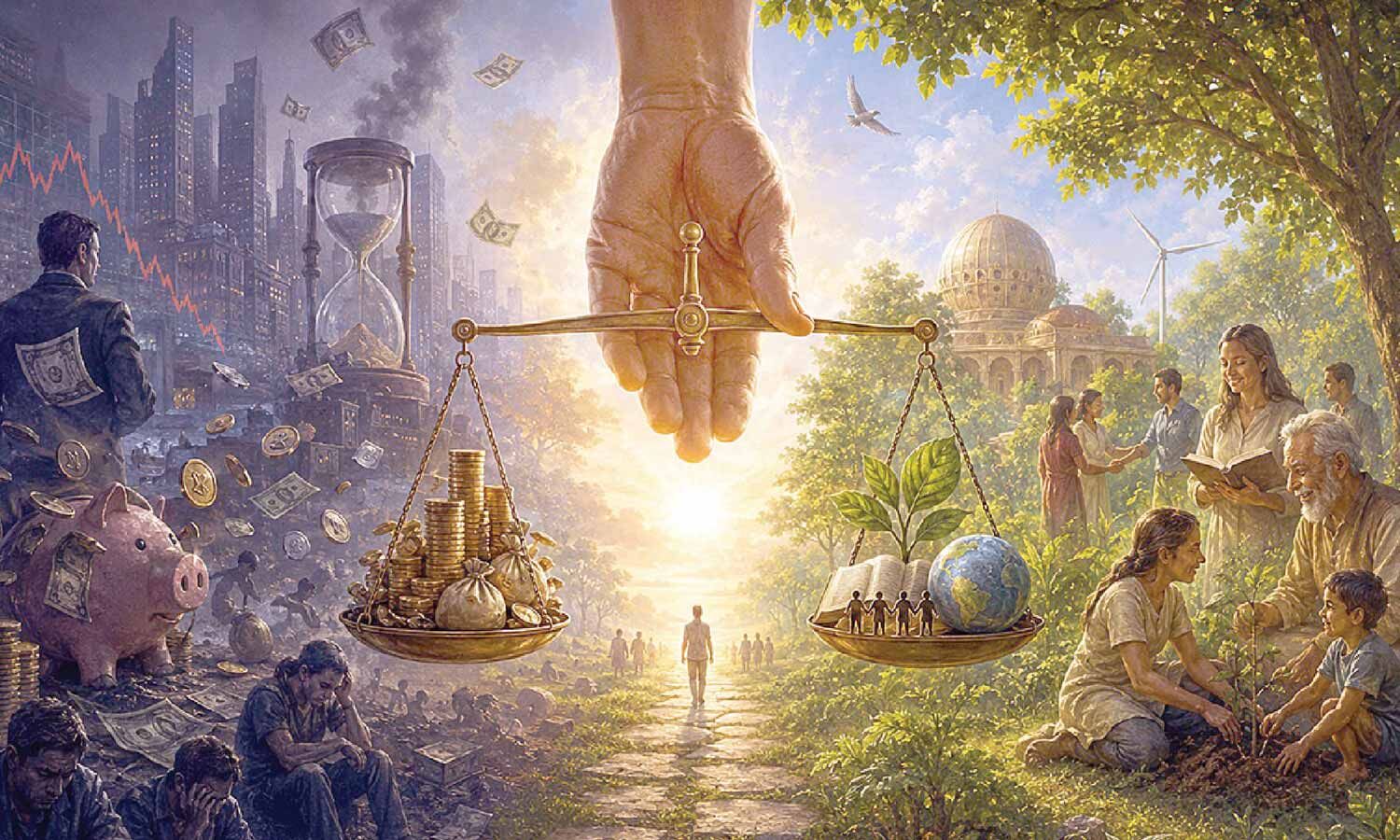
The essay says money is necessary for almost everything people do today.
But it warns that people often treat money as the most important measure of success.
This can encourage greed, unfairness, and the concentration of power among wealthy groups.
Poor choices about money can leave people without enough food, healthcare, education, or opportunities.
The author also says money can help solve problems when it is used to build useful services and infrastructure.
An ancient Indian idea called Purushartha describes four goals of life: Dharma, Artha, Kama, and Moksha.
In this framework, Artha means material well-being, but money is only a tool rather than the purpose of life.
The essay argues that money should serve people and the common good instead of controlling human values.
It points to India and Auroville as places where these ideas might be explored.

The essay argues that money is indispensable yet has become dangerously central to modern life.
It links money-centric societies to inequality, plutocracy, and structural violence that deprives people of basic opportunities.
The author says money can also convert empathy into life-saving infrastructure and improve human welfare.
The Purushartha philosophy places Artha, or material well-being, alongside Dharma, Kama, and Moksha rather than above them.
The proposed solution is a financial reformation that redirects money toward the common good, including through taxation, sharing, and responsible control.
- Who
- The essay concerns humanity, societies, wealthy power holders, and advocates of the Purushartha philosophy.
- What
- It presents a framework for changing how money is understood and used so that it serves ethical and social goals.
- Where
- The argument is global, with India and Auroville in Tamil Nadu presented as possible settings for applying its principles.
- When
- The discussion addresses contemporary society while drawing on ancient, nineteenth-century, and twentieth-century writings.
- Why
- The author argues that money has become overly powerful, worsening inequality and distorting human values, but could be redirected toward the common good.
Key facts
- Central paradox
- Money is described as both indispensable to improving the world and a source of serious social harm.
- Key framework
- Purushartha identifies Dharma, Artha, Kama, and Moksha as four interconnected pursuits of human fulfilment.
- Meaning of Artha
- Artha refers to material well-being; the essay says money should remain an instrument of Artha, not its ultimate end.
- Main social risk
- The concentration and misuse of wealth can produce structural violence by limiting access to food, healthcare, education, and economic opportunity.
- Proposed reform
- The author calls for changing where money flows, how it is taxed, and who controls it.
- Role of giving
- The essay presents sharing, intelligent giving, and circulation of wealth as ways to direct money toward the common good.
- Illustrative location
- Auroville, an experimental township in Tamil Nadu, is cited as a place where related principles are being put into practice.
Quotes
The Amritabindu Upanishad
Ancient Indian philosophical scripture cited in the article
“When men strive to obtain Artha through Dharma, then Dharma, Artha, and Kama exist together in unity.”
 thehansindia.com
“The mind alone is the cause of an individual’s bondage and liberation.”
thehansindia.com
Sources
Related news
Sridhar Vembu Says Profit-Driven Economics Creates a Dystopian World
Oren Shabat Laurent Advocates Stewardship Over Wealth Accumulation
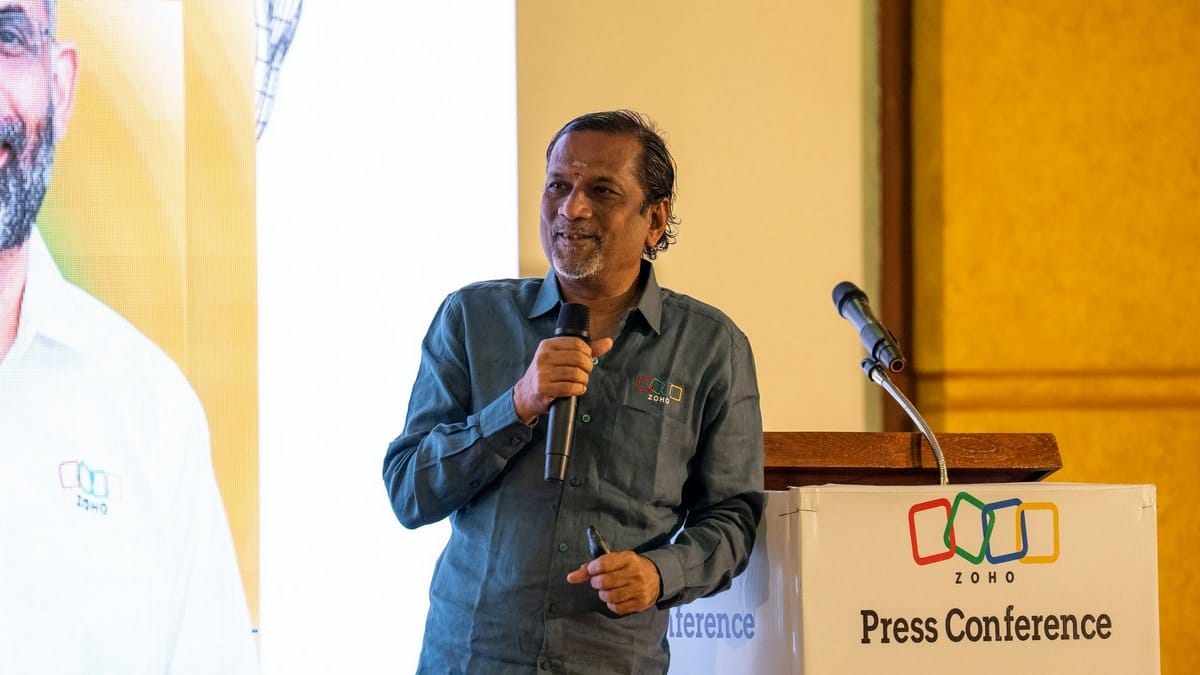
Sridhar Vembu urges profit-free purpose for essential professions
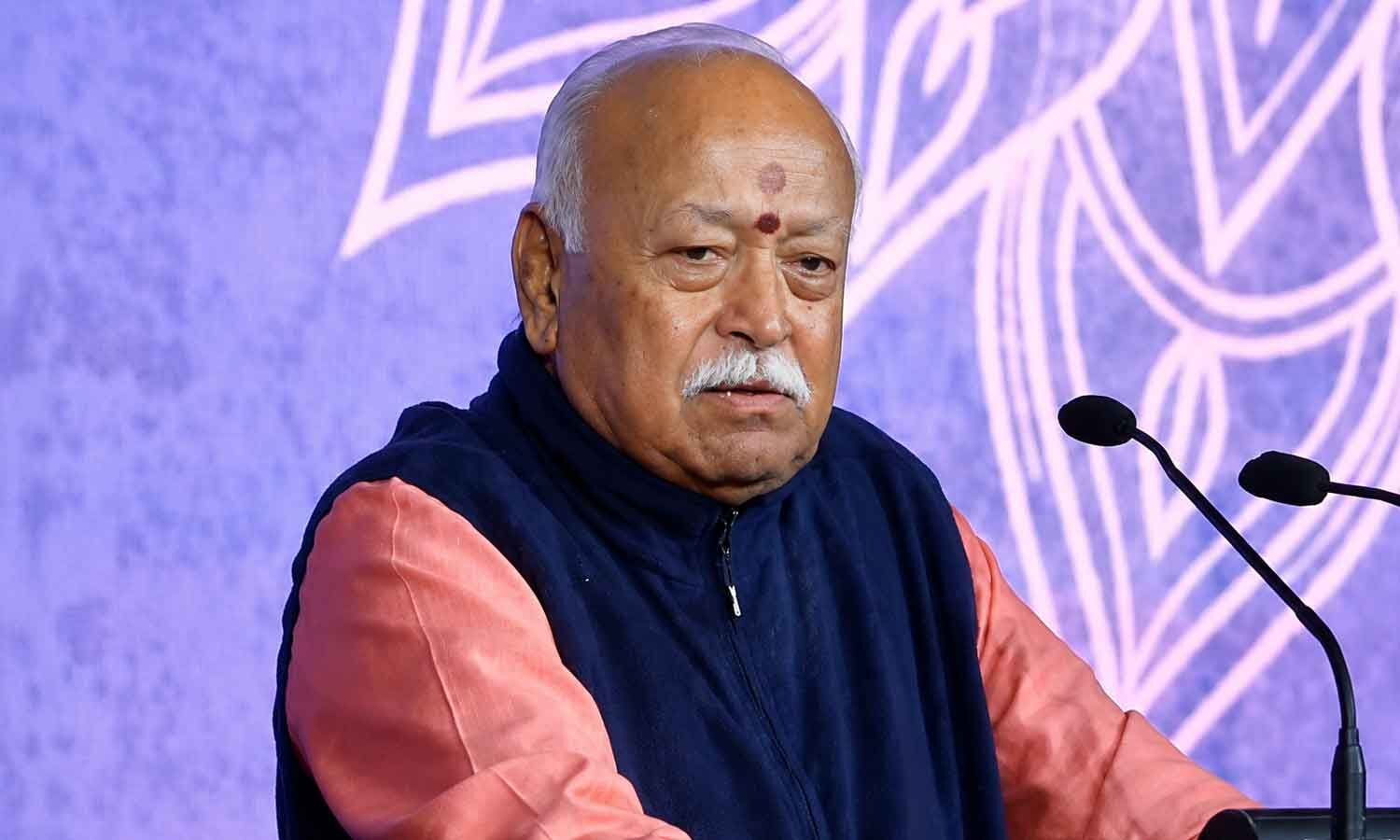
RSS Chief Mohan Bhagwat Presents Dharma as Universal Balance
Angmo Urges Government to Treat Education Protests as Wake-Up Call

Philosopher-poet Jernail Singh Anand releases essays on modernity's 'ethical blank'

Dafoe, Bailey And Dinklage Join Lincoln In The Bardo
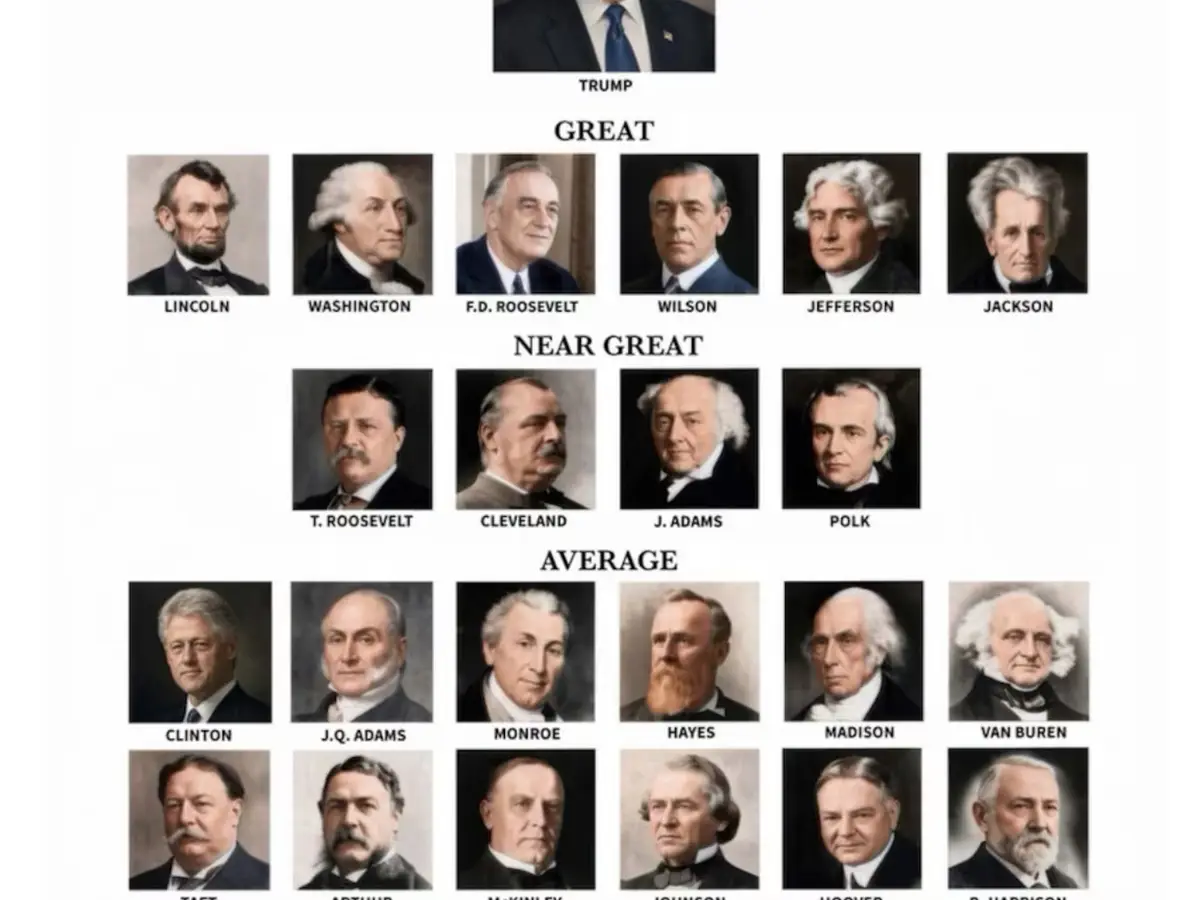
Trump Ranks Himself Above Washington and Lincoln as Greatest
Iran Releases Protest Death Toll

Philip Glass Withdraws Lincoln Symphony from Kennedy Center