

1 hr ago
IIT Madras, Spark Minda Partner to Scale Indigenous Prosthetic Knee
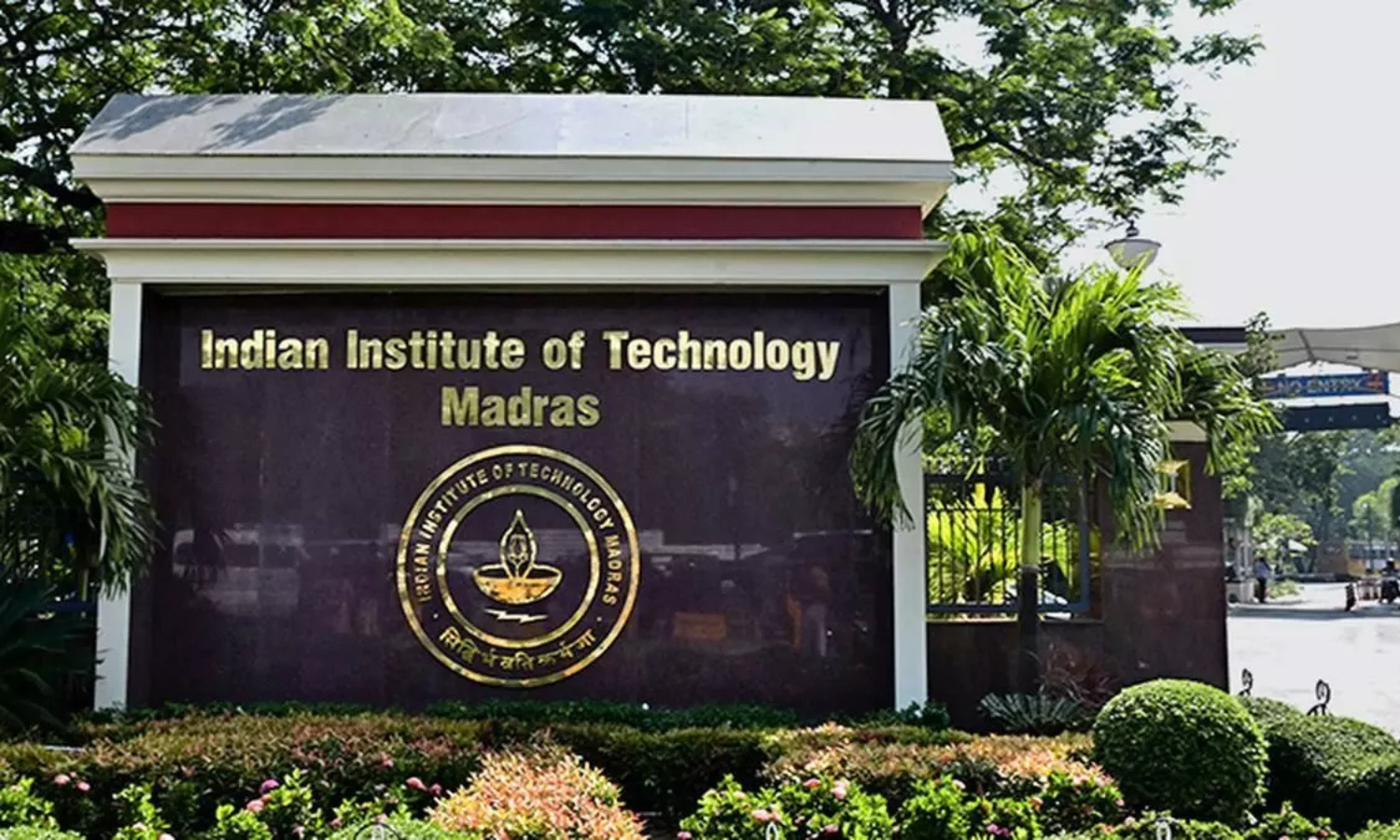
IIT Madras has developed a prosthetic knee called Kadam.
A prosthetic knee can help a person who has lost a leg walk more easily.
The knee is designed to help with movement, including on uneven ground.
Spark Minda Foundation has signed an agreement to help develop and produce it.
The foundation will also help take the technology to more people.
IIT Madras will contribute its research and engineering knowledge.
Spark Minda Foundation will contribute manufacturing, product development and outreach capabilities.
The partnership is part of a plan to provide 50,000 prosthetic limb fitments by 2030.
The groups say the project could help people with disabilities become more independent.

IIT Madras and Spark Minda Foundation signed a non-exclusive technology licensing agreement for the prosthetic knee Kadam.
Kadam was developed by researchers at IIT Madras to support mobility for people with limb loss, including on uneven terrain.
The partnership combines IIT Madras’s research expertise with SMF’s product development, manufacturing and outreach capabilities.
The collaboration aims to scale Kadam and make it accessible to more users.
The agreement supports SMF’s broader goal of achieving 50,000 indigenous prosthetic limb fitments by 2030.
- Who
- IIT Madras and Spark Minda Foundation, the CSR arm of Spark Minda.
- What
- They signed a non-exclusive technology licensing agreement to scale Kadam, an indigenous prosthetic knee developed at IIT Madras.
- Where
- The agreement involves IIT Madras and Spark Minda Foundation; the announcement was made in Chennai.
- When
- The report does not specify a date.
- Why
- To transfer, develop and expand access to Kadam for people with limb loss, while supporting SMF’s goal of 50,000 prosthetic limb fitments by 2030.
Key facts
- Technology
- Kadam, an indigenous prosthetic knee
- Agreement
- Non-exclusive technology licensing agreement
- IIT Madras lead
- Prof. Sujatha Srinivasan
- Industry partner
- Spark Minda Foundation
- Planned fitments
- 50,000 prosthetic limb fitments by 2030
- Intended benefit
- Improved mobility and greater independence for people with limb loss
Sources
Related news
Teenager With Disability Secures IIT Madras Data Science Admission
Disability Does Not Stop Student From Securing IIT Madras Seat

Safdarjung Hospital Performs First Robot-Assisted Total Knee Replacement
IIT Hyderabad, Kaynes Semicon Partner on Chip Research

SRV Hospitals Launches Robotic-Assisted Joint Replacement Centre In Chembur
Karnataka Innovators Reach Samsung Solve for Tomorrow Top 40
