2 weeks ago
Fallen Moai Offer Lessons About Easter Island’s Environmental Collapse
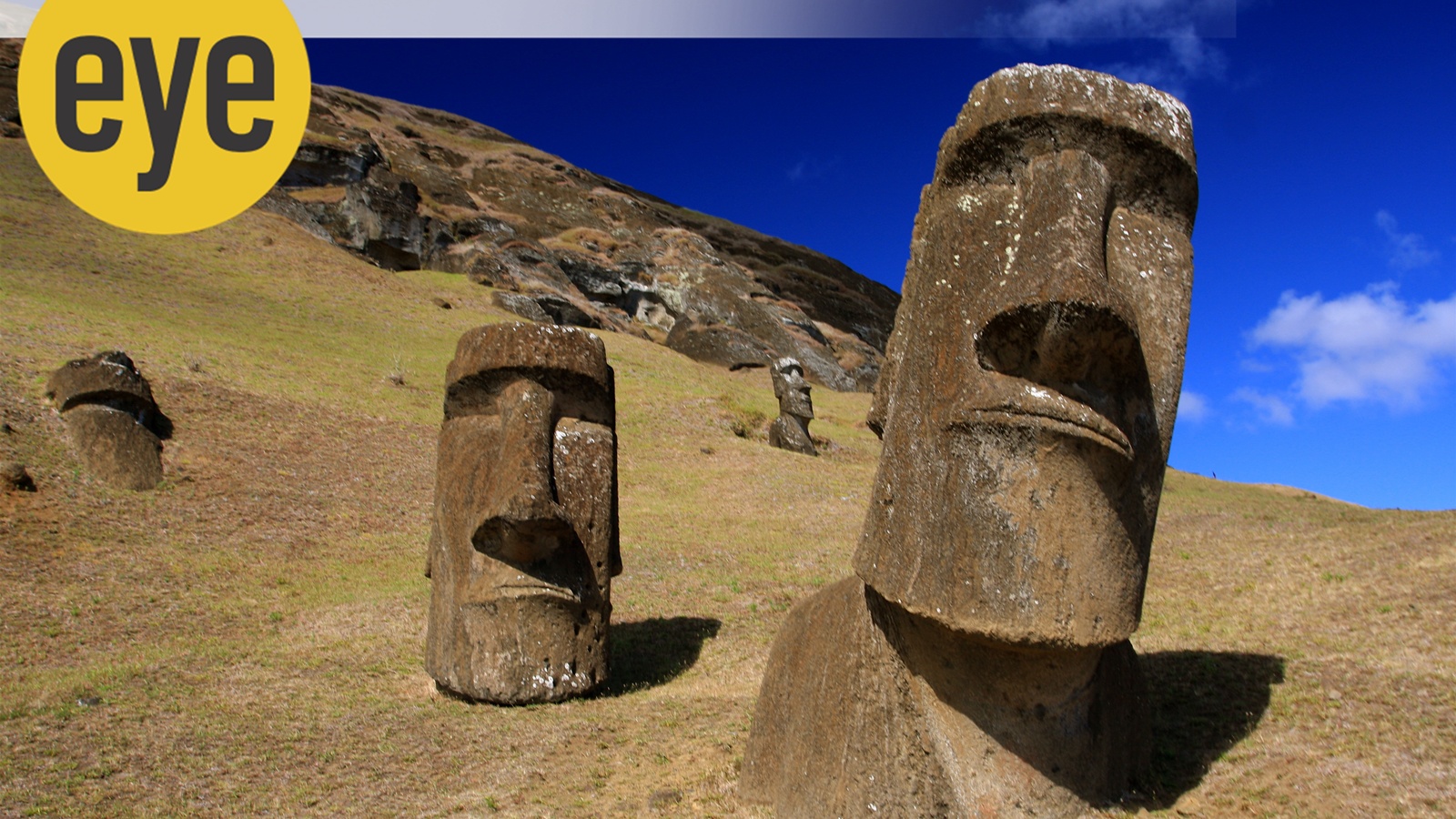
Easter Island is a remote island known for its giant stone statues, called moai.
Polynesian people settled there around the first millennium.
At first, the island had many trees and birds.
As the population grew, people competed more for resources.
One controversial theory says that cutting down trees to move the statues helped damage the environment.
Soil eroded, crops suffered, and many trees and birds disappeared.
Without enough wood, people may have struggled to build boats for fishing and seabird hunting.
Rats, hunting and fishing may have added to the damage.
Researchers disagree about exactly what happened, but the story is often used as a warning about environmental destruction.

Easter Island, also called Rapa Nui, is home to nearly 1,000 massive stone moai.
Polynesians settled the island around the first millennium, when it had abundant trees and seabirds.
A controversial hypothesis links the society’s collapse to deforestation, soil erosion, overhunting, overfishing and invasive Polynesian rats.
Loss of trees may have prevented residents from building boats to fish and hunt seabirds.
The population is conjectured to have fallen from about 15,000 to between 2,000 and 3,000 before European arrival in 1772.
- Who
- Polynesian settlers and the island’s two competing tribes; Jared Diamond proposed the Ecocide Hypothesis.
- What
- A society on Easter Island experienced population decline and collapse amid major environmental changes, according to several theories.
- Where
- Easter Island, also known as Rapa Nui, in the south-east Pacific, about 3,500 km off Chile’s western coast.
- When
- Polynesians settled the island around the first millennium; the population decline is conjectured to have occurred before the first European settlers arrived in 1772, particularly between the mid-1600s and 1772.
- Why
- Proposed causes include deforestation, soil erosion, crop loss, invasive Polynesian rats, overhunting, overfishing and competition for resources.
Key facts
- Location
- Easter Island, or Rapa Nui, lies about 3,500 km off Chile’s western coast.
- Statues
- The island has nearly 1,000 massive stone figurines called moai.
- Early environment
- At settlement, the island had a wide variety of trees and birds, especially seabirds.
- Proposed mechanism
- The Ecocide Hypothesis argues that wooden rollers used to move statues contributed to massive deforestation.
- Environmental effects
- The article links deforestation to soil erosion, crop loss and the disappearance of trees and birds.
- Population estimate
- The population is conjectured to have dropped from about 15,000 to between 2,000 and 3,000.
- European arrival
- The first European settlers arrived in 1772, according to the article.
Sources
Related news
Thousands of Coins Damage Ireland’s Giant’s Causeway
Great Nicobar Lighthouse Study Accused Of Listing Fake Species

Usha Soolapani Leads India’s Revival of Forgotten Rice

Jadav Payeng Turns a Barren Sandbar Into Forest
Tagore’s 1938 Warning About Forest Destruction Still Resonates