

3 weeks ago
Kakodkar-led panel to examine Pune-Nashik rail route's GMRT impact
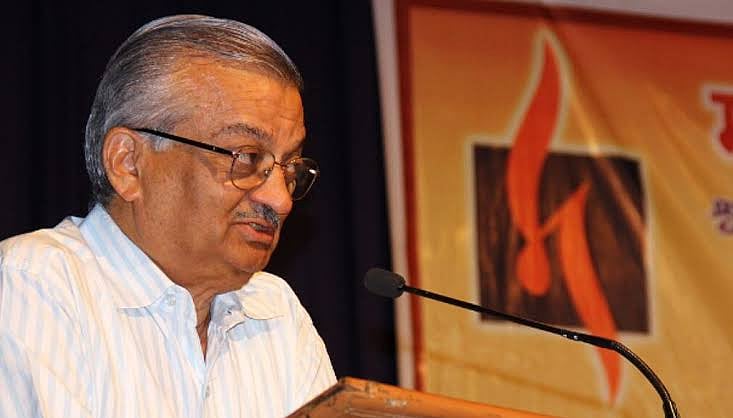
There is a giant telescope near Pune in India that listens to radio waves coming from space.
It is called the Giant Metrewave Radio Telescope, or GMRT for short.
The government wants to build a very fast train between the cities of Pune and Nashik.
Electric signals from the train could disturb the telescope and make it hard for scientists to study the universe.
Scientists and government agencies worried about this interference.
So the government set up a team of experts to study the problem.
The team is led by a famous scientist named Dr. Anil Kakodkar.
The experts will check if the train route can be changed or built in a safer way, for example using tunnels, raised tracks, or a different path.
The team has 60 days to give its advice to the government.

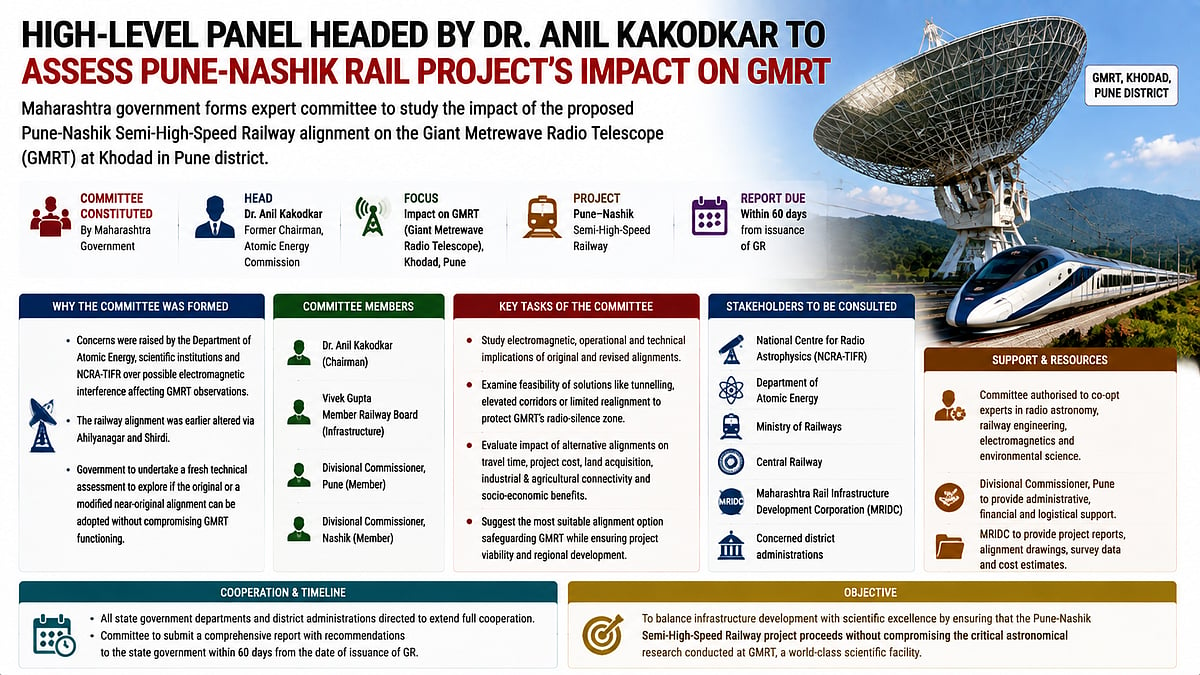
The Maharashtra government has formed a high-level expert committee chaired by former Atomic Energy Commission Chairman Dr. Anil Kakodkar.
The committee will study the electromagnetic, operational and technical impact of the proposed Pune-Nashik Semi-High-Speed Railway on the GMRT telescope at Khodad.
Concerns about electromagnetic interference were raised by the Department of Atomic Energy, scientific institutions and NCRA-TIFR.
The four-member panel also includes Railway Board Member (Infrastructure) Vivek Gupta and the divisional commissioners of Pune and Nashik.
The committee may explore solutions such as tunnelling, elevated corridors or limited realignment and must submit its report within 60 days.
- Who
- A four-member expert committee chaired by Dr. Anil Kakodkar, comprising Railway Board Member (Infrastructure) Vivek Gupta and the divisional commissioners of Pune and Nashik.
- What
- Examining the impact of the proposed Pune-Nashik Semi-High-Speed Railway alignment on the operations of the GMRT telescope at Khodad, including options such as tunnels, elevated corridors and limited realignment.
- Where
- Maharashtra, India — the GMRT is located at Khodad in Pune district, and the railway line would connect Pune and Nashik.
- When
- The Government Resolution was issued by the Transport Department on August 5, 2026; the report is due within 60 days.
- Why
- To balance scientific interests with development and determine whether the original or a modified alignment can be adopted without compromising the GMRT's sensitive radio observations.
Protect GMRT science
Advance railway connectivity
Electromagnetic interference risk
Protect GMRT science
The Department of Atomic Energy, scientific institutions and NCRA-TIFR warn that electromagnetic interference could disrupt the GMRT's highly sensitive astronomical observations.
Advance railway connectivity
The railway project aims to deliver faster travel and socio-economic benefits, so travel time, project cost, land acquisition and connectivity advantages must also be weighed.
Choosing the alignment
Protect GMRT science
The revised route via Ahilyanagar and Shirdi was chosen to protect the telescope, and engineering fixes such as tunnelling or elevated corridors should be explored.
Advance railway connectivity
The original or a modified near-original alignment should be reconsidered if it can be adopted without compromising the telescope, as it may improve travel time and reduce costs.
Key facts
- Committee
- High-level expert committee (four members)
- Chairman
- Dr. Anil Kakodkar
- Telescope
- Giant Metrewave Radio Telescope (GMRT)
- Location
- Khodad, Pune district, Maharashtra
- Railway project
- Pune-Nashik Semi-High-Speed Railway
- Revised route
- Via Ahilyanagar and Shirdi
- Government Resolution date
- August 5, 2026
- Report deadline
- Within 60 days of the Government Resolution
Sources
Related news
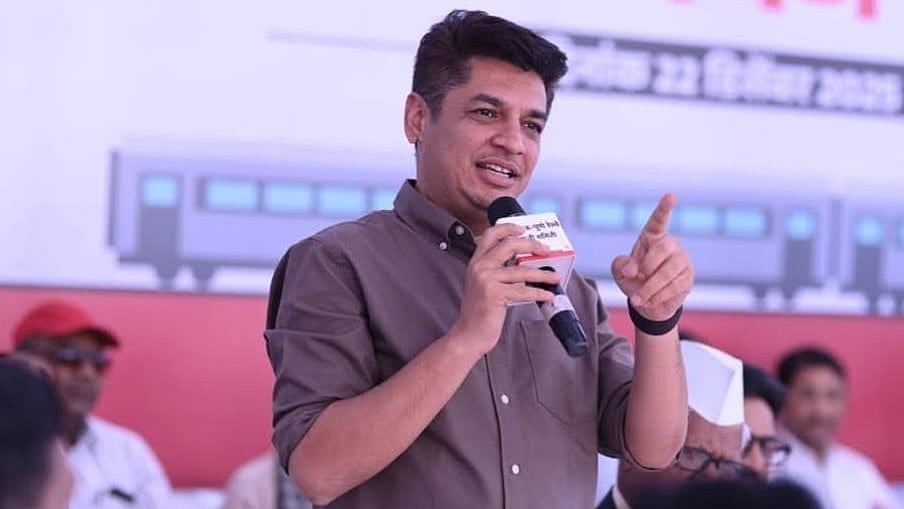
Tambe Presses Government for Direct Pune-Nashik Rail Route
MLA Satyajeet Tambe Detained During Nashik-Pune Railway Protest
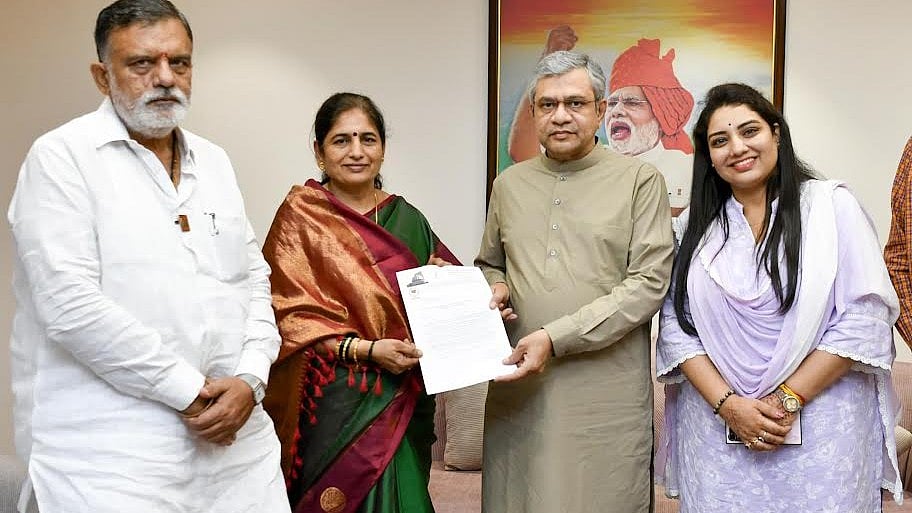
BJP MLA, Shiv Sena (UBT) MP Pitch Nashik Railway Development

Shiv Sena MP Sandipan Bhumre presses for Marathwada railway division
Maharashtra CM Signals Hinjawadi Transfer To PCMC Soon

Anna Hazare Improves, to Stay in Mumbai Hospital Two Days
BJP MLA Seeks Probe Into Alleged BMC Transfer Racket
Mumbai Ganpati Mandals Prepare Amid Debate Over DJs
Maharashtra Pauses Loose Oil Ban, Gives Traders One-Year Transition
