1 hr ago
CPI Urges Tamil Nadu Government to Drop Pattinapakkam Secretariat Plan

Tamil Nadu’s government wants to build a new place for its Secretariat and Assembly in Pattinapakkam.
The proposed site is near the sea in Chennai.
The CPI is asking the government to choose a different location.
It says the construction could harm the coast and places where Olive Ridley turtles lay eggs.
The party also says more than 1,500 fishing families could lose access to important work areas.
The government says the move is needed because the current location does not have enough space.
Officials have started the planning process for the project.
The new complex is expected to cost Rs 1,200 crore.

CPI state secretary M Veerapandian urged the Tamil Nadu government to abandon its proposed Pattinapakkam Secretariat-Assembly complex.
The party warned that the coastal site could damage ecology, Olive Ridley nesting areas, and the livelihoods of more than 1,500 fishing families.
The project would occupy about 20 lakh square feet across 25.55 acres in Pattinapakkam, Mylapore, near the sea.
The government issued an order on September 8 directing the Public Works Department to prepare a detailed project report within three months.
The proposed Rs 1,200 crore complex is intended to address space constraints at the existing Secretariat in Fort St George.
- Who
- The Tamil Nadu government, Chief Minister C Joseph Vijay, and CPI state secretary M Veerapandian are central to the dispute.
- What
- The government plans to build a new Secretariat-Assembly complex at Pattinapakkam, while the CPI is demanding that the site be abandoned.
- Where
- Pattinapakkam, also known as Foreshore Estate, in Mylapore, Chennai, near the sea.
- When
- The government issued the relevant order on September 8; the CPI made its appeal on September 10.
- Why
- The government cited space constraints at Fort St George, while the CPI cited coastal risks, turtle nesting, public access, and fishing livelihoods.
CPI’s objections
Government’s proposal
Site suitability
CPI’s objections
The CPI says the Pattinapakkam location is an environmentally vulnerable coastal area and has urged the government to select a safer, ecologically suitable site.
Government’s proposal
The government has selected Pattinapakkam for a new administrative complex after Chief Minister C Joseph Vijay cited space constraints at Fort St George.
Environmental and coastal risks
CPI’s objections
The CPI warns of damage to coastal ecology, Olive Ridley nesting habitat, and exposure of administrative infrastructure to sea-level rise, storm surges, erosion, and floods.
Government’s proposal
The proposal has been characterized by the government as a “green complex,” although the article does not provide further government statements addressing the CPI’s specific environmental concerns.
Public access and fishing livelihoods
CPI’s objections
The CPI says construction, security restrictions, and VIP traffic could limit beach access and disrupt fishing activities for communities in nine surrounding hamlets.
Government’s proposal
The government has proceeded with land pooling and planning committees for the project; the article does not report a detailed government response on fishing access or compensation.
Key facts
- Estimated cost
- Rs 1,200 crore
- Proposed location
- Pattinapakkam (Foreshore Estate), Mylapore, Chennai
- Proposed area
- Approximately 20 lakh square feet
- Land pooled
- 25.55 acres
- Affected fishing families
- More than 1,500, according to the CPI
- Planning deadline
- The Public Works Department must submit a detailed project report and final cost estimates within three months
- Current Secretariat location
- Historic Fort St George
Quotes
M Veerapandian
CPI state secretary in Tamil Nadu
“Modernising administrative infrastructure may be necessary, but doing so by encroaching on fragile coastal zones, stripping away fisherfolk livelihoods, and shrinking democratic public spaces is unacceptable.”
 theprint.in
“The sea is not merely a residential backyard for these communities. It is their primary livelihood and a common resource.”
theprint.in
Sources
Related news

PMK Chief Challenges Pattinapakkam Site for New Secretariat
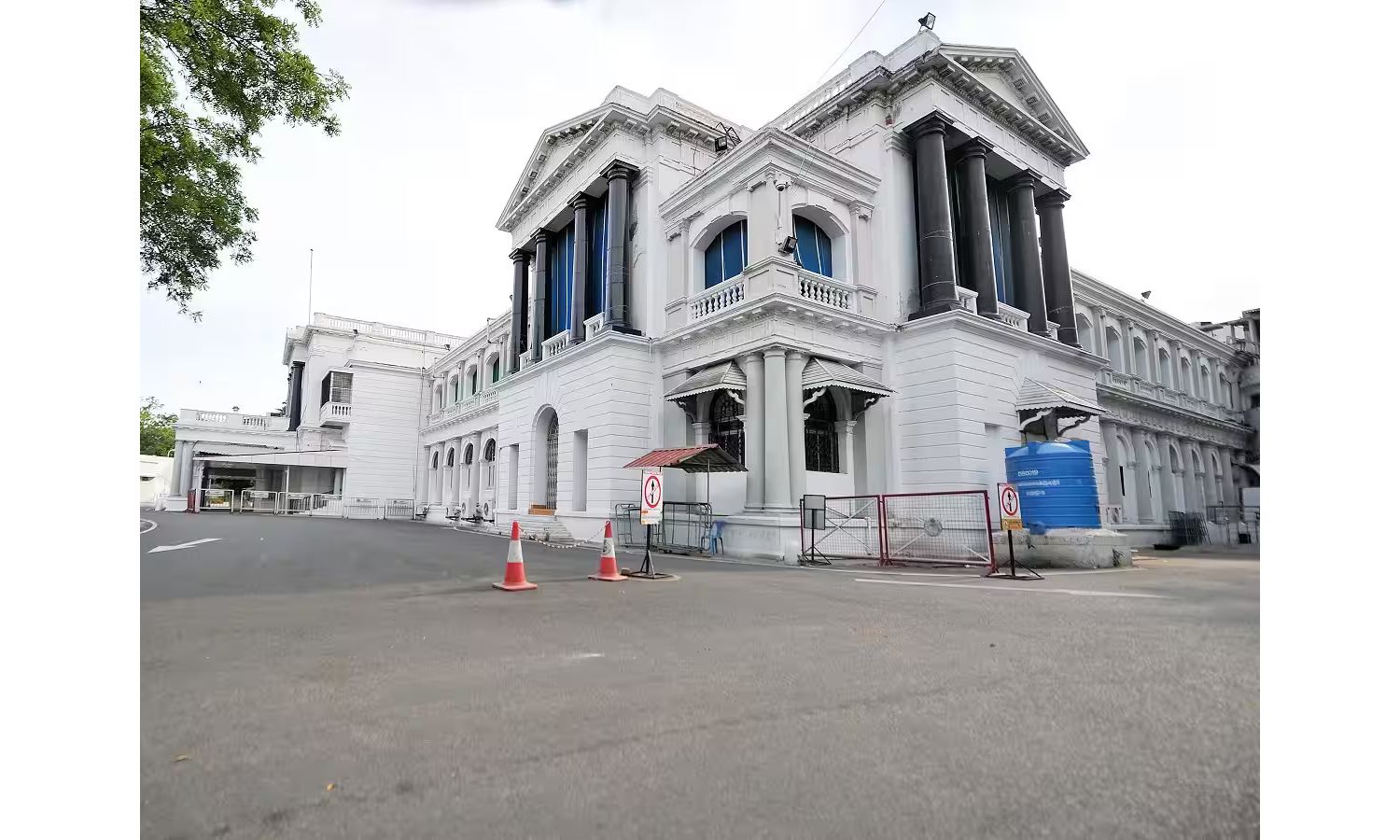
Tamil Nadu Identifies Foreshore Estate Site For New Secretariat
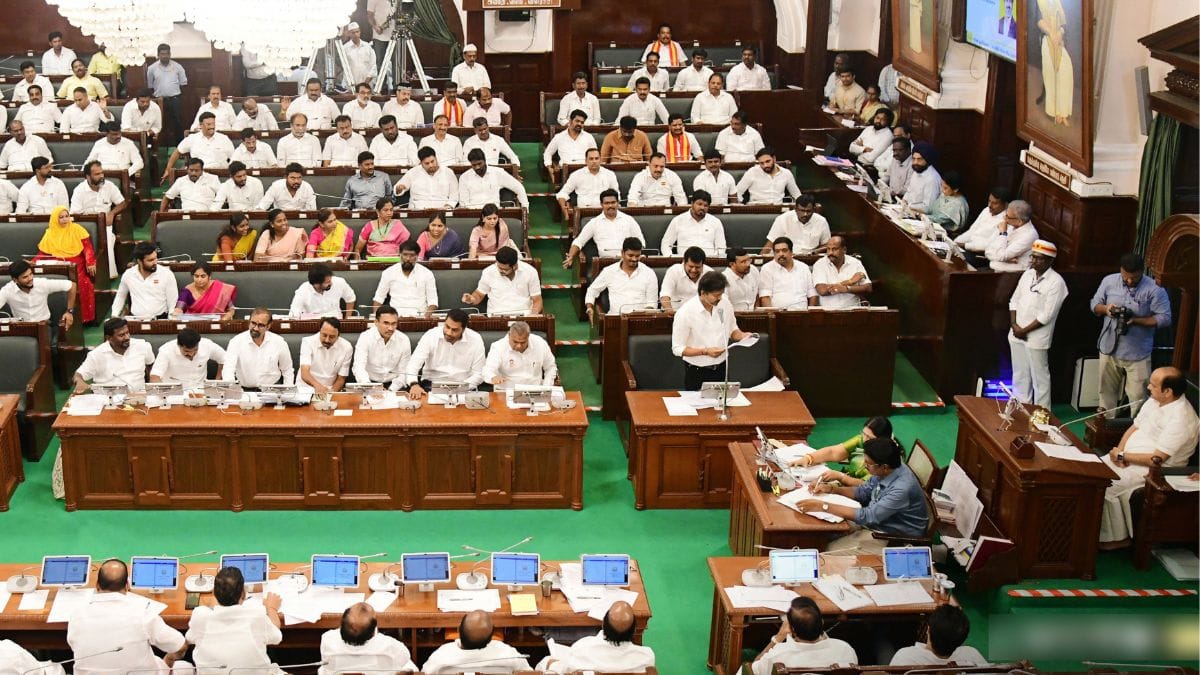
Vijay Plans New Integrated Assembly-Secretariat Complex In Chennai

Vijay Plans ₹1,200-Crore Tamil Nadu Secretariat Complex
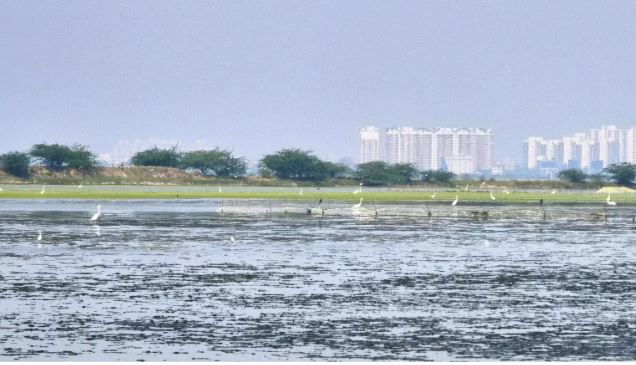
Opposition Grows Over Proposed Mamallan Reservoir Near Chennai
16 Fishermen Arrested in Odisha's Gahirmatha Sanctuary
Ten AP Fishers Arrested in Gahirmatha Sanctuary

17 Fishers Arrested in Odisha Sanctuary

Andhra Fishermen Arrested for Illegal Fishing in Odisha's Gahirmatha Marine Sanctuary