1 hr ago
India Rejects Nuclear Blackmail in UN Rebuttal to Pakistan
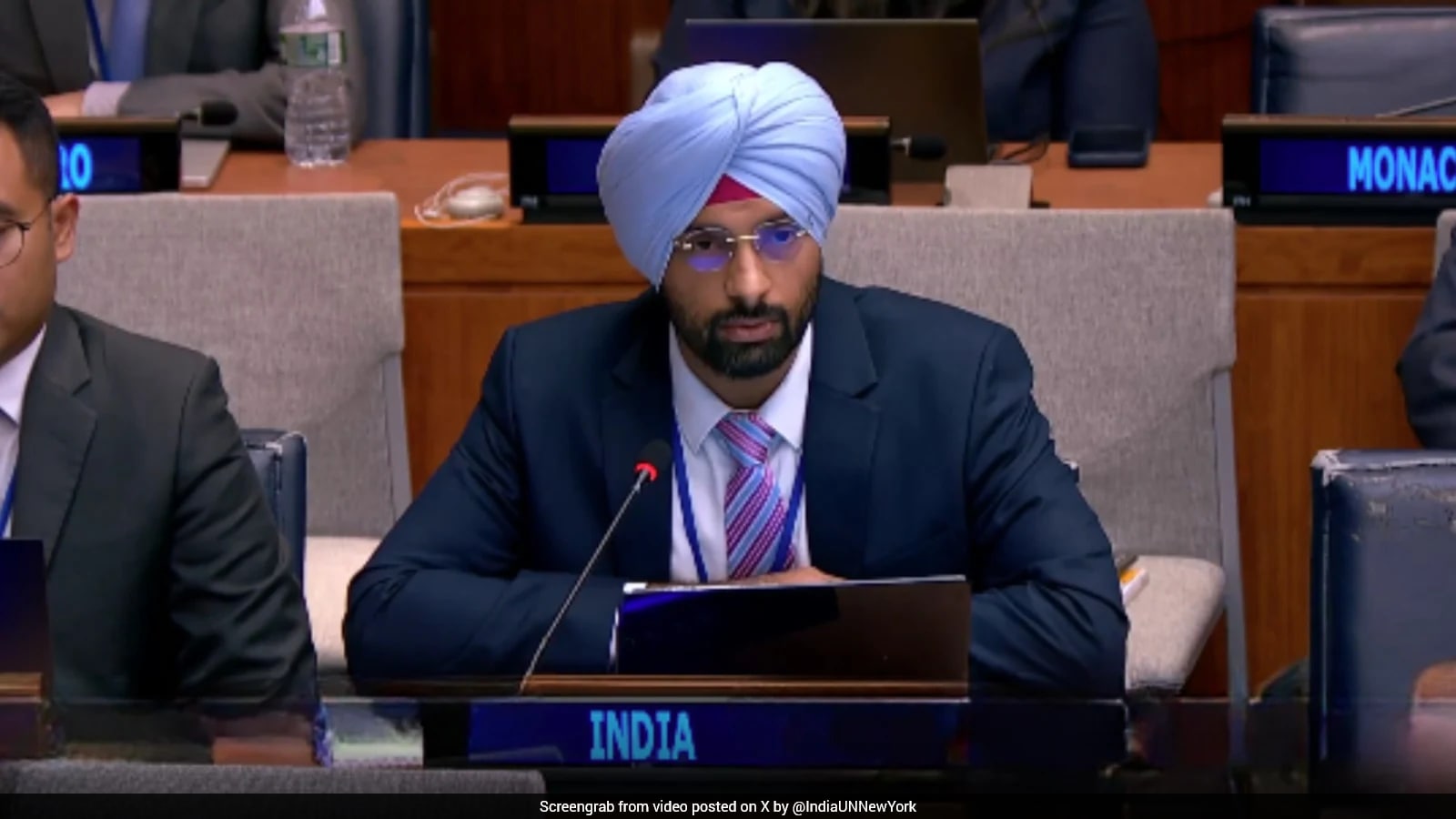
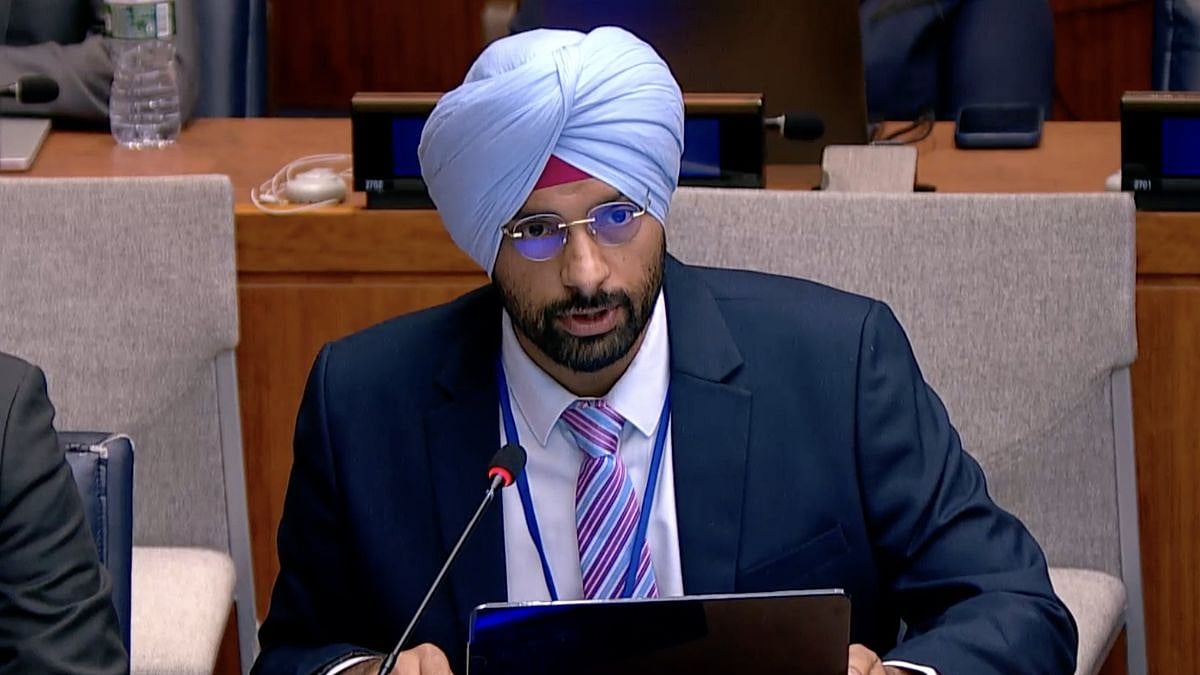
At a United Nations meeting, Indian diplomat Anmol Sher Singh Bedi answered comments from Pakistan's delegation.
He said India acted in self-defense after an attack in Pahalgam killed 26 people.
He described India's military response as limited and meant to avoid a larger conflict.
Bedi also said countries should follow the promises and responsibilities tied to the Indus Waters Treaty.
He warned that nuclear weapons should not be used to shield other kinds of violence.
He raised concerns about the spread of nuclear technology and weapons.
Bedi said India would respond to terrorist attacks and would not be frightened into inaction by nuclear threats.
He said lasting peace requires responsibility and accountability.

Indian diplomat Anmol Sher Singh Bedi defended India's right to respond to cross-border terrorism during a UN First Committee session.
Bedi said India's military action in May followed the Pahalgam attack, which killed 26 civilians, and was measured and intended to avoid escalation.
He argued that the Indus Waters Treaty depends on good faith and mutual cooperation.
Bedi raised concerns about nuclear proliferation, citing the AQ Khan network and UN Security Council Resolution 1540.
He said India would not be deterred by nuclear threats and called for accountability for states that use non-state actors to carry out violence.
- Who
- Indian First Secretary Anmol Sher Singh Bedi addressed Pakistan's delegation.
- What
- Bedi defended India's security position and criticized terrorism, nuclear proliferation, and the use of nuclear threats to deter responses.
- Where
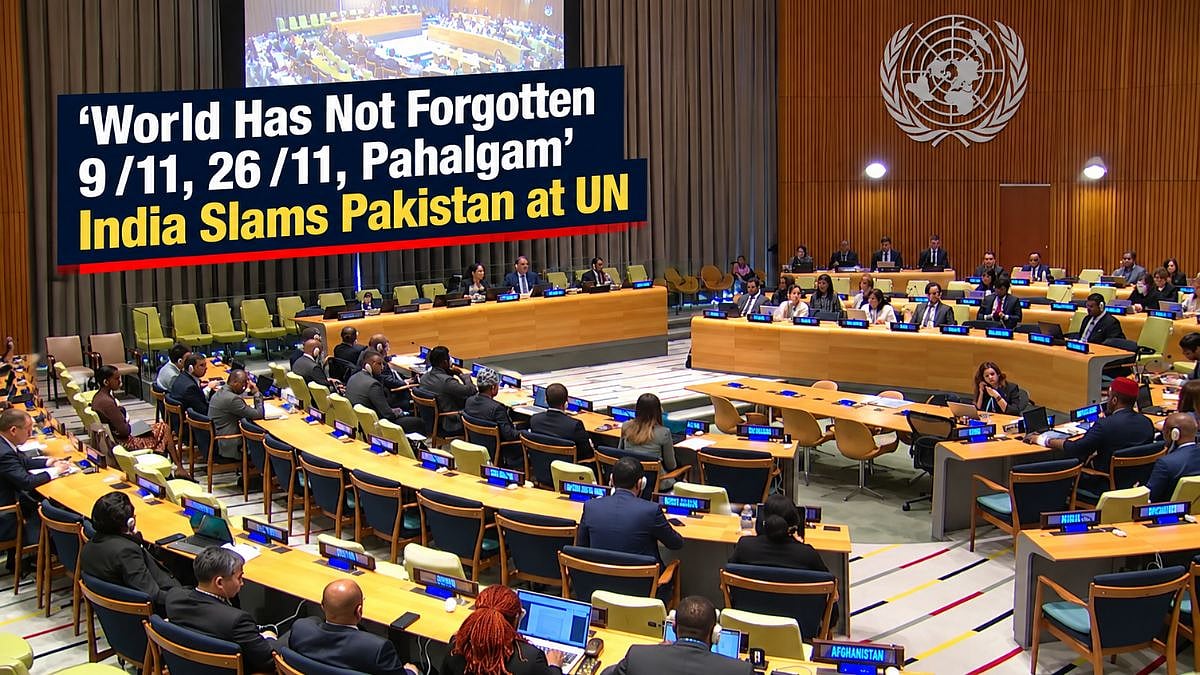
- At the United Nations General Assembly's First Committee.
- When
- During the ongoing 81st session of the UN General Assembly's First Committee; the article does not specify the date.
- Why
- Bedi was exercising India's right of reply to remarks by Pakistan's delegation and presenting India's position on regional security issues.
Key facts
- Speaker
- Anmol Sher Singh Bedi, First Secretary of India
- Forum
- 81st session of the UN General Assembly's First Committee
- Pahalgam attack
- The attack killed 26 civilians, according to the article.
- India's position on its May action
- Bedi described it as self-defense, measured, targeted, and intended to be non-escalatory.
- Indus Waters Treaty
- Signed by India and Pakistan in 1960 with the World Bank's involvement.
- Resolution cited
- UN Security Council Resolution 1540, adopted in 2004, requires states to prevent non-state actors from acquiring weapons of mass destruction and related materials.
- India's stated principles
- Bedi said terrorist attacks would receive a fitting response, India would not bow to nuclear blackmail, and India would not distinguish between terrorism's sponsors and masterminds.
Quotes
Anmol Sher Singh Bedi
India's First Secretary addressing the UN General Assembly First Committee.
“Nuclear weapons must not be treated as routine instruments of statecraft. A posture that relies on nuclear overhang to limit the consequences of subconventional activity raises the risk of escalation and not the prospect of restraint.”
 NDTV
NDTV
“India acted in self-defense after Pahalgam terror attack, where twenty-six civilians were killed. These actions were measured, targeted, and designed to be non-escalatory.”
NDTV
Sources
Related news
India Warns Pakistan It Will Not Bow to Nuclear Blackmail
Pakistan Warns India Over Indus Waters Treaty at UN
India Accuses Pakistan of Terrorism Doublespeak at United Nations
Jaishankar Defends India’s Right to Self-Defence at UNGA
Jaishankar Rebukes Pakistani Reporter Over Terrorism Question At UNGA

India Accuses Pakistan of Spreading Falsehoods at UN

Indian Political and Bureaucratic Circles Buzz With Reshuffle Speculation

Kashmir Valley Sees Rival Protests Over Vote-Chori Allegations
Police Recover Major Arms Cache in Sopore Forest

Shikhar Mohan Builds on Breakthrough Season and Family Cricket Dream