

1 week ago
Meghalaya Assembly Unanimously Opposes Uranium Mining and Processing
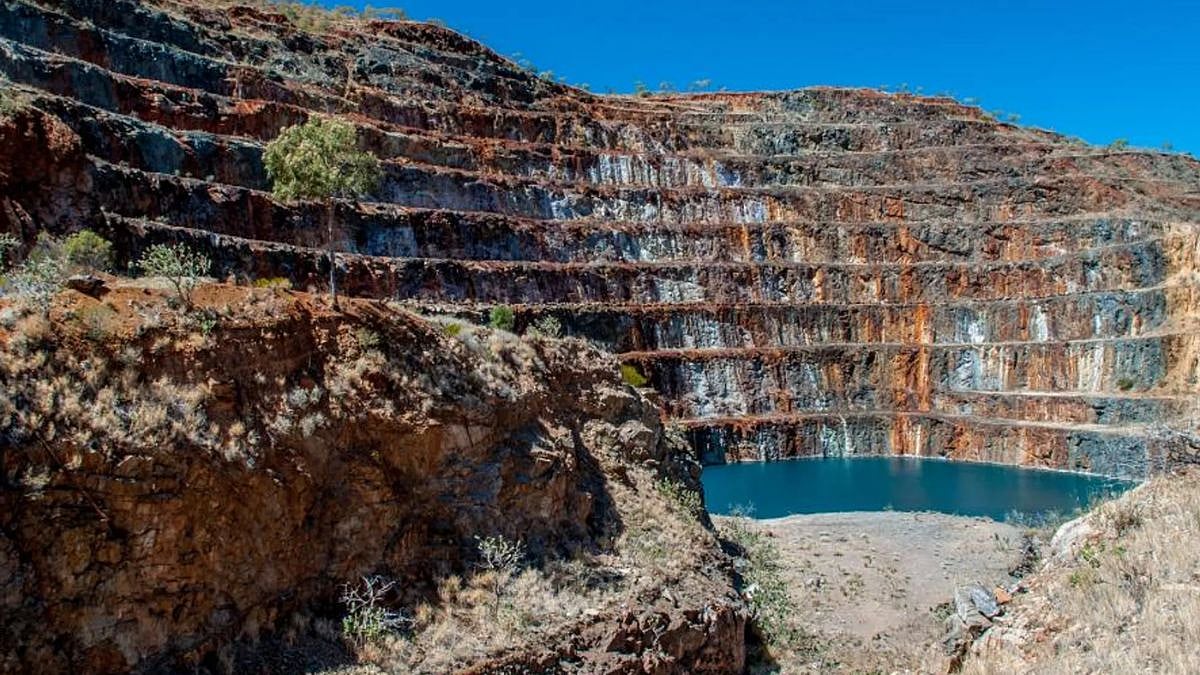
Meghalaya’s lawmakers voted together against uranium mining in their state.
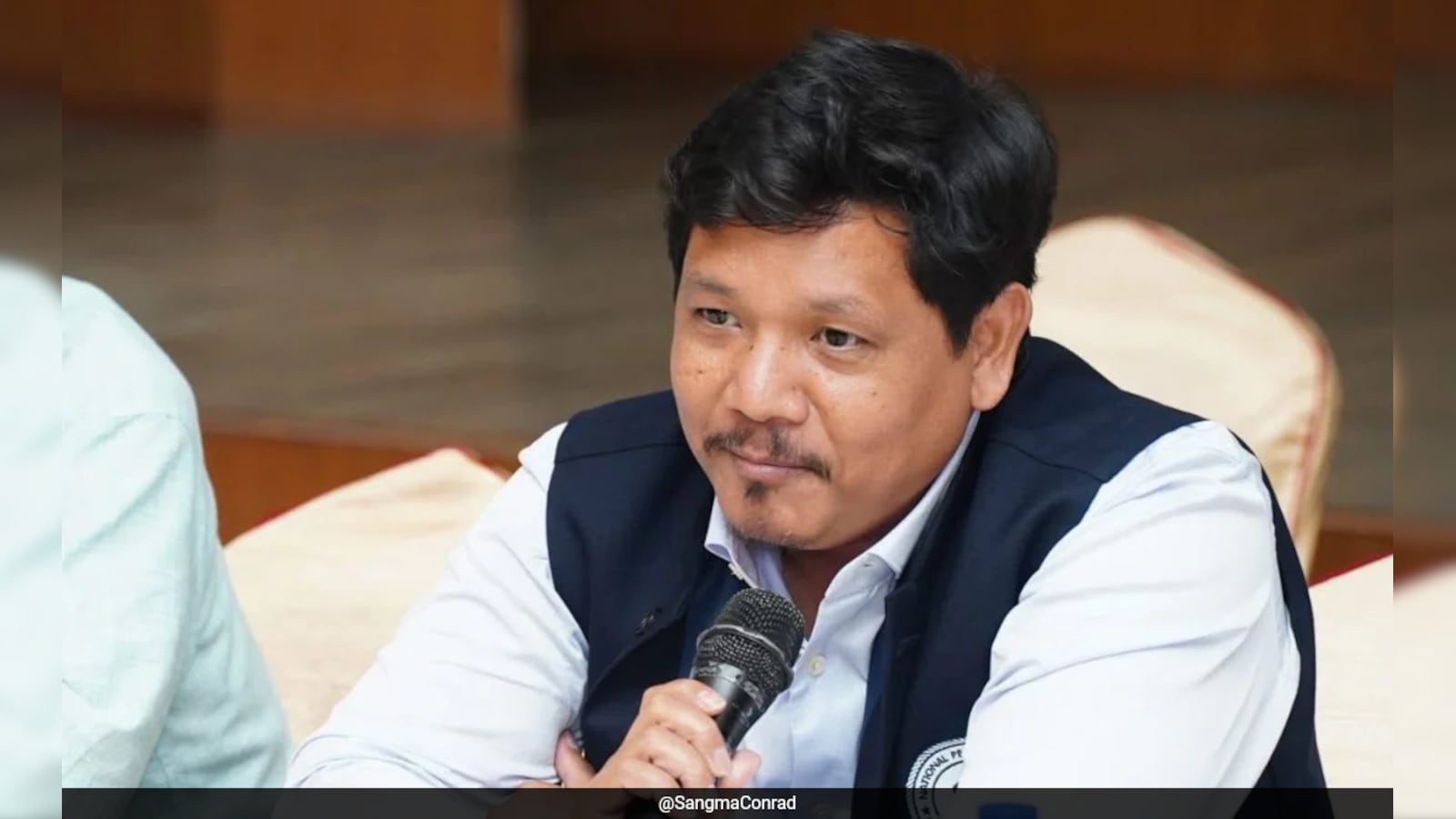
Chief Minister Conrad K. Sangma proposed the resolution.
All 60 lawmakers supported it, including members of opposition parties.
The resolution also opposes building plants to process uranium.
Uranium deposits have been reported near Domiasiat and Wahkyn, although articles differ on whether another location is called Lostoin or Nongstoin.
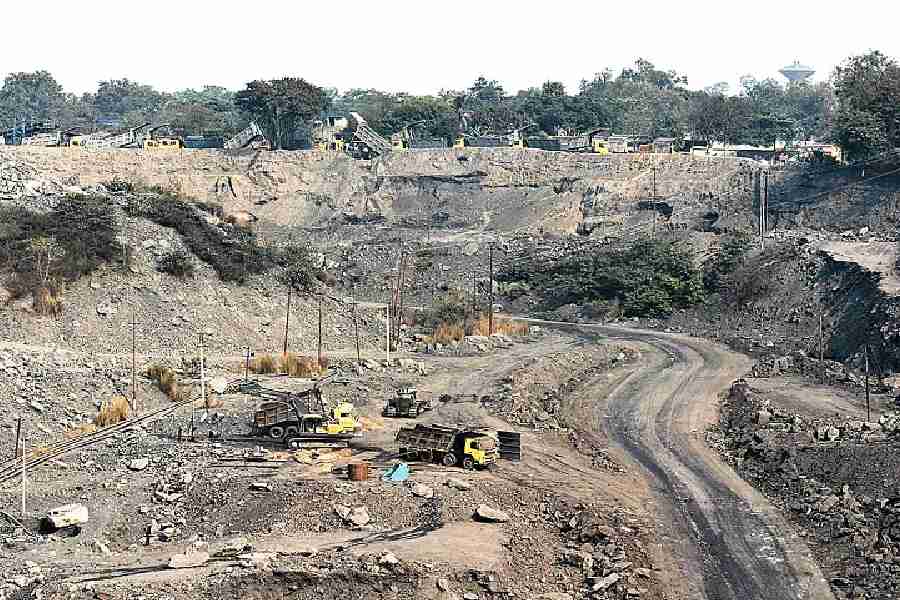
The proposed mining areas have steep hills and heavy rain.
People are concerned that mining waste could affect water, farms, health and livelihoods.
Local groups say they have not given informed consent for the project.
The state government will send the Assembly’s decision to India’s central government.
The vote formally supports a public movement that has opposed uranium mining since the 1980s.

The Meghalaya Assembly on Wednesday passed Chief Minister Conrad K. Sangma’s resolution opposing uranium exploration, mining and processing in the state.
All 60 MLAs, including opposition members, supported the resolution without a dissenting vote.
The resolution asks the Centre, the Department of Atomic Energy and Uranium Corporation of India Limited not to pursue uranium operations, including the proposed KPM project.
Uranium deposits were identified around Domiasiat and Wahkyn, while one article names the third location as Lostoin and another as Nongstoin.
Supporters cited health, environmental, water, landslide, displacement and community-consent concerns, as well as Meghalaya’s land and mineral rights framework.
- Who
- The Meghalaya Legislative Assembly, Chief Minister Conrad K. Sangma, opposition MLAs and local groups opposed to uranium mining.
- What
- The Assembly passed a resolution opposing uranium exploration, extraction, mining and uranium-ore processing facilities in Meghalaya.
- Where
- Meghalaya, particularly uranium-bearing areas including Domiasiat, Wahkyn and a third location identified in the articles as either Lostoin or Nongstoin; the proposed KPM project is in the Khasi Hills region.
- When
- Wednesday; the broader opposition movement dates back to exploration activities in the 1980s.
- Why
- Supporters cited health, environmental, water, landslide, displacement and livelihood risks, the state’s land and mineral rights framework, and the absence of free, prior and informed consent from affected communities.
Key facts
- Vote
- All 60 Meghalaya MLAs supported the resolution, with no dissenting vote.
- Resolution sponsor
- Chief Minister Conrad K. Sangma moved the resolution.
- Requested action
- The resolution asks the Centre, the Department of Atomic Energy and Uranium Corporation of India Limited not to permit or pursue uranium operations in Meghalaya.
- Project named
- The resolution specifically opposes the proposed Kylleng-Pyndengsohiong-Mawthabah Uranium Mining Project, also called the KPM project.
- Reported deposits
- The articles identify Domiasiat and Wahkyn, but differ on the third location, naming it Lostoin or Nongstoin.
- Environmental concerns
- The proposed areas are described as steep, landslide-prone and subject to heavy rainfall, with catchments supplying water and supporting agriculture and livelihoods.
- Community concerns
- Traditional institutions, district councils, student groups and civil society organisations have opposed mining; the resolution says affected communities have not provided free, prior and informed consent.
- Government communication
- The Meghalaya government plans to communicate the Assembly’s decision to the Centre.
Quotes
Conrad K Sangma
Meghalaya chief minister who moved the resolution
“There was no clarity on the stand of the government, the House and the people. We felt a resolution must be brought in to send a message that Meghalaya, its people, government and elected members oppose any uranium mining or processing.”
 telegraphindia.com
“This is a simple yet very important resolution, not just for today, but for generations to come. We may have political differences, but when it comes to protection of our people, we are one.”
telegraphindia.com
Sources
Related news

CPI-M demands protection of Odisha's mineral rights

INDIA Bloc Calls Odisha Resistance Day Against MMDR Amendment

MMDR Amendment Bill 2026 Sparks State-Centre Mining Tax Battle

UDP urges Amit Shah to implement ILP in Meghalaya
Ashok Bhattacharya Seeks Sixth Schedule Protection for Himalayan Belt
