2 hrs ago
Medicine’s Clinical Generations Reflect Roles, Not Birth Years
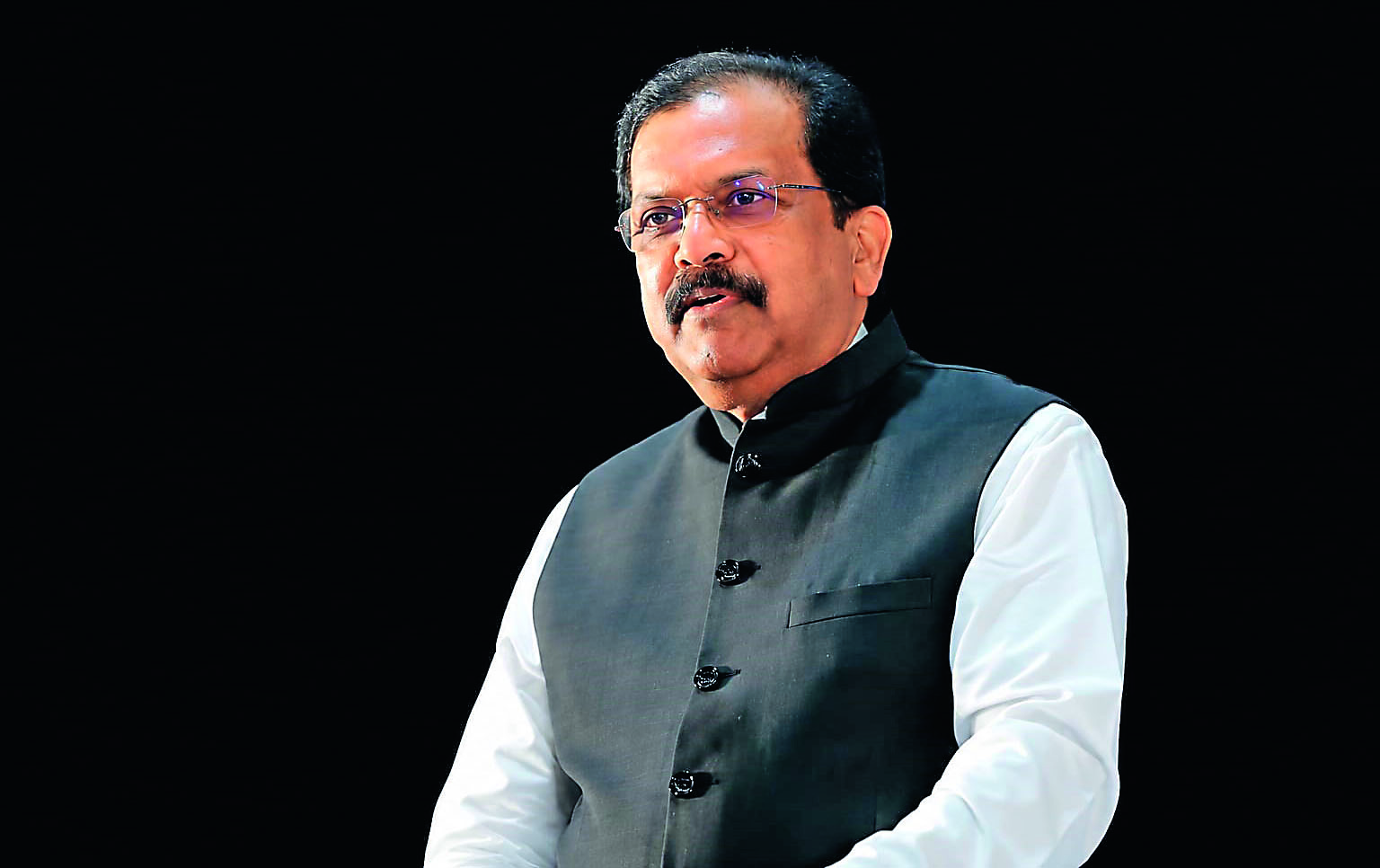
Dr G V Rao says medical teams have different kinds of people, much like generations, but these groups are not based on age.
He names eight roles that clinicians may play.
Some teach and build medical knowledge, while others connect teams or notice important details.
Practitioners help deliver care, and innovators try useful new ideas.
Mentors pass on experience, while stewards help protect safety and ethics.
Researchers investigate questions to build evidence.
One clinician can have several of these roles.
Rao says good teams need people who contribute in different ways.

Dr G V Rao describes eight clinical archetypes based on professional behaviour, not age.
The archetypes are Academicians, Collaborators, Observers, Practitioners, Innovators, Mentors, Stewards and Researchers.
Each archetype contributes differently, from building evidence and treating patients to protecting safety and ethics.
Clinicians can fit more than one archetype, and the categories are not fixed.
Rao says strong healthcare teams depend on complementarity rather than uniformity.
- Who
- Dr G V Rao, Director and Chief of Surgical Gastroenterology and GI Oncology at the Asian Institute of Gastroenterology.
- What
- Rao describes eight professional archetypes, or “clinical gens,” that characterize contributions to healthcare teams.
- Where
- The Asian Institute of Gastroenterology is identified as Rao’s institution; no location for the discussion is stated.
- When
- Why
- To describe how clinicians contribute to strong teams through different, complementary roles rather than age-based generations.
Age-Based Generations
Professional Archetypes
How to understand generations in medicine
Age-Based Generations
The article notes that generations such as Gen Z and Gen Alpha are commonly associated with age and birth year.
Professional Archetypes
Rao argues that in medicine, the more useful framing is professional archetypes describing what clinicians contribute, regardless of age.
What makes a strong clinical team
Age-Based Generations
A team could be thought of in terms of its members’ distinct generational labels.
Professional Archetypes
Rao says strong teams need complementary roles and contributions, rather than uniformity.
Key facts
- Archetypes
- Academicians, Collaborators, Observers, Practitioners, Innovators, Mentors, Stewards and Researchers
- Basis
- Professional behaviour and contribution, not birth year
- Academicians
- Build knowledge, shape evidence and strengthen teaching
- Collaborators
- Connect specialties and help multidisciplinary care work
- Stewards
- Protect standards, ethics and patient safety
- Researchers
- Use basic and translational research to develop answers
- Key idea
- Clinicians may fit one or more archetypes; strong teams rely on complementarity
Quotes
Dr GV Rao
Director and Chief of Surgical Gastroenterology and GI Oncology at the Asian Institute of Gastroenterology.
“It is not uniformity; it is complementarity. Every strong team needs thinkers, doers, connectors, mentors, innovators, stewards, and observers.”
 deccanchronicle.com
“There could be several permutations and combinations, and a clinician can be tagged by one or more archetypes.”
deccanchronicle.com
Sources
Related news

Diagnostics Experts Urge Balance as AI Expands Clinical Support
Guntur Doctors Emphasize Health Responsibility Beyond Consultation Rooms

HBA India Summit Urges Healthcare Leaders to Command AI Shift
HBA India Summit Develops Leaders for AI-Driven Global Healthcare

NEET PG Rank Is Only One Part of Specialty Choice
Study Finds Implicit and Explicit Caste Bias Among Healthcare Providers