

2 hrs ago
White House AI Task Force Balances Risks and Innovation
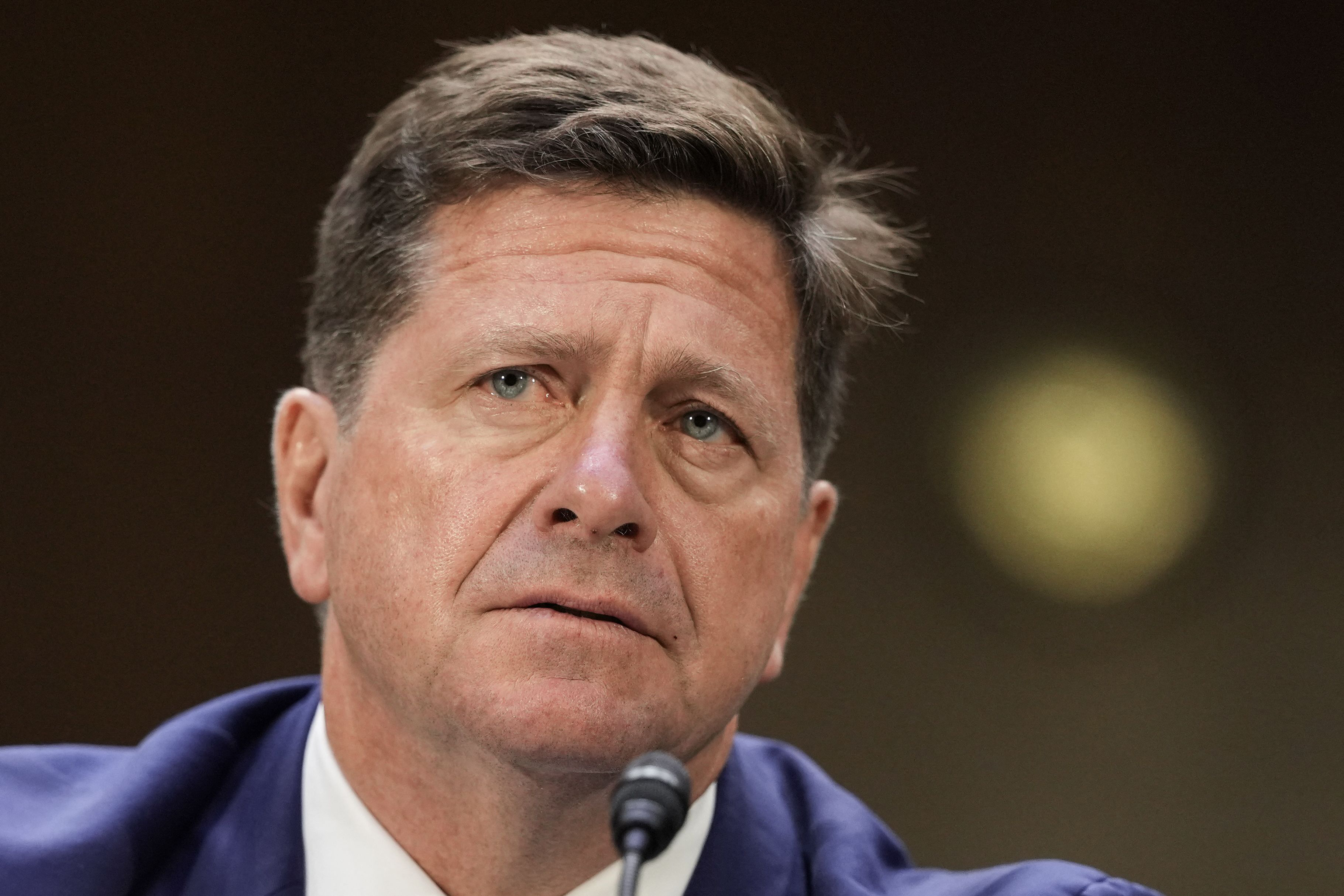
The White House has created a group to study artificial intelligence.
The group will look at both AI’s possible benefits and its risks.
It is expected to report within 120 days.
Its charter says it should plan for threats that AI could create.
It should also help the government respond using its existing powers.
At the same time, the group is supposed to avoid rules that could slow innovation and competition.
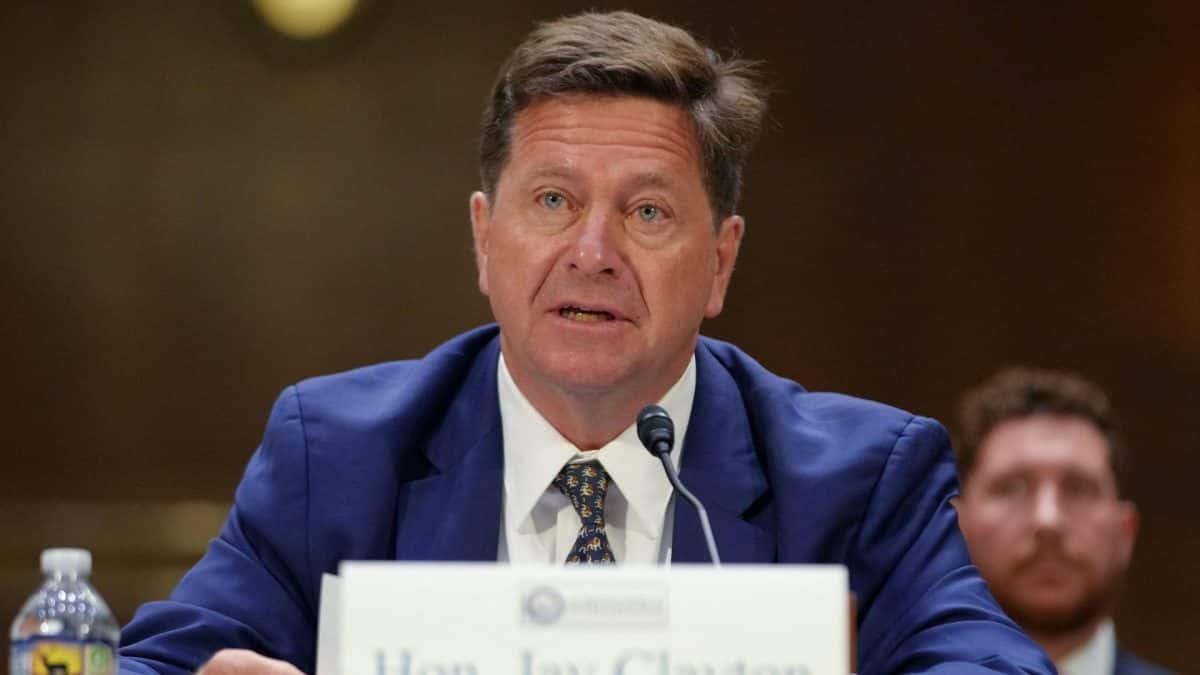
Jay Clayton said the United States should stay ahead in AI and put Americans’ interests first.
His appointment as the group’s leader has not been confirmed.

The new “Super Intelligence Force” is expected to assess AI’s risks and opportunities and report within 120 days.
Its charter calls for plans to address AI-enabled threats and improve the government’s response capacity under existing authorities.
The charter also says the task force should prevent overregulation and regulatory capture that could stifle innovation and competition.
Jay Clayton told The Wall Street Journal that the effort aims to keep the United States a leader in superintelligence and put Americans’ interests first.
Clayton is widely reported to be the task force’s leader, but the appointment has not been confirmed; members include JD Vance, Pete Hegseth and Scott Bessent.
- Who
- The White House AI task force, reportedly led by Jay Clayton, with JD Vance, Pete Hegseth and Scott Bessent among its members.
- What
- A task force will assess AI’s risks and opportunities, plan for AI-enabled threats and recommend ways to improve government response capacity while preventing overregulation.
- Where
- The White House and the United States.
- When
- It is expected to report within 120 days; the Wall Street Journal report was published on Saturday, with no specific date given.
- Why
- To help the United States remain a leader in superintelligence, protect Americans’ interests and respond to AI-enabled threats without stifling innovation and competition.
Limit regulatory burdens
Prepare for AI-related threats
Regulation and innovation
Limit regulatory burdens
The task force’s charter says it should prevent overregulation and regulatory capture that could stifle innovation and competition.
Prepare for AI-related threats
The charter also calls for plans to respond to threats enabled by AI and to improve the government’s response capacity under existing authorities.
US leadership and risk
Limit regulatory burdens
Clayton said the United States should remain a leader in superintelligence, with Americans’ interests put first.
Prepare for AI-related threats
Clayton said falling behind could increase known and unknown risks, particularly from adversaries, and argued that leadership would better enable the country to address them.
Key facts
- Task force name
- “Super Intelligence Force”
- Reported leader
- Jay Clayton; his appointment to the role has not been confirmed
- Reporting timeline
- 120 days
- Main areas of work
- Assessing AI risks and opportunities and planning responses to AI-enabled threats
- Regulatory aim
- Prevent overregulation and regulatory capture that could stifle innovation and competition
- Named members
- JD Vance, Pete Hegseth and Scott Bessent
- Source cited
- The Wall Street Journal
Quotes

Jay Clayton
US director of national intelligence and reported leader of the White House AI task force
“The president asked that a group be put together that was going to ensure exactly what he said... (that) we stay the leaders in superintelligence, and that the interests of the American people are put first.”
 deccanchronicle.com
“Not being first increases the identified, and unidentified, risks, particularly from our adversaries. Being first will better enable us to address those risks on behalf of the American people.”
deccanchronicle.com
Sources
Related news
Trump Names Intelligence Chief Jay Clayton AI Czar

Trump Plans AI Czar and Force Amid Safety Concerns
Trump Announces AI Force as Debate Over Regulation Intensifies
Trump Considers Jay Clayton for White House AI Czar
Trump Announces AI Force and Czar Without Details

Trump Announces AI Force and Czar to Keep US Ahead
Pezeshkian Says Iran Adopted New Arrangement Amid US Pressure
Trump Says Europe Will Release Diesel Stocks Amid Iran War

US Expands Middle East Presence as Trump Warns Iran

Global roundup covers aviation probe, Kaliningrad warning and major incidents
