1 hr ago
South Korean Team Assesses Hormuz Role Amid U.S. Pressure
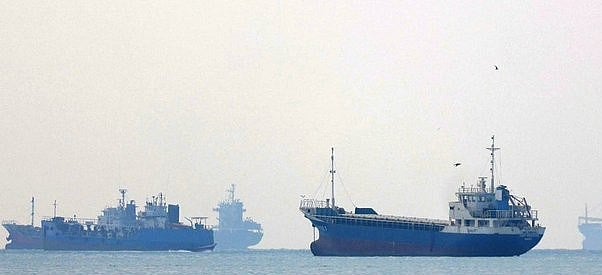
South Korea sent government officials to the United Arab Emirates to look at conditions near the Strait of Hormuz.
The strait is an important route for ships.
The officials checked bases, ports and other practical details.
South Korea is considering whether to help keep ships safe there.
Possible help could include an aircraft or bomb-disposal teams.
A support ship may not be used because it would require more than 100 sailors.
The United States is urging South Korea to contribute military support.
South Korea says it has not made a final decision and could consider non-military or technological help instead.

A South Korean team of defense and foreign ministry officials returned from the United Arab Emirates on Thursday after assessing security and operational conditions near the Strait of Hormuz.
The team reportedly inspected potential bases, ports, logistics and safety conditions for a possible contribution to regional security operations.
Possible assets include a P-8A maritime patrol aircraft and explosive ordnance disposal teams, while a logistics support ship was reportedly ruled out.
South Korea’s defense ministry said the assessment does not mean a deployment decision has been made.
Seoul faces pressure from the United States, while the issue has prompted backlash from Iran and debate within South Korea.
- Who
- A South Korean assessment team made up of defense and foreign ministry officials; the United States is pressing Seoul to contribute, while Iran has objected.
- What
- The team assessed conditions near the Strait of Hormuz as South Korea considers a possible military or alternative contribution.
- Where
- The assessment took place in the United Arab Emirates, near the Strait of Hormuz, and the team returned through Incheon International Airport.
- When
- The team left for the United Arab Emirates over the weekend and returned on Thursday, September 10; South Korea and the United States are expected to hold defense talks the following week.
- Why
- The mission was intended to evaluate security, operational, logistical and safety conditions for any potential contribution to securing passage through the strait.
Deployment and Direct Contribution
Caution and Alternative Assistance
Whether to send forces
Deployment and Direct Contribution
The assessment mission may support a contribution to US-led operations, potentially involving combat or noncombat forces.
Caution and Alternative Assistance
South Korean officials stress that assessing the site does not mean deployment will occur and say alternatives remain possible.
Type of assistance
Deployment and Direct Contribution
A P-8A maritime patrol aircraft and explosive ordnance disposal teams are among the non-combat assets reportedly under consideration.
Caution and Alternative Assistance
Officials have also raised technological assistance and other forms of contribution that would not require deploying forces.
Diplomatic approach
Deployment and Direct Contribution
The United States is pressing South Korea to commit military forces or assets to help secure the shipping route.
Caution and Alternative Assistance
Seoul is proceeding cautiously amid negative sentiment within the government and ruling party and backlash from Iran.
Key facts
- Assessment team
- Defense and foreign ministry officials from South Korea
- Assessment location
- United Arab Emirates and the area near the Strait of Hormuz
- Possible assets
- P-8A maritime patrol aircraft and explosive ordnance disposal teams
- Asset reportedly ruled out
- A naval logistics support vessel, because its operation would require more than 100 sailors
- Decision status
- No final decision on deployment has been made
- Next procedural step
- The team must report its findings to South Korea’s National Security Council
- Expected talks
- South Korea and the United States are expected to hold the Korea-U.S. Integrated Defence Dialogue in Busan the following week
Quotes
Seong Ghi-hong
Senior presidential secretary for public relations in South Korea
“If deployment was not an option, we could have technological assistance. While we can consider combat or noncombat forces in the form of deployment, we could also wisely explore alternatives for contribution.”
 freepressjournal.in

Donald Trump
President of the United States, quoting South Korean President Lee Jae Myung’s response to joining US efforts concerning Iran
“No thanks.”
freepressjournal.in
Sources
Related news
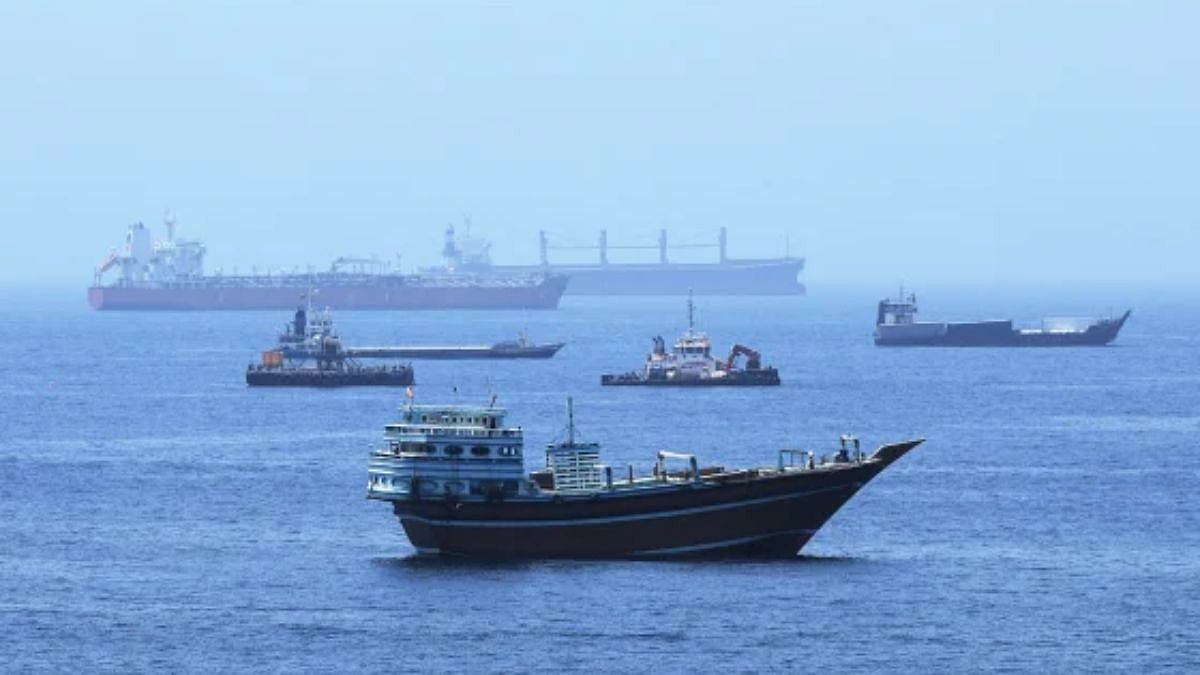
South Korea Weighs Hormuz Military Role Amid Trump Pressure
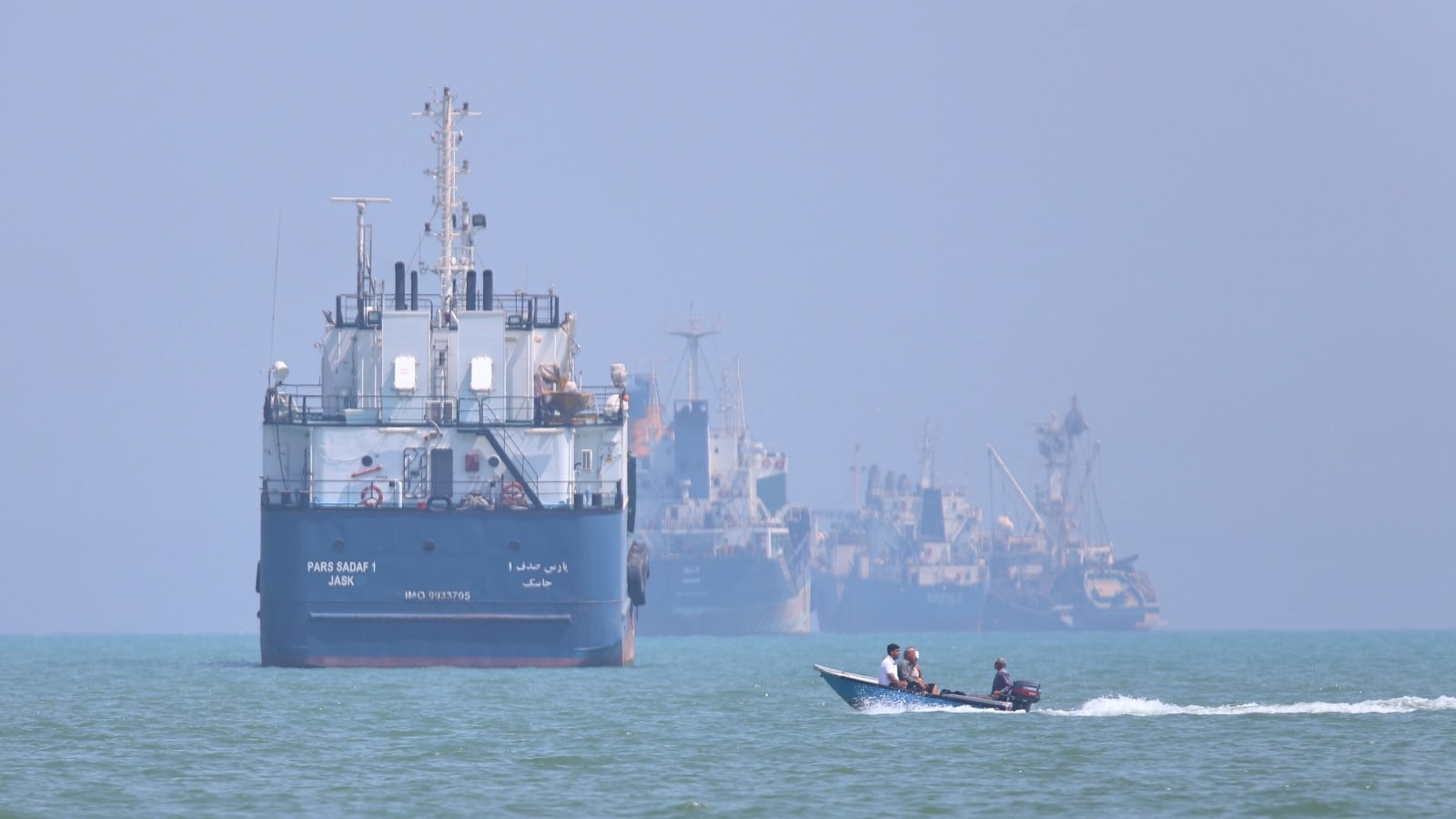
South Korea Weighs Hormuz Deployment Amid Trump Pressure, Reports Say

Trump criticizes South Korea over Hormuz aid, questions Korea drills
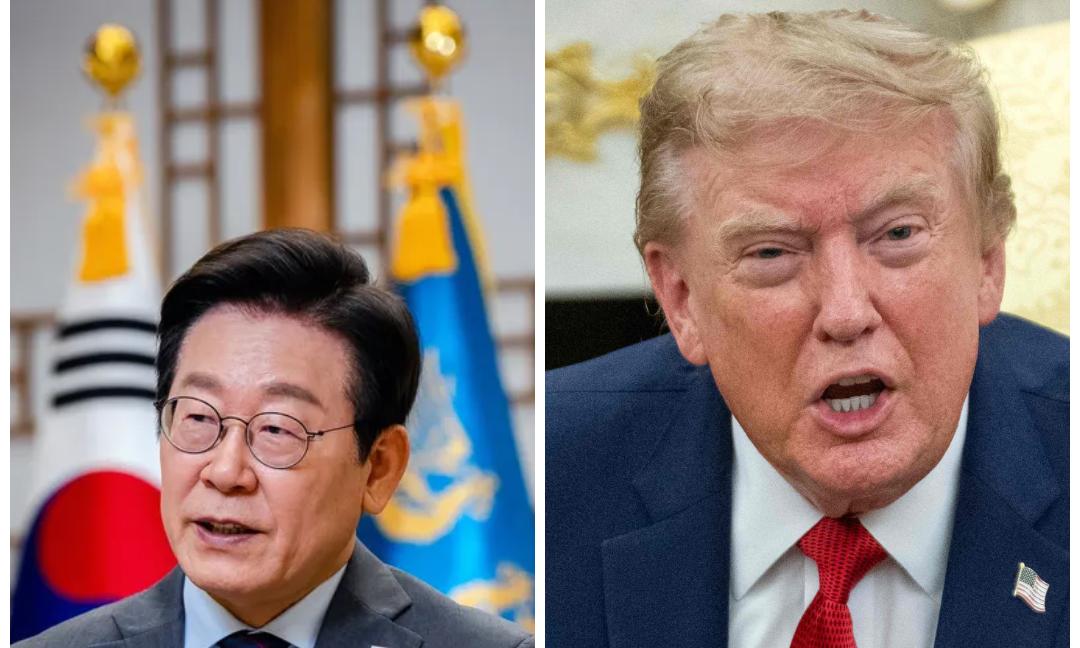
Trump Criticizes South Korea Over Declined Iran Help Request
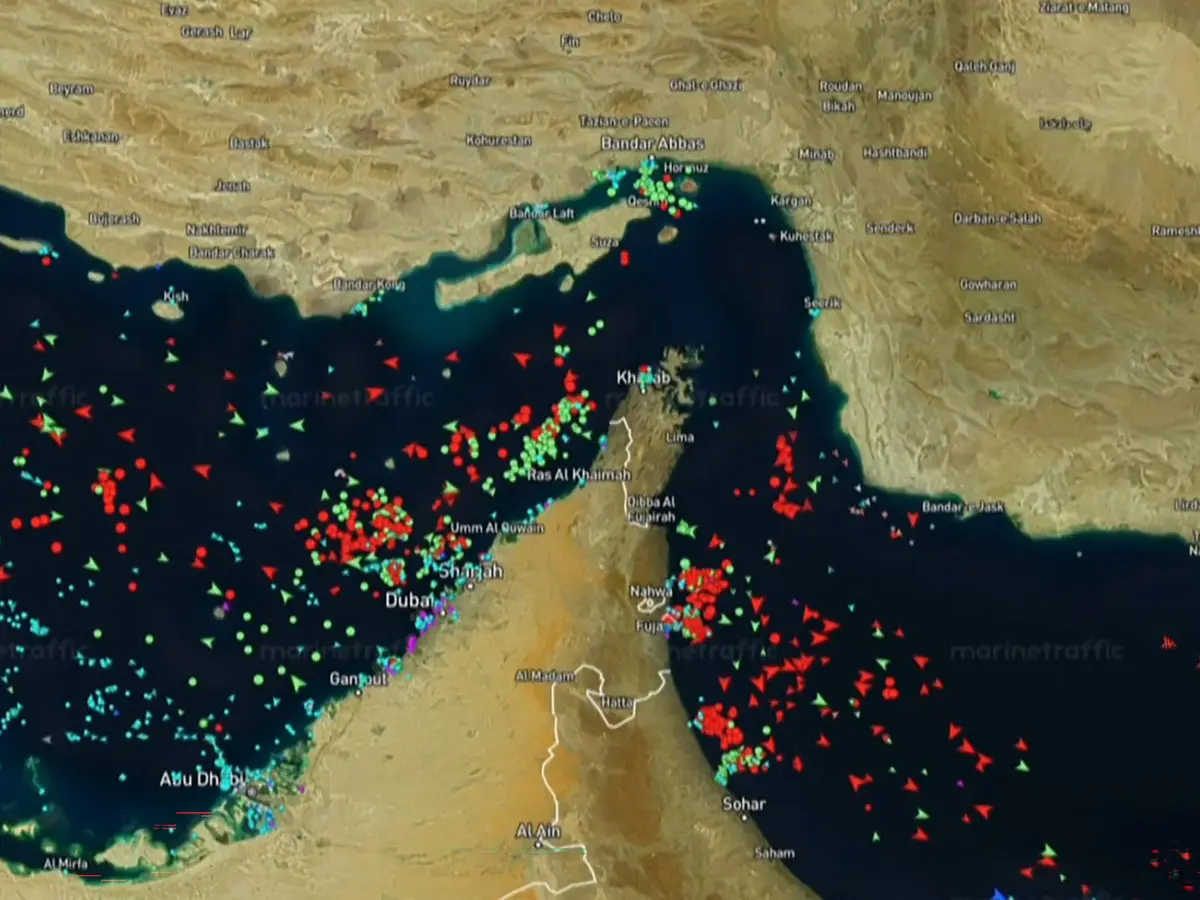
Iran Keeps Strait of Hormuz Militarily Closed, Offers Oman Route
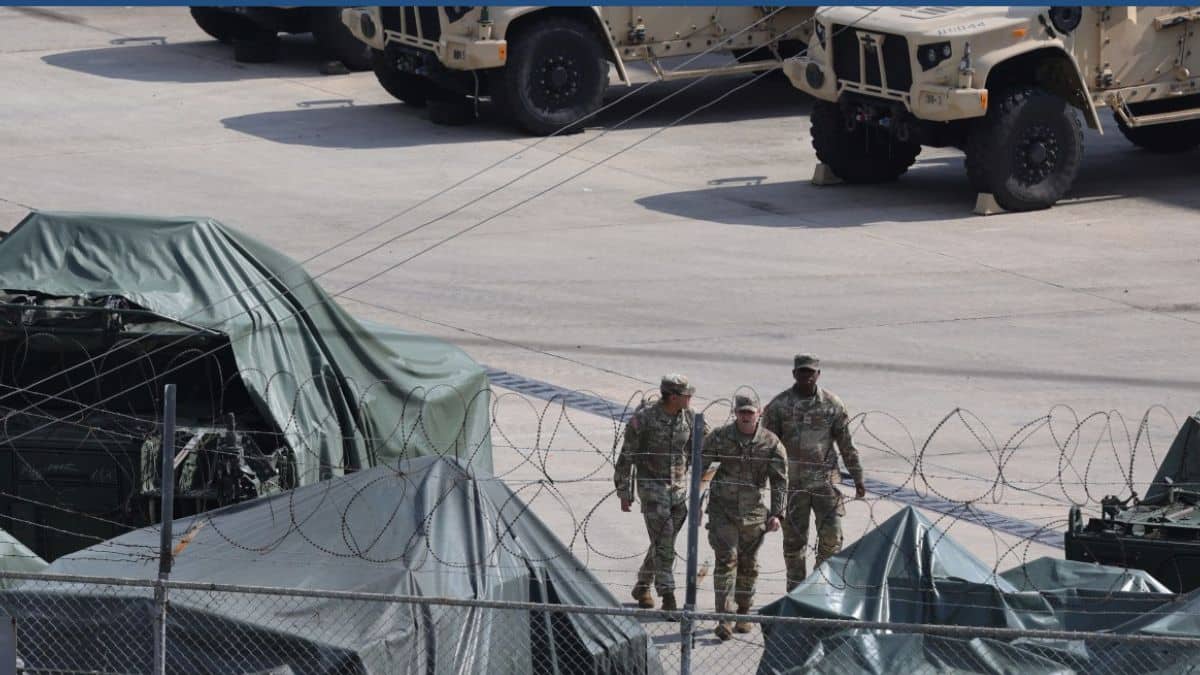
US Cancels South Korea Marine Drill Amid Iran War

India’s Crude Basket Tops $100 as Geopolitical Risks Persist

Trump Predicts Iran War Ends After Midterm Elections
India Hosts BRICS Summit as Iran War Tests Unity
Trump Puts Himself at Center of Republican Midterm Convention