

Politics · United States · 2 hrs ago
Data center opposition creates a political challenge for Republicans
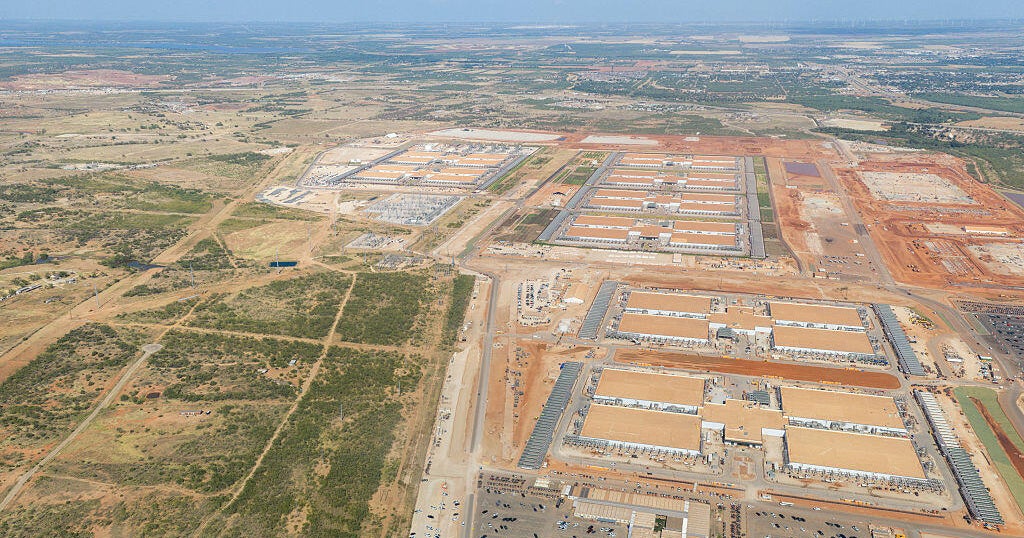
Data centers, which provide the computing power needed for artificial intelligence, have become a major issue in the 2026 midterm elections.
Most facilities under construction or in planning are in predominantly Republican states, according to data cited in the story.
President Trump supports building them, saying they are important to the economy and national security.
But people living nearby have raised concerns about noise, property values, higher energy bills and pressure on local resources.
Opposition outweighs support by 30 percentage points, and most Republicans oppose data centers being built near them.
Some Republican candidates are distancing themselves from Trump’s position: Texas Governor Greg Abbott has paused permits and grid connections for new projects, while Texas Senate candidate Ken Paxton wants to end a tax break for data centers.
In Ohio, both the Democratic and Republican candidates for governor have called for limits on data center construction.

Data center opposition has become a major issue in the 2026 midterm elections, creating divisions among Republicans.
Most data centers under construction or in planning are in predominantly Republican states, according to Cleanview Research.
Residents have raised concerns about property values, noise, energy bills and resource depletion.
A poll cited by CBS News found opposition to data centers outweighed support by 30 points, with most Republicans opposing facilities near them.
Some Republican leaders and candidates have called for limits or changes to data center development, despite President Donald Trump’s support for the industry.
- Who
- The Trump administration and Republican leaders and candidates, alongside communities opposing data centers.
- What
- Opposition to data center construction is creating a political challenge for Republicans ahead of the midterms.
- When
- The issue has become prominent ahead of the 2026 midterms.
- Where
- Predominantly Republican states, including Texas and Ohio.
- Why
- Residents have raised concerns about property values, noise, higher energy bills and resource depletion, while Trump has described AI as important to the economy and national security.
Data center supporters
Data center opponents
Economic and national security
Data center supporters
Trump says the AI race is critical to the economy and national security and has argued data centers bring money and jobs.
Data center opponents
Opponents have called for moratoriums and raised concerns about local impacts.
Development and regulation
Data center supporters
Trump has resisted regulation and said data centers should not be turned off.
Data center opponents
Texas Governor Greg Abbott has paused environmental permits and grid connections for new data centers; candidates in Texas and Ohio have also proposed limits or changes.
ChatGPT launched, when most data centers were being built in blue states.
68% of data centers online were in red states, according to Cleanview Research.
Data center construction emerged as a prominent election issue, as communities pushed back and some Republican leaders and candidates called for limits or changes.
- Data centers under construction
- 75% in predominantly Republican states
- Data centers in planning
- 80% in predominantly Republican states
- Online data centers in 2025
- 68% in red states
- Opposition versus support
- Opposition outweighed support by 30 points
- Texas
- The state with the most data centers under construction
- Ohio
- Democratic nominee Amy Acton called for a conditional moratorium on data centers
What people are saying
We want them … look, there's so much money to be made for Ohio — you can't just turn them off. They'll go to China.
the only reason that communities throughout the U.S.A. should not want Data Centers is if they want to end up being backwards and poor.
It's such a consensus issue it's really impossible to take the other side
When voters see a politician who supports data centers, they think, 'Well, how am I going to trust him with my job?'
Sources
Related news

Elon Musk gives more than $276 million to Republican groups since July
Trump and Rubio weigh firing US ambassador to Greece amid misconduct allegations

Federal agents search Ilhan Omar’s home in criminal investigation

DOJ investigates five networks over White House TV pool boycott
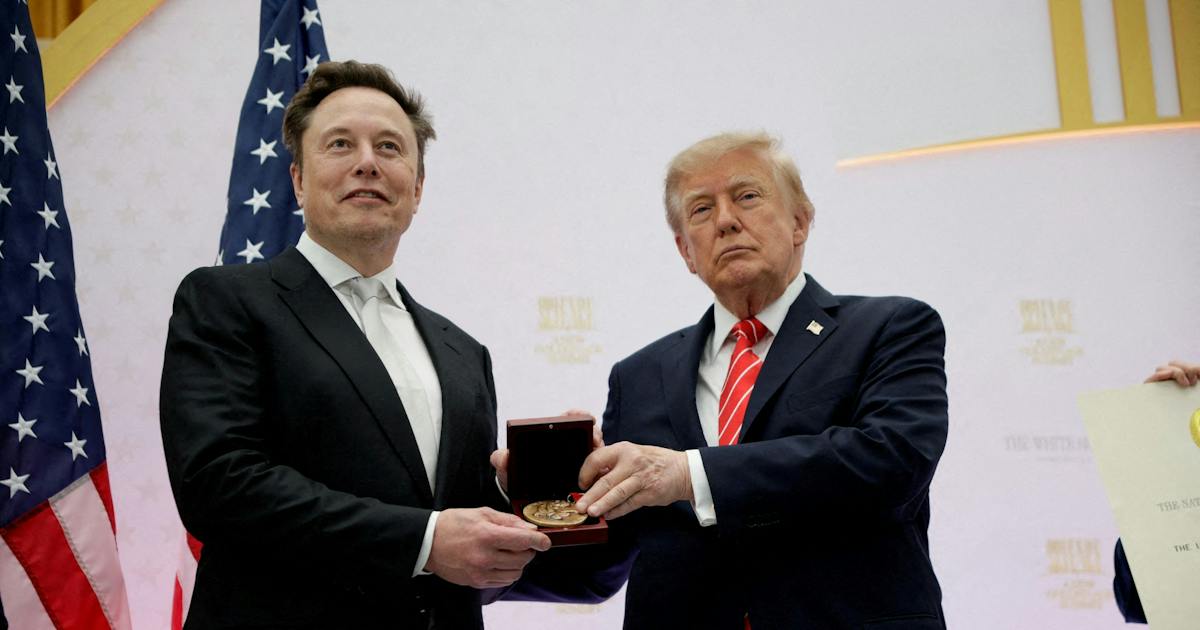
Musk gives $276 million to support Republicans in US midterms

Mamdani says Omar’s citizenship should not be weaponized after home search
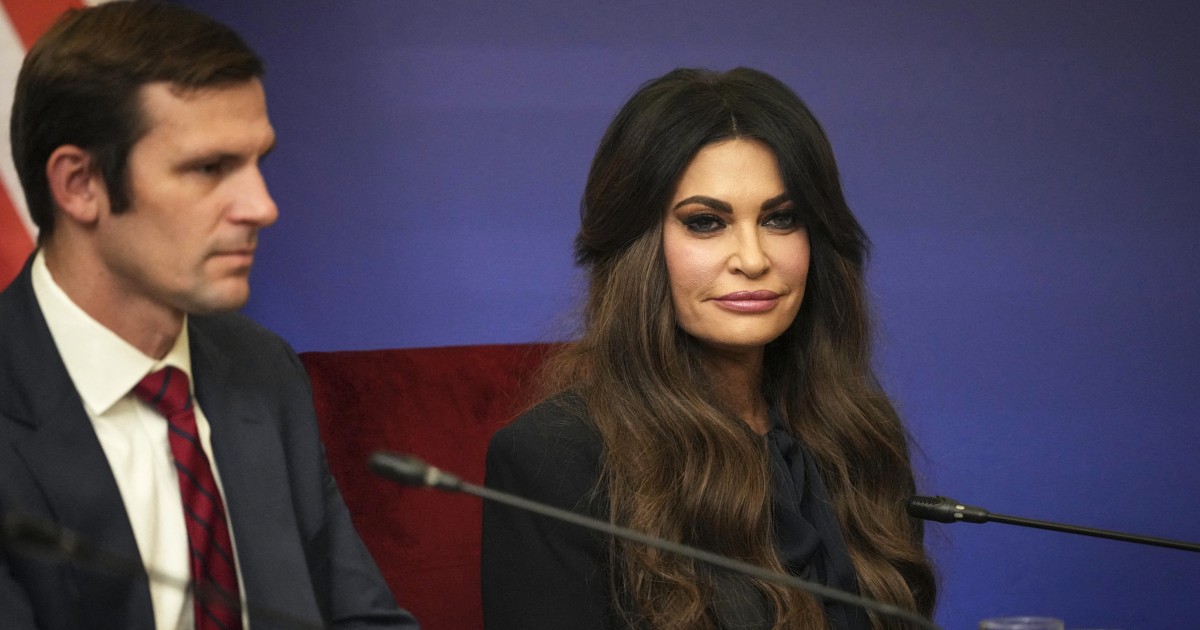
Trump says administration is considering firing ambassador Kimberly Guilfoyle
US archbishop urges Catholic soldiers to avoid planned Hasan execution

Jeff Flake criticizes allegations involving Kimberly Guilfoyle
ABC Says FCC Used Early License Reviews to Pressure Disney Over Its Speech
Trump attacks Ilhan Omar and Abdul El-Sayed at Ohio rally
