

Science & Tech · Cybersecurity · 4 hrs ago
Study finds car apps share drivers’ data with advertising and analytics firms
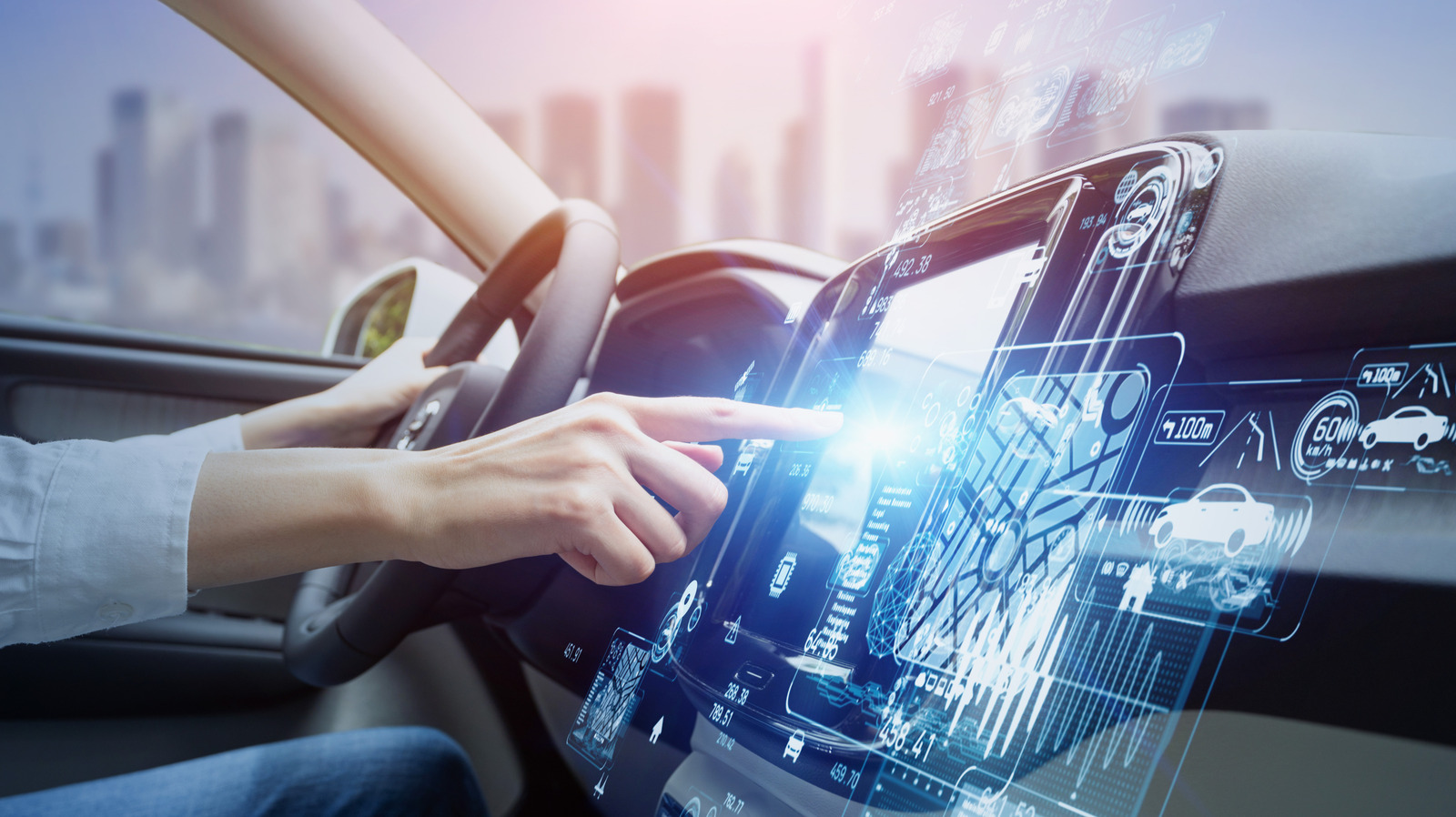
Researchers at Northeastern University tested data traffic from 21 cars and 30 automaker apps between October 2024 and August 2025.
They found that 19 cars sent data to at least one outside company, and 28 apps contacted an advertising or analytics company.
Seven apps sent identifiers such as vehicle identification numbers, email addresses or precise locations to those companies.
The study found that phone apps were the main source of advertising-related data sharing for most cars tested.
A vehicle identification number cannot be reset, so linking it to an email address could help companies connect a car owner’s identity with activity on other apps and websites.
The researchers could not decrypt vehicle traffic, and they captured cellular data only from the Tesla Model 3, so the amounts of data shared may be higher than their findings show.
The testing took place before a January FTC order requiring GM to get express consent before collecting or sharing connected-vehicle data, and the researchers did not allege that GM broke the order; Honda said it asked its analytics provider to delete location data and updated its app to stop sending it.

A Northeastern University study found that many tested cars and automaker apps sent data to advertising or analytics companies.
The researchers tested traffic from 21 late-model cars and 30 automaker apps between October 2024 and August 2025.
Nineteen cars sent data to at least one third party, while 28 apps contacted at least one advertising or analytics company.
Seven apps passed identifiers such as vehicle identification numbers, email addresses or precise locations to those companies.
Automakers that responded said the data flows matched their vendor contracts, and Honda said it asked a firm to delete location data and updated its app.
- Who
- Northeastern University researchers tested the cars and apps. Automakers and third-party advertising and analytics companies were also involved.
- What
- A study found that tested cars and apps sent data to third-party companies, including identifiers and location information.
- When
- The testing took place between October 2024 and August 2025. The article was published on October 11, 2026.
- Where
- The study tested vehicles and automaker apps on Consumer Reports' fleet.
- Why
- Not stated
Study researchers
Automakers
Data sharing
Study researchers
The study found that cars and apps sent data to advertising and analytics companies, including identifiers and location information.
Automakers
Responding automakers said the data flows matched their vendor contracts.
Responsibility
Study researchers
The study found that seven apps passed identifiers to third parties, and that app privacy policies did not name the recipients or explain why data might be shared.
Automakers
Seven manufacturers said owners are responsible for reading and accepting terms for third-party services, while five attributed tracking to web pages opened inside apps.
reduced functionality, serious damage, or interoperability
Researchers tested traffic from 21 late-model cars and 30 automaker apps.
The FTC finalized an order concerning GM's driver data sharing, including a five-year ban on selling driver data to consumer reporting agencies.
- Vehicles tested
- 21
- Automaker apps tested
- 30
- Cars sending data to a third party
- 19
- Apps contacting advertising or analytics companies
- 28
- Apps passing identifiers to advertising or analytics companies
- 7
- Study period
- October 2024–August 2025
Sources
Related news

New characters let lookalike domains bypass some browser checks
Hackers use Bing redirects in Google ads to promote fake Claude installers

Amazon Bedrock flaw exposed AI agent credentials and source code
AhnLab to Enable AI and Internet Access on Research Foundation Work Network

AI system finds 17 security flaws in tests of 50 mobile apps
US seizes two China-linked hacking tools used against critical infrastructure

Canadian cybersecurity negotiator arrested in ShinyHunters investigation
Anthropic offers free AI vulnerability scans to open-source projects

FBI arrests another suspect linked to ShinyHunters jobs-site breach

119 databases from Russian companies published online in first nine months of 2026

AI-assisted attacks hit South Korean financial institutions
