

Business · Economy · 1 hr ago
Indonesia Has 10 to 15 Years to Benefit From Its Demographic Bonus
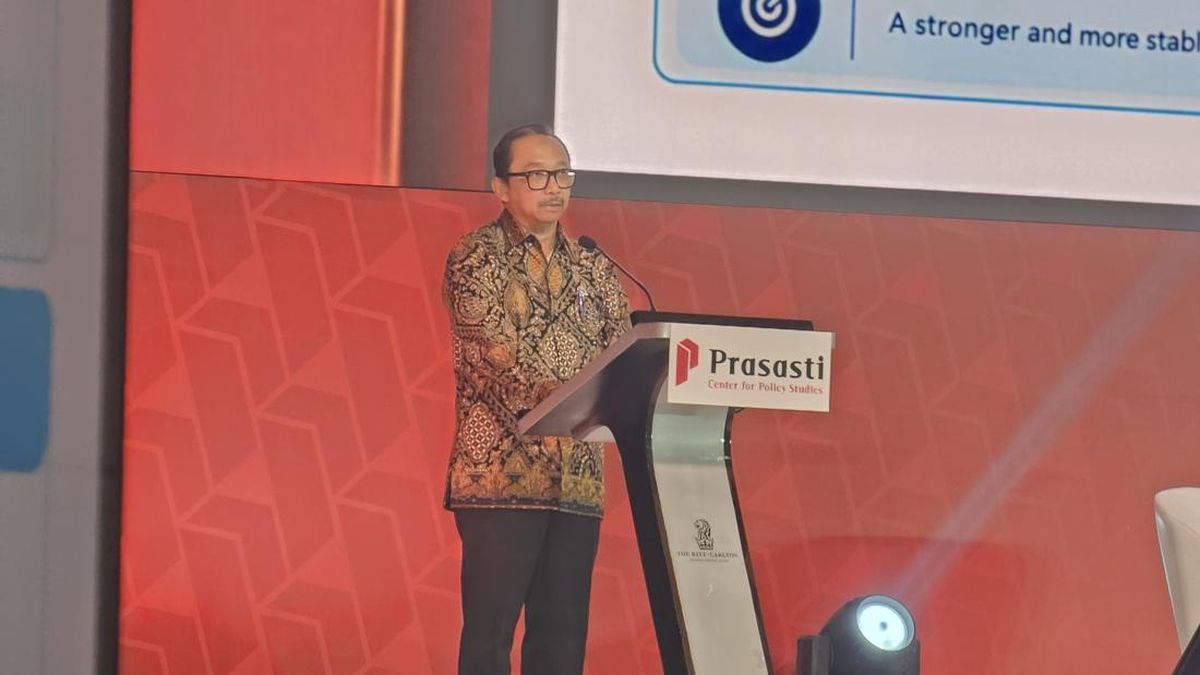
At a policy forum in Jakarta, Deputy Finance Minister Juda Agung warned Indonesia’s demographic opportunity is narrowing.
The country has a large working-age population, young people increasingly connected to technology and a broad domestic market.
Indonesia is in a favorable demographic period in 2026, but a large working-age population does not automatically create economic growth.
That depends on good education, relevant skills, health and enough jobs.
The opportunity could close within 10 to 15 years if job creation lags, workers’ skills do not match employers’ needs or productivity grows slowly.
Juda said Indonesia should avoid becoming an aging country before it becomes wealthy.
The dependency ratio is expected to rise again in 2035–2040 as the older, non-working population grows.
He called for higher worker productivity and companies able to compete in global markets.

Indonesia has 10 to 15 years to use its demographic bonus, Deputy Finance Minister Juda Agung said.
The large working-age population could support economic growth, but it will not automatically produce economic gains.
Juda said education, skills, health and job opportunities must improve to make the most of the period.
He warned that the country could miss its opportunity if job creation lags, skills do not match industry needs or productivity grows slowly.
The dependency ratio is expected to rise again around 2035-2040, increasing the burden on working-age people.
- Who
- Deputy Finance Minister Juda Agung spoke about Indonesia’s demographic bonus.
- What
- Indonesia has an estimated 10 to 15 years to benefit from its large working-age population.
- When
- Juda made the remarks on October 13, 2026.
- Where
- At the Prasasti Indonesia Policy Forum 2026 in South Jakarta.
- Why
- The demographic opportunity will not last indefinitely, and using it could help Indonesia become a high-income country before its population ages.
This story does not have two clearly opposing sides.
Juda said Indonesia remained in the golden period of its demographic bonus.
The dependency ratio is expected to rise again as the population of older, non-working people grows.
Juda said working-age people would have to support a greater burden of non-working people.
- Opportunity window
- 10 to 15 years
- Speaker
- Juda Agung
- Forum
- Prasasti Indonesia Policy Forum 2026
- Dependency ratio
- Expected to rise again around 2035-2040
- Economic growth target
- 8%
2 sources
Related
Indonesia targets 18% government revenue-to-GDP ratio within three years
52 mins ago · 4 sources

Fuel queues in Bali linked to tanker delay and higher demand
2 hrs ago · 2 sources

Indonesia Removes Two Companies From High Shareholding Concentration List
48 mins ago

Jakarta Stock Index Falls as Foreign Investors Buy Indonesian Shares
1 hr ago

What people are saying
The demographic bonus does not automatically become an economic bonus. A large working-age population will only be an advantage if they have adequate education, skills, health and job opportunities.
If job creation lags, skills do not match needs, and productivity grows slowly, then the golden-period opportunity will be missed.
So, we must use this opportunity of the demographic bonus to increase workforce productivity and build companies that can compete in global markets.
In around 10-15 years, Indonesia still has the opportunity to make use of the demographic bonus with a large workforce, a young generation increasingly connected to technology, and a broad domestic market.