Health · Medical Research · 11 hrs ago
Restoring brain protein improved several signs of aging in mice
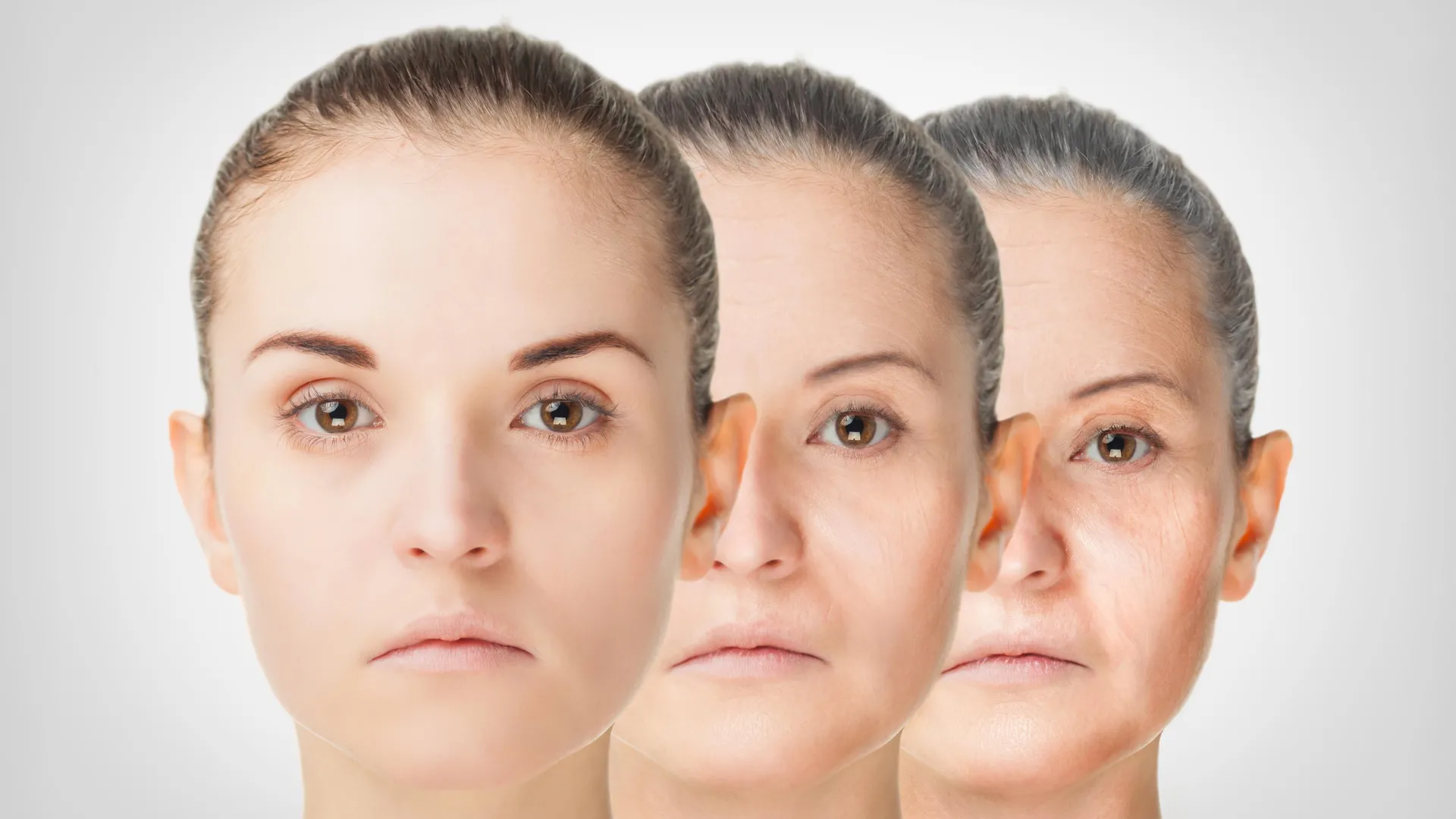
Researchers led by Lige Leng at Xiamen University studied how aging affects mice.
They found that levels of Menin, a protein in part of the brain called the hypothalamus, declined with age.
The hypothalamus helps regulate functions such as metabolism and hormone production, which affect the rest of the body.
In older mice, increasing Menin in a specific area of the hypothalamus led to better memory, balance, bone mass and skin thickness after 30 days.
The researchers also found that giving mice a naturally occurring amino acid improved learning and memory in three weeks.
These results suggest that changes in the brain may contribute to some effects of aging, but the experiments were done in mice.
The findings do not show whether either approach would benefit people.

Restoring the brain protein Menin improved memory, balance, bone mass and skin thickness in older mice within 30 days.
The researchers also found that Menin levels declined with age in certain neurons in the hypothalamus.
Mice with reduced Menin activity showed more brain inflammation, thinner skin, lower bone mass and worse cognitive performance.
A naturally occurring amino acid improved learning and memory in mice in three weeks, but the article says the findings need careful interpretation.
- Who
- Researchers led by Lige Leng of Xiamen University studied mice.
- What
- Restoring Menin improved several signs associated with aging in older mice.
- When
- Improvements were measured 30 days after treatment; the findings were originally published in March 2023.
- Where
- In mice, with Menin restored in a specific part of the hypothalamus.
- Why
- Researchers investigated whether the age-related decline in Menin contributes to inflammation and other changes associated with aging.
This story does not have two clearly opposing sides.
No direct quotes in the coverage so far.
The findings were originally published in PLOS Biology.
Older mice that received increased Menin production showed improvements in skin thickness, bone mass, learning, memory and balance.
- Protein
- Menin
- Treatment period
- 30 days
- Mice receiving treatment
- 20-month-old mice
- Research lead
- Lige Leng
- Institution
- Xiamen University, China
Sources
Related news

Pope Leo to have surgery to remove an early-detected lung nodule

What helps manage knee osteoarthritis?
Pope Leo XIV to have surgery to remove early-stage lung nodule

Migraine drug exposure linked to 40% higher miscarriage risk in study

Ageing is cancer’s leading risk factor, and care for older adults is limited

Diet and exercise program led to diabetes remission in 54% of trial participants

Joint pain supplement linked to Cushing’s syndrome in one man

Pope Leo XIV to have surgery to remove early-stage lung nodule

Nearly 59% of English adults with high blood pressure were unaware, study finds

MASH can cause serious liver damage if not detected and treated early

Imaging Measure May Help Flag Poor Recovery After Successful Stroke Thrombectomy