Health · Medical Research · 4 hrs ago
Daily Walnuts Linked to a Less Inflammatory Diet in Older Adults
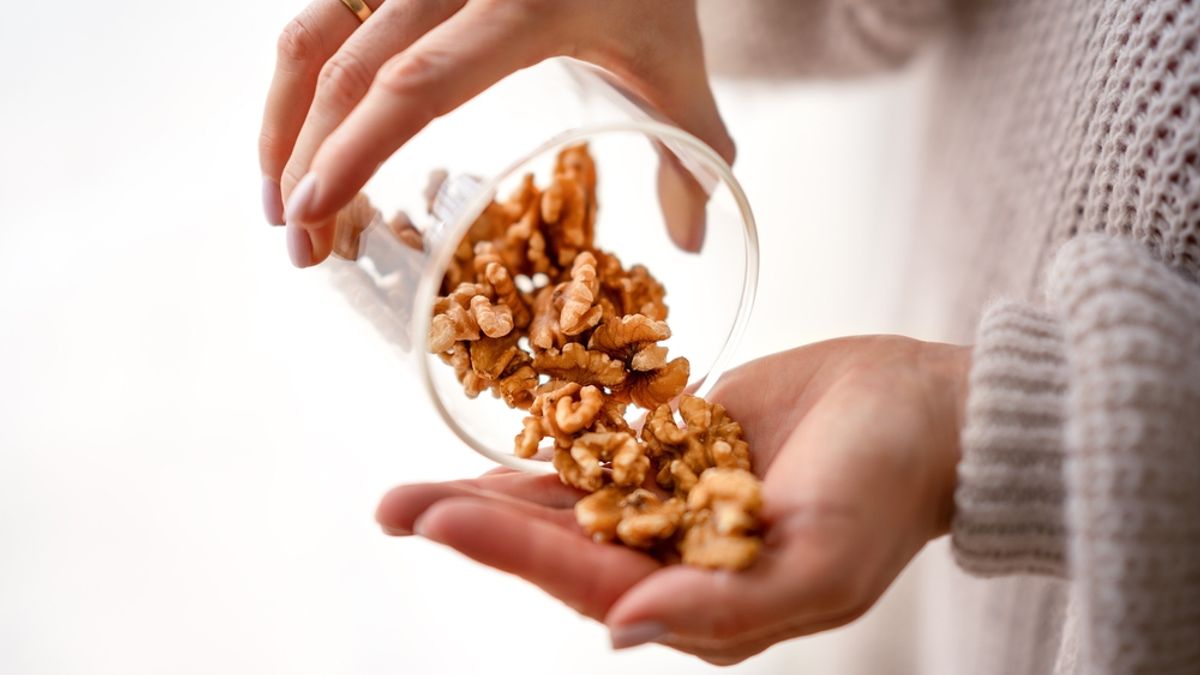
A two-year study linked daily walnuts with a less inflammatory diet in older adults.
It involved 319 people in Loma Linda, California, taking part in a larger study on walnuts and healthy aging.
One group added about 30 to 60 grams of walnuts a day, while the comparison group avoided walnuts and limited other nuts.
The walnut group had modestly lower diet scores at the end of the study.
Those scores estimate the inflammatory potential of a person’s overall diet; they do not show that inflammation in the body fell or that disease was prevented.
Earlier research in the same broader trial found reductions in some blood inflammation markers associated with daily walnut consumption.
Walnuts can be added to meals or eaten as a snack, but the findings suggest a possible dietary benefit, not a cure.

Older adults who ate walnuts daily had diets with slightly lower estimated inflammatory potential after two years, a study found.
The study involved 319 older adults in Loma Linda, California, who were part of the Walnuts and Healthy Aging trial.
Participants in the walnut group added about 1 to 2 ounces of walnuts to their daily meals, while the comparison group avoided walnuts and restricted other nuts.
Researchers calculated Dietary Inflammatory Index scores from participants’ reports of what they ate and drank.
The score estimates the inflammatory potential of a diet; it does not show whether a person’s inflammation fell or whether they will avoid disease.
- Who
- 319 older adults participating in the Walnuts and Healthy Aging trial.
- What
- Researchers found that the group assigned to eat walnuts daily had modestly but statistically significantly lower Dietary Inflammatory Index scores after two years.
- When
- Over two years; the article was published on October 13, 2026.
- Where
- Loma Linda, California.
- Why
- The study examined the estimated inflammatory potential of the participants’ diets.
This story does not have two clearly opposing sides.
One group was assigned to add about 1 to 2 ounces of walnuts to daily meals, while the comparison group avoided walnuts and restricted other nuts.
Participants reported what they had eaten and drunk during the preceding 24 hours on five occasions.
The walnut group had modestly but statistically significantly lower Dietary Inflammatory Index scores than the comparison group.
- Participants
- 319 older adults
- Study location
- Loma Linda, California
- Walnut serving
- About 1 to 2 ounces, or 30 to 60 grams, daily
- Study duration
- Two years
- Diet reports
- Five occasions during the study
What people are saying
The important message is that incorporating walnuts into the diet was associated with a shift toward a less inflammatory dietary pattern. This illustrates how a relatively simple food choice can contribute to the overall quality of the diet,
This study highlights a simple and accessible step people can take as they pursue more inclusive and sustainable approaches to healthier lifestyles,
Some people crush walnuts and add them to a salad. Others add them to their breakfast cereals. But the simplest way might be eating a handful of walnuts as a snack each day, specifically replacing the snack foods that are full of sugar and refined carbohydrates,
Sources
Related news

Pope Leo XIV diagnosed with lung cancer after surgery in Rome

Davina McCall describes severe memory loss after brain tumour surgery

Blocking an immune pathway protected brain tissue in mice with tau buildup

Study finds body changes begin years before the last menstrual period

Daily egg intake linked to lower Alzheimer’s risk in older adults

Studies find more cancer diagnoses among people under 50

Science Corporation implants vision chip in first Stargardt disease patient

Two studies raise concerns about Ozempic, Mounjaro and hair and nails

Meat-derived sugar linked to higher diabetes risk in French study

Lola Weippert says doctors found a tumour in her right breast

Greater gut bacteria diversity linked to lower frailty in older women