Politics · India · 1 hr ago
Villagers protest India’s Ken-Betwa river-linking project over flooding and compensation
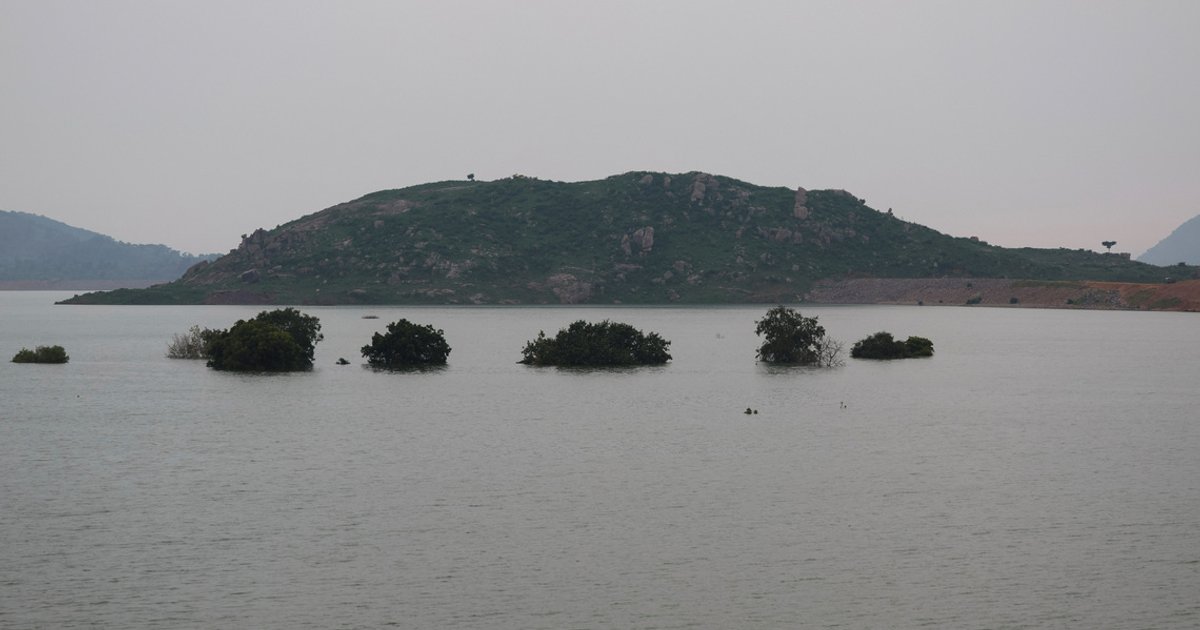
Hundreds of tribal residents in Madhya Pradesh are protesting a project to link the Ken and Betwa rivers.
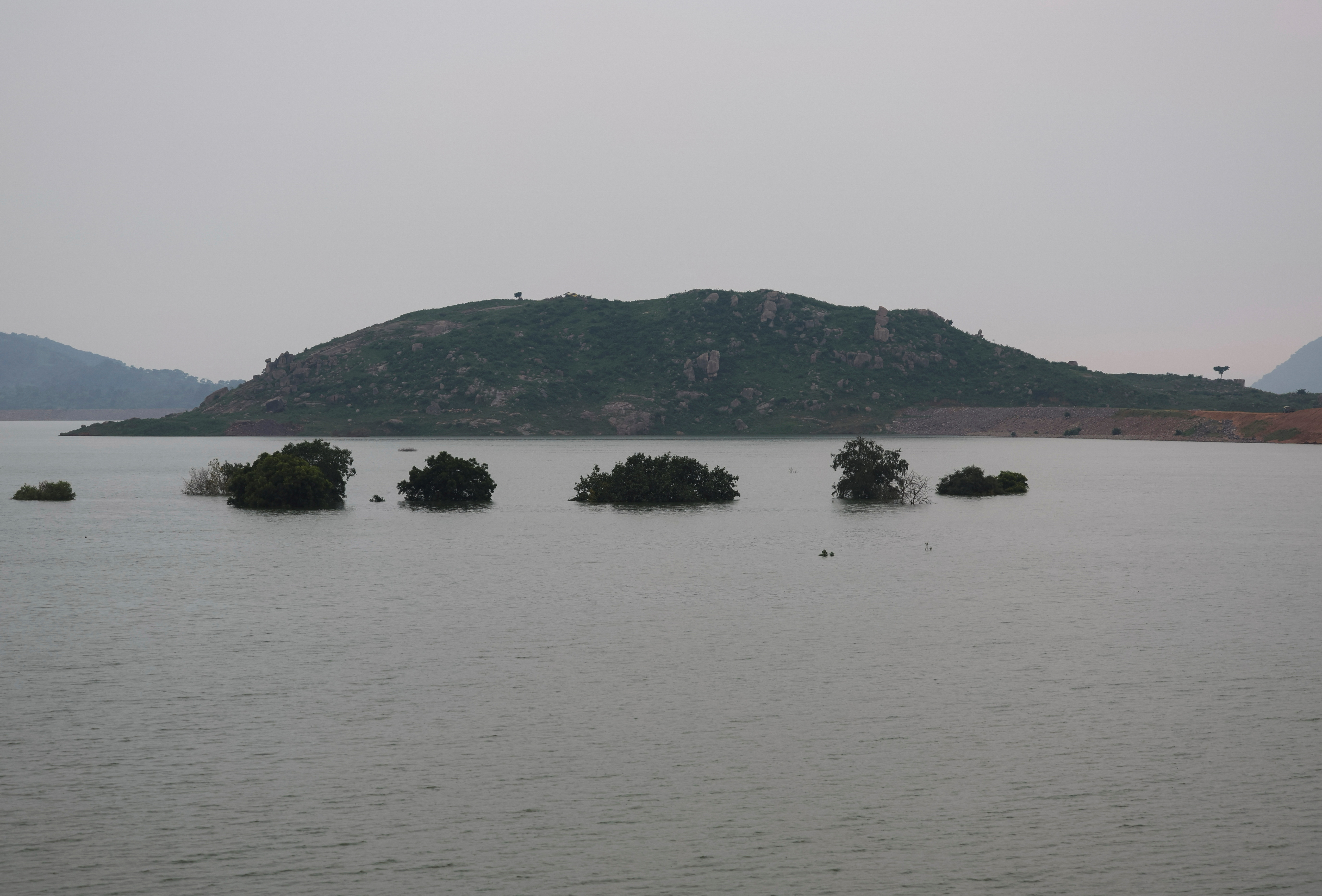
They say rising water from the work has flooded homes and a temple, and they want better compensation before leaving their ancestral land.
The Ken-Betwa link is the first phase of a wider plan to connect about 30 rivers across India.
The government says the project will bring irrigation, drinking water and hydropower to the water-scarce Bundelkhand region.
Officials say more than 90% of affected people have received compensation, but some residents say the payments do not cover all their losses.
The project is expected to inundate about 9,000 hectares, including part of the Panna Tiger Reserve, and critics warn of harm to communities and wildlife.
The government says the environmental effects can be reduced, while some critics question whether the water-transfer plan is based on sound assumptions.

Hundreds of tribal residents are protesting flooding and compensation linked to India’s Ken-Betwa river-linking project.
The project has flooded homes and a temple in villages along the Ken River, residents say.
The government has offered at least 1.25 million rupees per hectare and says it has paid more than 90% of residents.
The project’s supporters say it will help address water scarcity, while critics warn of displacement and environmental damage.
The Ken-Betwa link is the first phase of a plan to connect about 30 rivers across India.
- Who
- Hundreds of tribal residents, including Bitti Bai Kondar, are protesting. The government and project officials are also involved.
- What
- Villagers are protesting flooding and what they say is inadequate compensation for the Ken-Betwa river-linking project.
- When
- The report was published on Oct. 12, 2026. The protest date is not stated.
- Where
- Along the Ken River in Panna district, Madhya Pradesh, including near Ajaygarh.
- Why
- Residents say rising water has flooded homes and a temple, and compensation does not cover their losses. The project aims to transfer water to drought-prone regions.
Protesting residents and environmental critics
Indian government
Compensation
Protesting residents and environmental critics
Residents say payments do not cover their losses and are not enough to rebuild their lives.
Indian government
The government has offered at least 1.25 million rupees per hectare, and a district administrator said compensation had been paid to more than 90% of people.
Effects of the project
Protesting residents and environmental critics
Critics say the project risks uprooting communities and damaging fragile ecosystems.
Indian government
The government says the project will address chronic water scarcity and that environmental impacts can be mitigated.
Project feasibility
Protesting residents and environmental critics
Himanshu Thakkar said the project’s assumption of surplus water in the Ken basin and a deficit in the Betwa basin has not been conclusively established.
Indian government
A government spokeswoman referred to a statement saying the project would provide irrigation, drinking water and hydropower.
The government is taking our land and water without giving us another place to live
The temple was my only source of income and now it is gone
That presumption has never been conclusively established
A government statement said the project would help address chronic water scarcity in the Bundelkhand region.
The Straits Times published its report on villagers protesting flooding and compensation linked to the project.
- Overall project cost
- US$87 billion
- Ken-Betwa link cost
- About US$4.6 billion
- Compensation offer
- At least 1.25 million Indian rupees per hectare
- Compensation paid
- More than 90% of people, according to the district administrator
- Planned dam
- Daudhan Dam, 2km long
- Land expected to be inundated
- About 9,000ha, including part of Panna Tiger Reserve
Sources
Related news

Karnataka chief minister to lead Congress legislators in Delhi protest over voter rolls
Muezzin arrested over alleged loudspeaker noise violation in Uttar Pradesh
Akhilesh Yadav rejects Yogi Adityanath’s Ayodhya election challenge
IAF chief flies final Tejas sortie before retirement
Panel urges annual audits and stronger safeguards for India’s entrance exams
Modi unveils ₹13,000 crore projects and Chennai Metro stretch
India changes boarding procedures after Delhi immigration lapse
Protests over voter-roll revision continue in India’s capital
Supreme Court stresses lawful detentions as Delhi protests continue

Maharashtra MPSC protesters end 10-day agitation after inquiry committee formed
Villagers protest India’s $87 billion river-linking project as waters rise