Business · Economy · 2 hrs ago
Egg prices in Japan match record high as feed costs rise
Egg prices in Japan remain high, with a nationwide survey putting the average price of 10 eggs at 309 yen in September, matching a record.
Higher costs for imported animal feed are a major reason, and a weaker yen and tensions in the Middle East are among the factors behind a further feed-price increase.
The higher costs are affecting shoppers and retailers, while egg demand usually peaks around Christmas.
Japan has had avian influenza outbreaks in each of the past six seasons, and an outbreak this winter could cause shortages and push prices higher.
In the 2022 season, the culling of a record 17.71 million birds triggered shortages that led some businesses to suspend sales or stop making egg products.
Producers and companies are exploring greater use of frozen eggs and ways to share storage costs, with recommendations planned by March 2027.
The Agriculture Ministry is also considering vaccination, while companies are diversifying suppliers and aiming to expand liquid egg production.

Japan’s average retail price for a carton of 10 mixed-size eggs reached 309 yen, matching the highest level on record.
Higher imported animal-feed costs are a major factor keeping egg prices elevated.
A potential avian influenza outbreak could cause shortages and push prices higher as winter demand approaches.
The feed cooperative has raised prices for four consecutive quarters, citing Middle East tensions and the weakening yen.
Industry groups and companies are exploring measures to stabilise supplies, including wider use of frozen eggs.
- Who
- Egg producers, retailers and consumers in Japan are affected. The Agriculture, Forestry and Fisheries Ministry reported the record-high price.
- What
- A carton of 10 mixed-size eggs averaged 309 yen, matching the highest level on record.
- When
- The price survey was conducted from Sept 7 to Sept 9. A Tokyo supermarket price was reported on Oct 5.
- Where
- Japan; the supermarket example was in Tokyo’s Nerima ward.
- Why
- Higher imported feed costs are a major factor. Officials also fear avian influenza could reduce supply.
This story does not have two clearly opposing sides.
We lose money on eggs throughout the year
I used to buy eggs at least once a week, but they’ve gotten so expensive lately that I don’t buy them as often
Effective measures should be pursued
Japan has experienced avian influenza outbreaks for six consecutive seasons.
A record 17.71 million birds were culled, triggering an egg shock.
Kewpie has purchased imported eggs from Brazil even when domestic supplies are stable.
A nationwide survey of 470 stores found the average price of a carton of 10 mixed-size eggs was 309 yen.
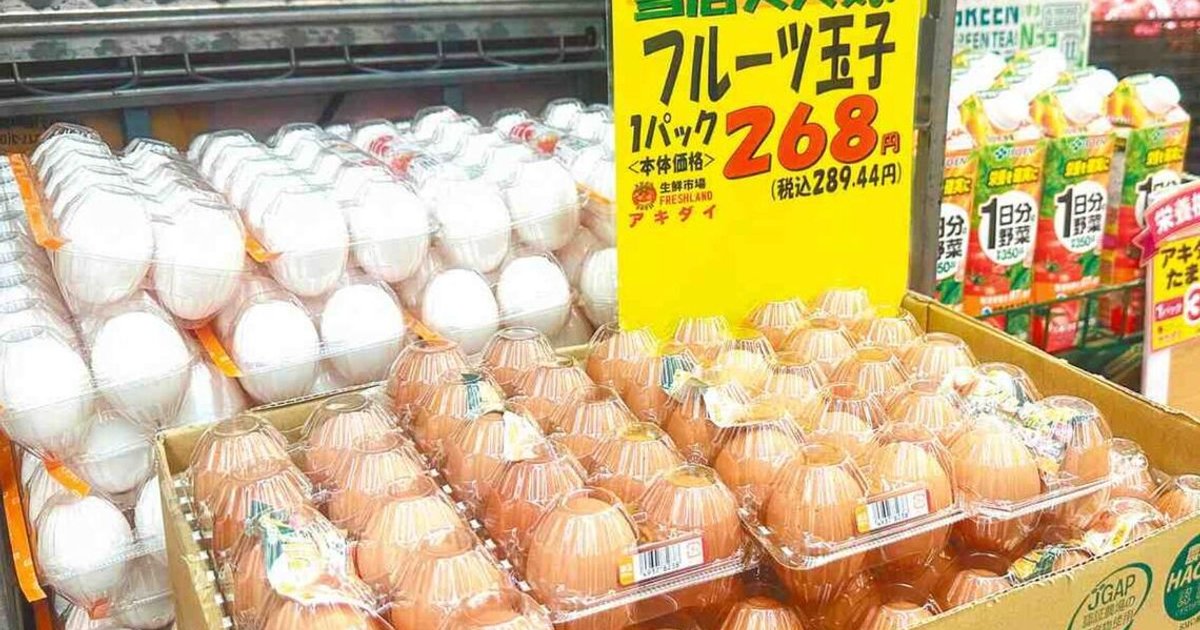
A Tokyo supermarket was selling a carton of 10 medium-size eggs for 268 yen before tax.
The agricultural cooperative decided to raise feed supply prices by an average of about 3,200 yen per tonne.
- Average egg price
- 309 yen per carton of 10 mixed-size eggs
- Survey
- 470 stores nationwide, Sept 7–9
- Feed price increase
- About 3,200 yen per tonne for the October–December quarter
- Previous outbreaks
- 17.71 million birds culled in the 2022 season
- Frozen egg recommendations
- Planned during the fiscal year ending in March 2027
Sources
Related news

Japan urges oil stockpiling as Middle East risks rise
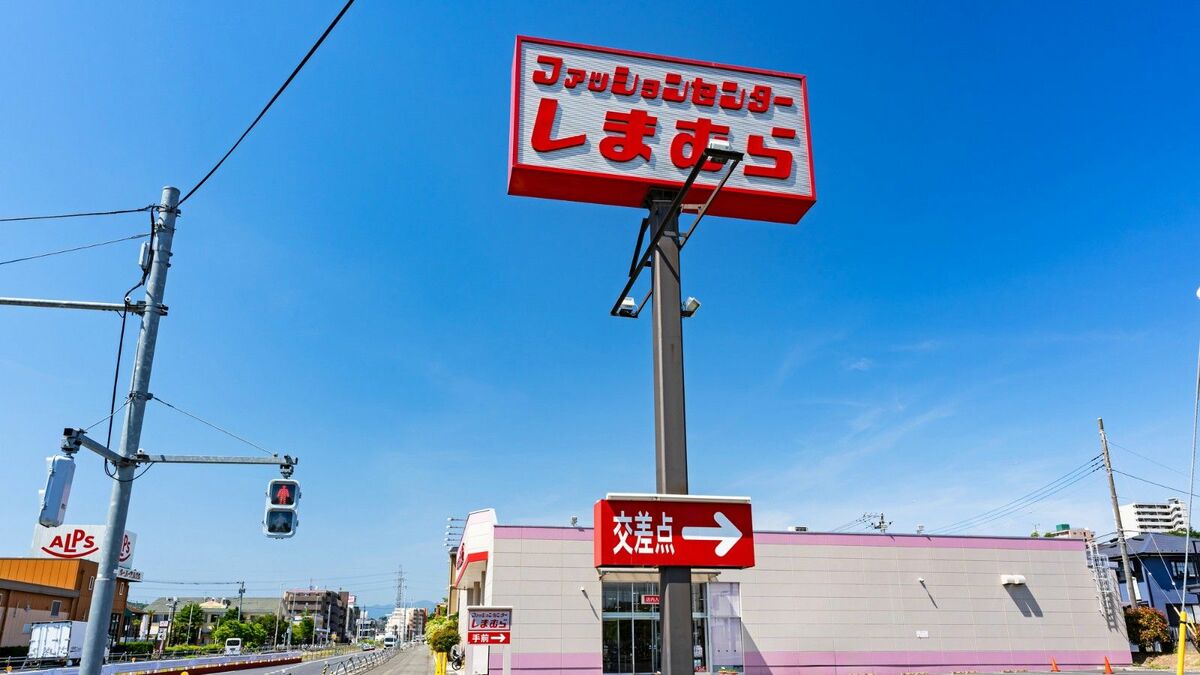
Shimamura posts record first-half results despite summer weather disruptions

Toyota develops wheelchair that fits in a car’s front passenger seat position

Former iPhone display plant in Japan to make chip packaging substrates
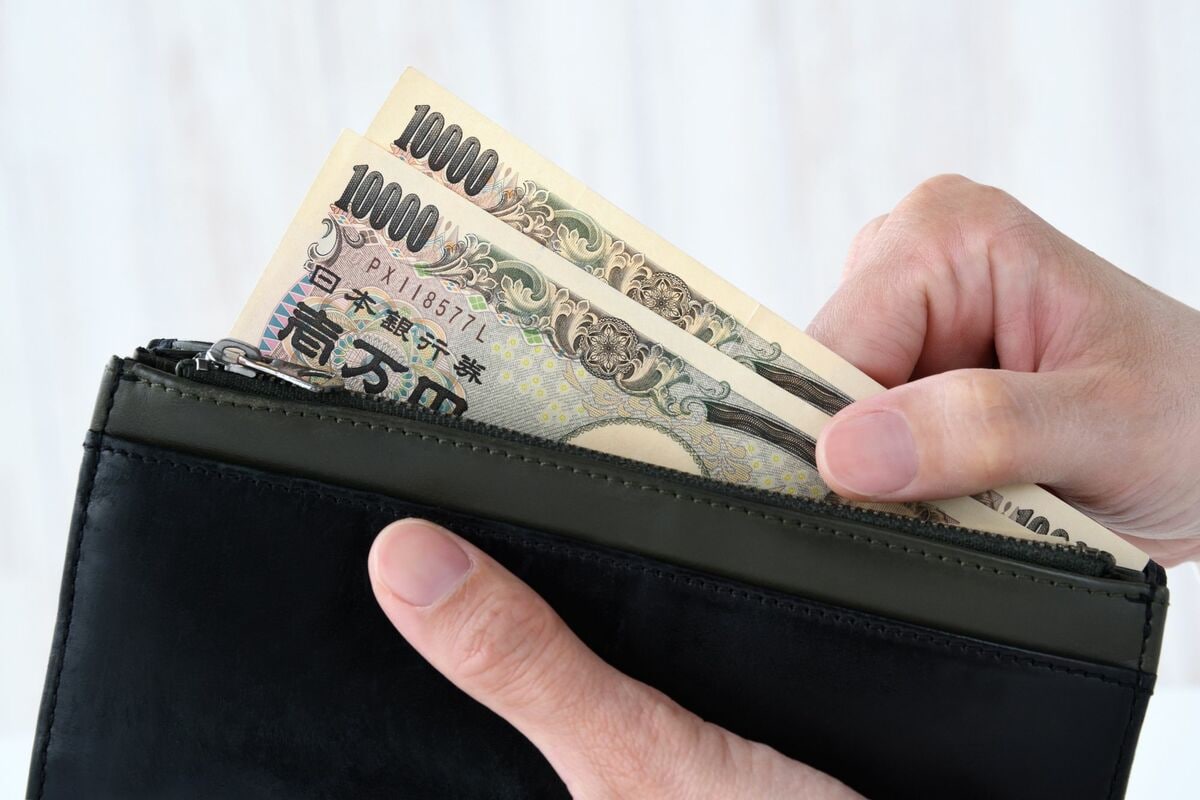
Takafumi Horie argues cash users may miss rewards and save less time

Toho Gas grows Shine Muscat grapes as it expands beyond energy

Japan cruise companies target younger travellers with shorter, cheaper trips
Two themes may shape Japan’s stock market this autumn

Japan orders Prudential Life to suspend sales of new policies

Japanese brewer creates wobbly glass to encourage drinking water with beer
Kugahara in Tokyo’s Ota Ward has a long history as an upscale residential area