Business · Markets · 1 day ago
Investors face a shift to higher interest rates after decades of cheap money

Interest rates fell for about four decades, encouraging investors to put more money into stocks and less into bonds.
Now, inflation, government borrowing and private investment needs are helping keep bond yields higher.
The shift affects investors in Canada and elsewhere, after years when low rates made borrowing cheap and bonds offered little return.
More than half of Canada’s financial assets are now in equities and investment funds, according to Statistics Canada.
Canadian households added $275-billion in stocks in the year to the end of the second quarter, while bond holdings remain below traditional levels.
Stocks can help build wealth over the long term, but a portfolio concentrated in them carries more risk.
Investors are being urged to adjust to the new conditions, though the story does not specify what changes they should make.

Interest rates fell for roughly four decades, but the article says the pressures pushing them down have lifted.
Inflation, deglobalization and competition for scarce capital are contributing to a new environment of higher bond yields.
Investors remain heavily weighted toward stocks and have largely shunned bonds, leaving many unprepared for the change.
More than 50 per cent of financial assets in Canada are held in equities and investment funds, according to Statistics Canada.
Canadian households added $275-billion worth of stocks in the past year, according to Statistics Canada data through the second quarter.
- Who
- Investors, including Canadian households, are facing a change in interest-rate conditions.
- What
- The long period of falling rates is giving way to higher bond yields, and investors may need to adjust portfolios heavily weighted toward stocks.
- When
- After roughly four decades of falling rates; the article was published on October 10, 2026.
- Where
- Globally, with Canadian and U.S. investment portfolios discussed.
- Why
- The article cites inflation, deglobalization, heavy government borrowing and growing private investment needs.
This story does not have two clearly opposing sides.
Higher yields are here to stay for a reason
Sticky inflation, heavy government borrowing and growing private investment needs give little reason for pressure on yields to fade.
After the financial crisis, I spent a decade convincing investors they needed to take more risk. Now I have to convince people to take less risk
Interest rates headed steadily downward, conditioning investors to cheap money.
Easy-money policies and stagnant investment defined the global economy, the article says.
Canadian mutual funds held more than $2.5-trillion, according to the Securities and Investment Management Association.
Canadian households added $275-billion worth of stocks to their holdings, according to Statistics Canada data.
- Rate decline
- Roughly four decades
- Canadian financial assets
- More than 50 per cent held in equities and investment funds
- Canadian mutual funds
- More than $2.5-trillion at the end of last year
- Direct bond-fund holdings
- 13 per cent of Canadian mutual funds
- Canadian household stock purchases
- $275-billion in the past year, through the second quarter
Sources
Related news

Bond Selloff Could Reduce Need for Central Bank Rate Hikes

VW chief urges France and Germany to work together on China car competition
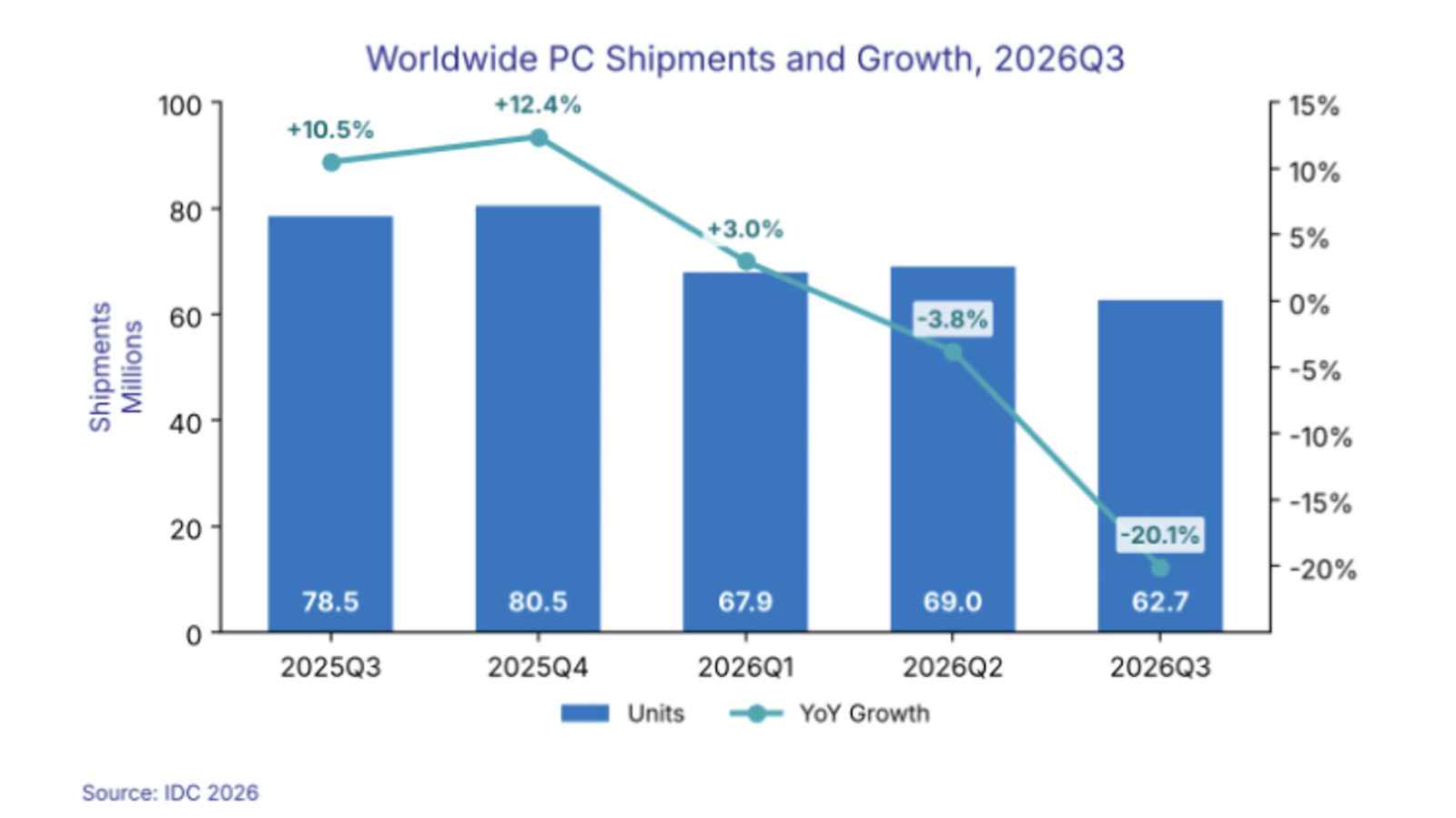
Global PC shipments fell 20% in the third quarter of 2026

IMF and World Bank to warn central bankers of gathering storm

IEA urges members to consider releasing more diesel from strategic reserves

Stellantis plans affordable small EVs to revive its European business
Globalization Expands Despite a Decade of Political Pushback

Volkswagen chief backs EU plan to support European industry

Tesla renames its European driver-assistance system after regulator criticism

SoftBank seeks up to $100 billion from Gulf investors for AI