

World · Middle East · 19 mins ago
Iranian leaders say US midterm results reject Trump’s war policy
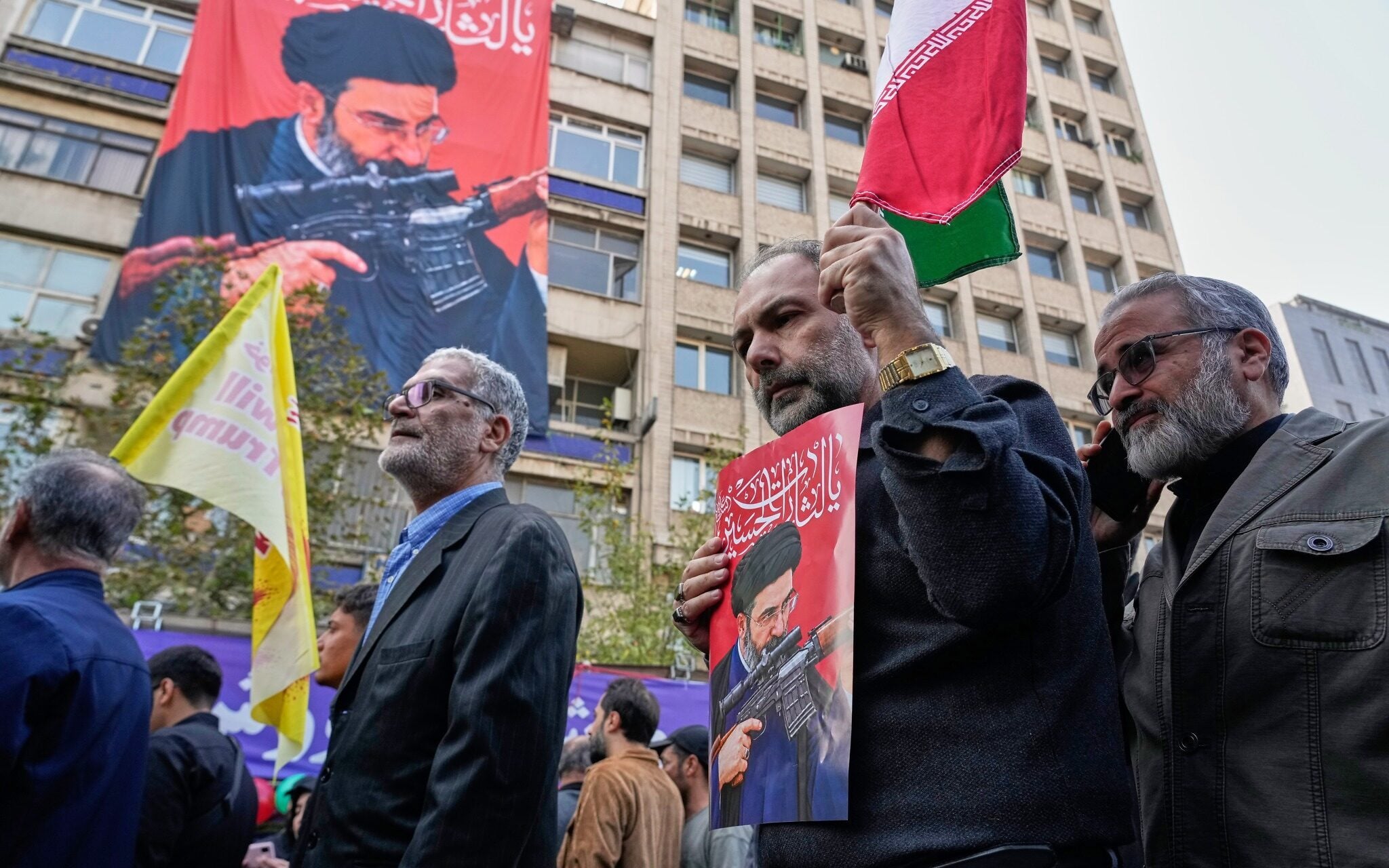
Iranian leaders portrayed Democrats’ gains in the US midterms as a rejection of the war against Iran.
The war began on February 28 with US and Israeli strikes, and the two sides have since traded blows and reached a stalemate.
Supreme Leader Mojtaba Khamenei said hopes for a change in US policy were mistaken, even after the election shifted political power in Washington.
He has communicated through written statements and has not appeared publicly since taking power in March.
Iran’s officials said the results showed Americans opposed the war, pointing to concerns including rising living costs and fuel prices.
Analysts said the result could make Iran less willing to compromise on its demands, including on nuclear issues.
The election does not rule out further US strikes, and President Donald Trump has said he has not decided whether to attack.
Diplomatic efforts to avert renewed fighting are continuing, after a June agreement quickly unravelled.

Iranian leaders portrayed Democrats’ gains in the US midterm elections as a rejection of President Donald Trump’s war policy.
Democrats won control of both chambers of Congress in Tuesday’s vote, according to Africanews.
Parliament Speaker Mohammad Bagher Ghalibaf said Americans had voted against war and warned Washington not to ignore public opinion.
Supreme Leader Mojtaba Khamenei said hopes for a change in US policy were mistaken.
Analysts said the election result could increase pressure to end the war but would not rule out further US strikes.
- Who
- Iranian leaders, including Mohammad Bagher Ghalibaf and Mojtaba Khamenei, reacted to the US election results.
- What
- They framed Democrats’ gains as a rejection of Trump’s war policy, while Khamenei dismissed hopes of a shift in US policy.
- When
- Wednesday, November 4, 2026, after Tuesday’s US midterm elections.
- Where
- Iran and the United States; Iranian officials made statements from Iran.
- Why
- Iranian leaders said the results reflected US voters’ opposition to the war; reports cited concerns about the war and rising living costs.
Iranian leaders
US President Donald Trump
War policy
Iranian leaders
Ghalibaf said Americans had voted against war and warned Washington not to disregard public opinion.
US President Donald Trump
Trump has discussed the possibility of attacking Iran but said he had not made a decision, according to Al Jazeera.
Prospects for a US policy shift
Iranian leaders
Khamenei said hopes that US partisan changes would alter its hostility toward Iran were mistaken.
US President Donald Trump
Not stated
The US and Israel launched the war against Iran, according to Al Jazeera and Times of Israel.
Iran and the United States agreed to a memorandum of understanding that quickly unraveled, according to Times of Israel.
Democrats won control of Congress in the US midterm elections, according to AP and Africanews.
Iranian leaders reacted to the election results, with Ghalibaf and Khamenei making statements.
- Election result
- Democrats won control of both chambers of Congress, according to Africanews.
- Iranian speaker
- Mohammad Bagher Ghalibaf
- Supreme leader
- Mojtaba Khamenei
- War start date
- February 28
- Election date
- Tuesday, November 3, 2026
5 sources
In Iran feste in strada per la sconfitta di Trump, ma Khamenei frena: «L’America non cambia». Le aperture di Pechino
Iranians cheer Trump setback in US election
Iran's leaders say midterm results show voters have rejected Trump's war
Iranian leaders welcome US midterms, but Trump may still attack
Iran’s Khamenei says any hopes for US policy shift after midterms ‘seriously mistaken’
What people are saying
Americans said NO TO WAR, and we endorse this message.
Those who still harbor even the slightest hope that the behavior of the hegemonic system might change through partisan or factional shifts, or who imagine that making concessions to the United States can dissuade it from hostility towards the Iranian nation, are seriously mistaken
Trump was defeated in both war and politics
He needs a diplomatic victory or at worst an off-ramp, yet in the face of defeat he may be reluctant to appear weak.