Health · Mental Health · 1 day ago
Women caring for children and ageing parents face a sustained double burden
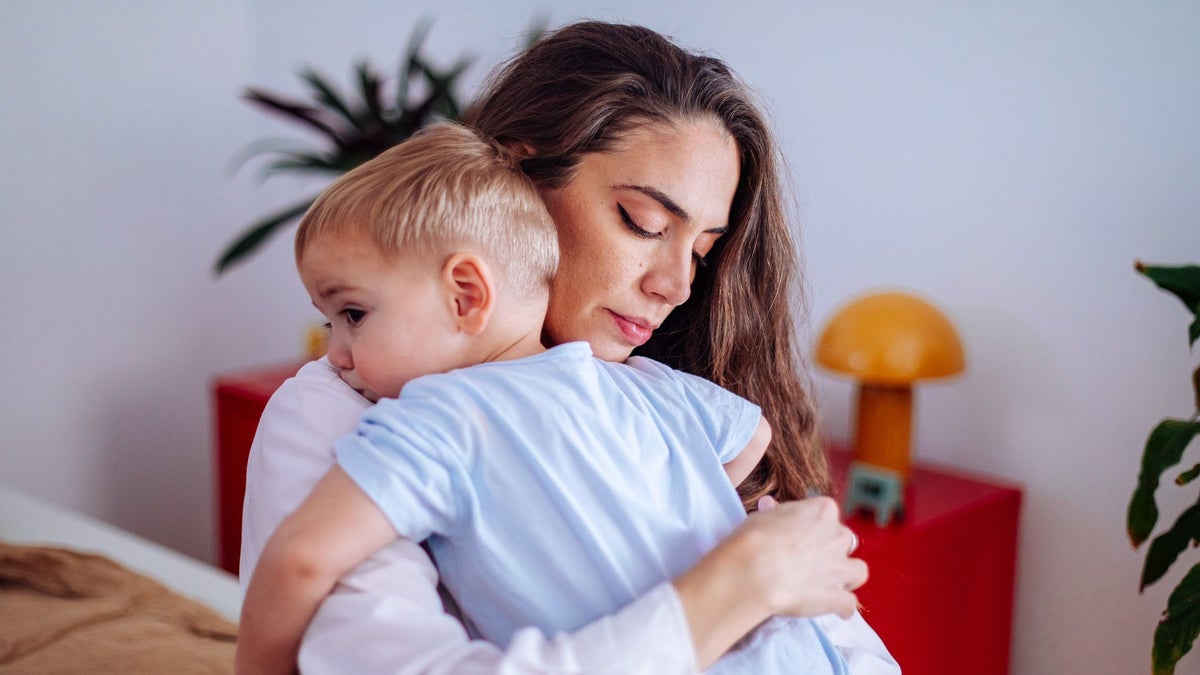
Sandwich caregivers are people raising children while also supporting parents who are ill, dependent or losing independence.
The term describes being between two generations that need care, not only a role held by women.
In Spain, care work is still largely done by women, and much of it involves planning, appointments and paperwork as well as hands-on help.
A study published in 2025 found that starting to care for an older relative while raising children was linked to poorer mental health for several years.
The link was stronger among people who spent more than 20 hours a week on care, and intensive care was also linked to poorer physical health.
A 2023 US study found that sandwich caregivers spent as much time caring for parents as caregivers without young children, while those with jobs did not reduce their work hours.
Caring can bring closeness and meaning, but carrying both responsibilities with little support can leave caregivers exhausted and with little time to recover.

Women caring for children while supporting ageing parents can face a sustained double burden.
Psychologist Olga Albaladejo Juárez says the sandwich generation includes people whose children still need care while their parents need help because of illness, dependency or loss of autonomy.
Care work can also involve planning appointments, arranging cover and anticipating needs, leaving carers feeling they must always be available.
A 2025 study cited in the article found that taking on care for an older relative while raising children was associated with poorer mental health for several years.
The article says intensive care was associated with greater deterioration in physical health, while care can also bring affection, closeness and meaning.
- Who
- Women caring for children and ageing parents; the article notes that this situation is not exclusive to women.
- What
- The article describes the pressures and health effects of caring for two generations at once.
- When
- The article was published on October 11, 2026. It also cites research published in 2023 and 2025.
- Where
- Not stated.
- Why
- Children still need care while parents may need help because of illness, dependency or loss of autonomy.
This story does not have two clearly opposing sides.
The wellbeing of the children should not depend on one person managing to do everything.
Sometimes, what weighs most is feeling that you can never stop being available. The responsibility continues even when the task is over.
Affection and exhaustion can coexist: feeling overwhelmed does not mean loving your family less.
Dorothy A. Miller described the sandwich-generation situation in an article published in Social Work.
A US study by Lei and colleagues found that sandwich caregivers spent as much time caring for their parents as people without young children.
A study published in Public Health found that starting to care for an older relative while raising children was associated with mental-health deterioration lasting several years.
Hola published its article about women caring for children and ageing parents.
- Article publication
- October 11, 2026
- Term history
- Dorothy A. Miller described the situation in 1981
- Research on caregivers
- Lei and colleagues published a US study in 2023
- Longitudinal study
- Published in Public Health in 2025
- Higher care hours
- Mental-health effects were more marked among those spending over 20 hours a week caring for a relative
Sources
Related news

Why many young people prefer texts to unexpected phone calls

Video Offers Tips for Better Mental Well-Being

Psychology explores why people overlook concerns about eating animals

Psychologist says lasting changes in mood and behavior should be recognised

Essay argues constant access to answers may weaken curiosity

Four-minute comedy clip linked to lower stress in small adult study

Psychologist compares wartime hatred to a failure to see human value

Essay describes how people-pleasers and “pleaders” shape relationship conflicts

Porn Can Create Unrealistic Expectations About Real-Life Sex

Childhood abuse and brain injury shaped Christa Pike’s early life

A Dog’s Breathing Crises Raise Questions About When to Say Goodbye