

Business · Companies · 9 hrs ago
Germany weighs the cost of keeping its steel industry
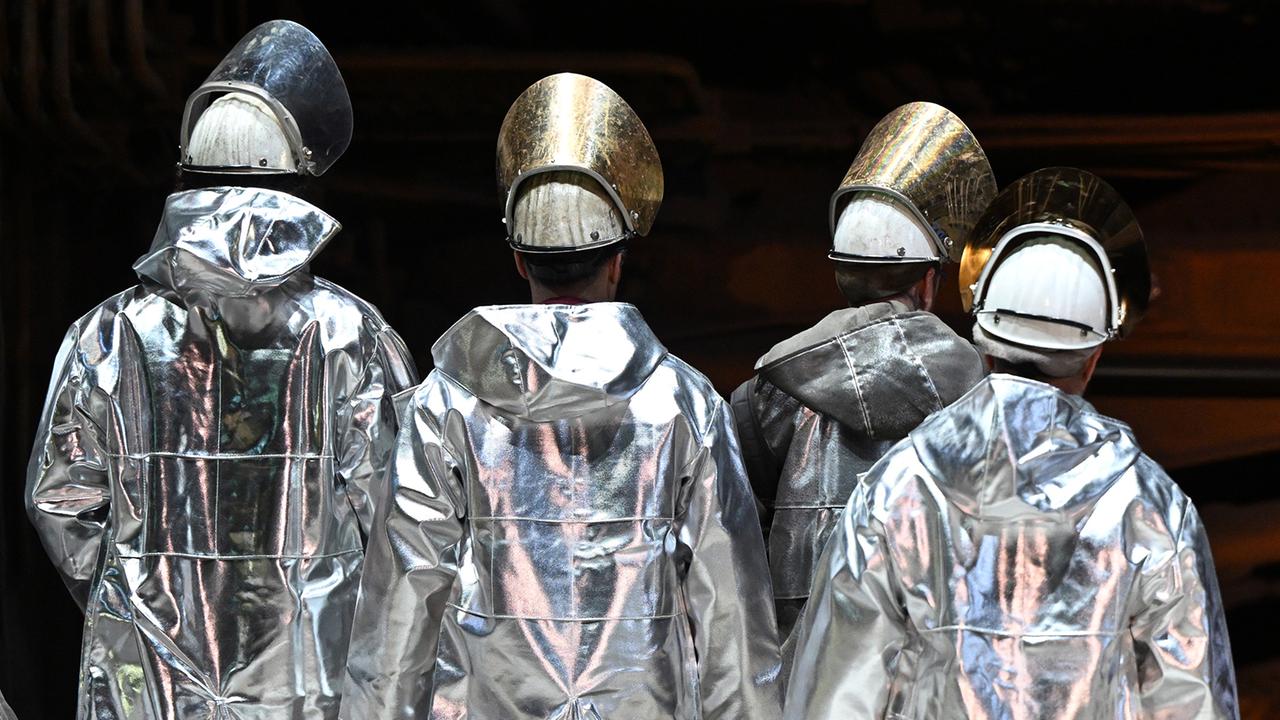
Germany is trying to keep steel production at home as its industry struggles to compete with cheaper steel from China and India.
At thyssenkrupp Steel’s Duisburg works, the company plans to cut 5,000 jobs and outsource 6,000 more by 2030.
Falling demand, high energy costs and carbon charges are adding pressure on German producers.
The industry and unions say government support, including lower electricity costs, is needed to help companies compete and switch to cleaner production.
Public money is helping fund new steelmaking plants that aim to use less-polluting methods; a plant in Salzgitter is expected to start operating next year, while the Duisburg project is not expected to be ready before 2029.
Whether German green steel can compete remains uncertain, and an economist says policy support and demand from public contracts could help create a market for it.

Germany is weighing the cost of preserving its steel industry as manufacturers struggle to compete internationally.
Thyssenkrupp Steel plans to cut 5,000 jobs and outsource 6,000 more in the Ruhr region by 2030.
The industry is seeking government support, including lower electricity costs and changes to the European emissions trading system.
Thyssenkrupp is building a lower-emissions steel plant in Duisburg, with public funding covering two-thirds of its €3 billion cost.
It remains unclear whether German green steel can compete on international markets.
- Who
- German steelmakers, including thyssenkrupp Steel and Salzgitter AG, are seeking to preserve the industry.
- What
- The industry faces pressure from cheaper imports, lower demand and high costs as it shifts to lower-emissions production.
- When
- The article was published on 16 November 2026. Thyssenkrupp plans job cuts by 2030.
- Where
- Germany, including steel sites in Duisburg and Salzgitter.
- Why
- German producers are struggling to compete internationally, while the transition to green steel requires major investment and supportive conditions.
This story does not have two clearly opposing sides.
Thyssenkrupp Steel's revenue fell by 9 percent.
Tagesschau reported on the pressure facing Germany's steel industry and the cost of its transition to green steel.
Salzgitter AG's new plant is expected to begin operating during the year.
Thyssenkrupp's Duisburg direct-reduction plant is expected to be completed no earlier than this year.
Thyssenkrupp Steel aims to cut 5,000 jobs and outsource 6,000 more in the Ruhr region by this year.
- Thyssenkrupp job plan
- 5,000 jobs to be cut and 6,000 outsourced by 2030
- Thyssenkrupp plant cost
- €3 billion
- Duisburg plant funding
- €700 million from North Rhine-Westphalia and €1.3 billion from the federal government
- Thyssenkrupp revenue
- Fell 9 percent between the 2023/2024 and 2024/2025 financial years
- Salzgitter plant funding
- Nearly €1.3 billion from Lower Saxony and the federal government
What people are saying
We cannot become green as quickly as CO2 costs rise, and that creates a competitive disadvantage compared with competitors outside Europe.
We earned our bread and butter here, but now I don't know how things will go.
In the end, it will be decided whether the steel of the future is made in Germany or somewhere else.
This is a classic coordination problem, where the economic literature says it is entirely appropriate to say that the state must take over.