

Health · Medical Research · 1 hr ago
Soy foods linked to better kidney markers in Japanese adults with diabetes
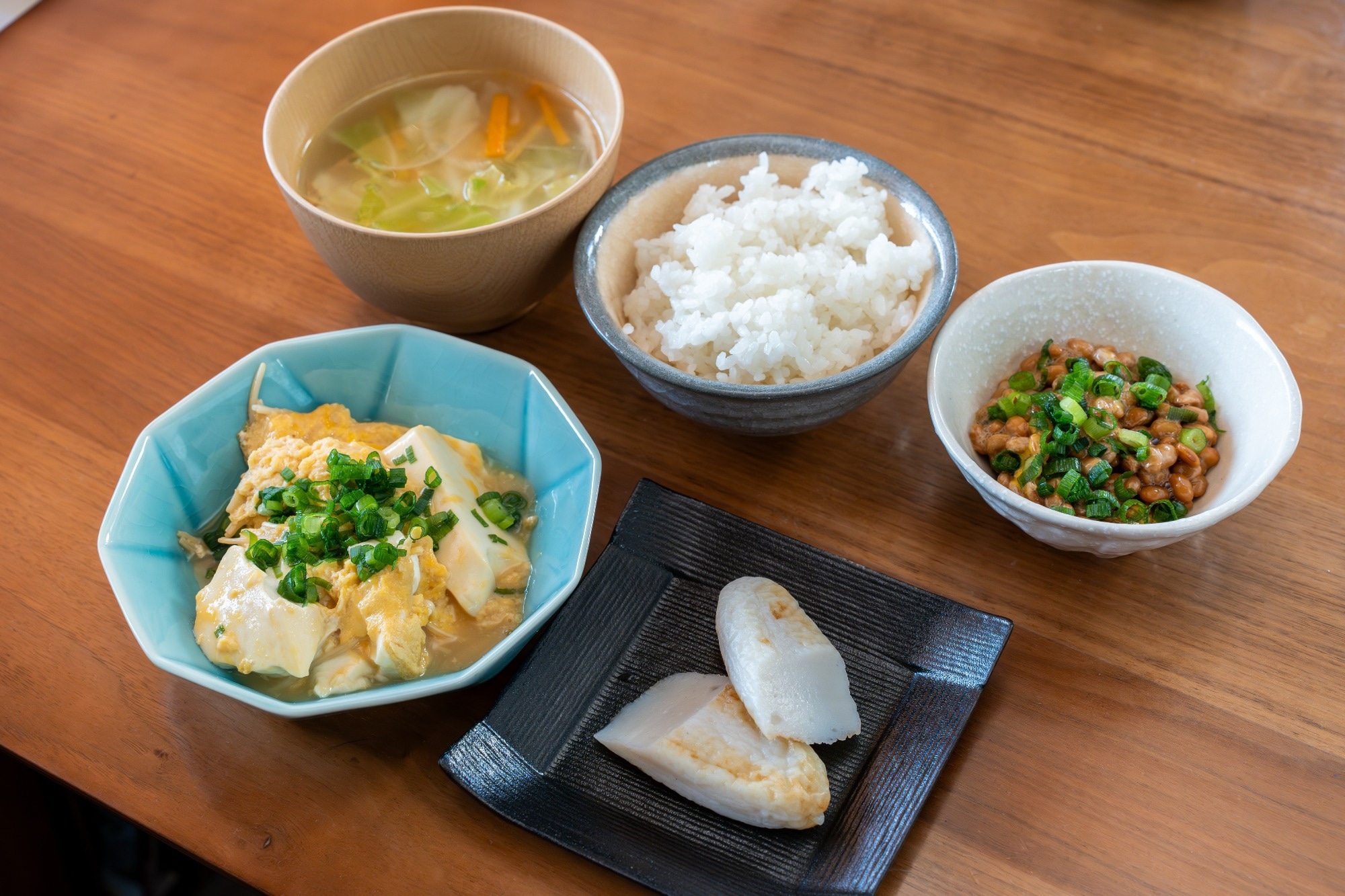
Researchers linked more frequent soy food consumption with better kidney markers in Japanese adults with type 2 diabetes.
The study examined 4,922 adults receiving specialist diabetes care in Fukuoka.
People who ate natto, tofu and miso soup more often were less likely to have reduced kidney function.
More natto and isoflavones were linked to less albuminuria, a marker measured in urine.
Soy foods have long been part of the Japanese diet, but the study cannot show soy prevents kidney disease because it looked for associations rather than testing cause and effect.
Further research is needed to understand whether these links could inform dietary approaches for people with diabetes.

A study of 4,922 Japanese adults with type 2 diabetes found that more frequent consumption of natto, tofu and miso soup was associated with lower prevalence of reduced kidney function.
Higher isoflavone intake and more frequent natto consumption were also associated with lower prevalence of albuminuria.
The research was a cross-sectional analysis of participants in the Fukuoka Diabetes Registry.
The findings show associations and do not establish that soy foods prevent diabetic kidney disease.
- Who
- Researchers from Kyushu University Graduate School of Medical Sciences and Hakujyuji Hospital studied 4,922 Japanese adults with type 2 diabetes.
- What
- The study examined links between soy foods, isoflavone intake and markers of kidney disease.
- When
- Participants were recruited between April 2008 and October 2010. The study was published on November 16, 2026.
- Where
- The Fukuoka Diabetes Registry in Japan.
- Why
- To examine associations between soy consumption and kidney disease markers in adults with type 2 diabetes.
This story does not have two clearly opposing sides.
Researchers recruited participants receiving routine care from diabetes specialists for the Fukuoka Diabetes Registry.
News-Medical reported on the study published in the Journal of Diabetes Investigation.
- Participants
- 4,922 Japanese adults with type 2 diabetes
- Age
- At least 20 years
- Recruitment period
- April 2008 to October 2010
- Reduced kidney function marker
- eGFRcys below 60 mL per minute per 1.73 m²
- Albuminuria marker
- uACR of 30 mg per g or higher