

Science & Tech · Cybersecurity · 50 mins ago
Flaws exposed sensitive data in six countries’ border-control systems
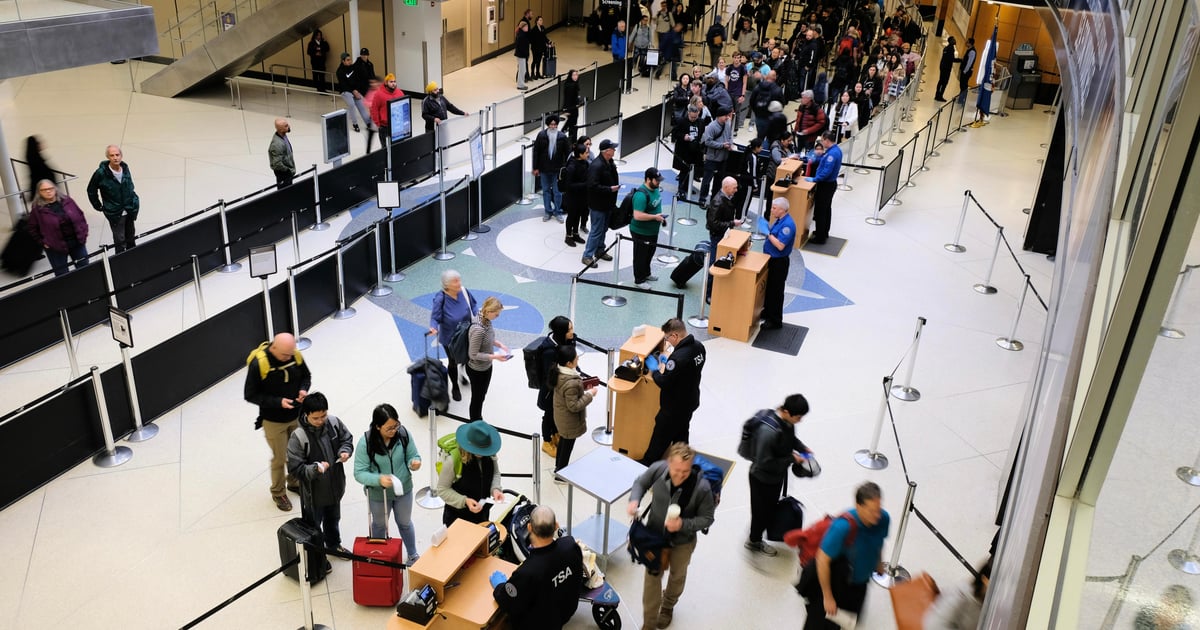
Eaton Zveare found serious security flaws in online visa and passport systems used by Nigeria, Ethiopia, Fiji, Zambia, Sri Lanka and Ghana.
The flaws could have exposed millions of travelers’ records, including sensitive personal and possibly biometric data.
In some systems, attackers could also have reached administrative functions to approve or deny entry into a country.
The systems process visa applications and help decide who can cross national borders, making them important to public safety and national security.
Zveare said weak oversight of outside contractors may have contributed to the problems, and he cited possible overuse of artificial intelligence in building Nigeria’s system.
Most of the vulnerabilities have been fixed after coordination with contractors or national cybersecurity teams.
Zveare plans to present his full findings at Black Hat Europe on Dec.
10.

Security researcher Eaton Zveare found serious vulnerabilities in online visa, passport and border-control systems in six countries.
The flaws could have exposed millions of travelers’ records, potentially including biometric information.
Some vulnerabilities could also have let attackers access administrative functions to approve or deny entry.
Zveare said the weaknesses reflected gaps in contractor oversight and, in Nigeria, possible over-reliance on AI.
Most vulnerabilities have since been fixed, and Zveare plans to present his findings at Black Hat Europe on Dec. 10.
- Who
- Security researcher Eaton Zveare found the vulnerabilities in systems used by Nigeria, Ethiopia, Fiji, Zambia, Sri Lanka and Ghana.
- What
- Flaws could have exposed sensitive traveler data and allowed access to functions that approve or deny entry.
- When
- Zveare began his search about a year before Dark Reading’s Nov. 24, 2026 report. He plans to present his findings on Dec. 10.
- Where
- Online visa, passport and border-control systems used by Nigeria, Ethiopia, Fiji, Zambia, Sri Lanka and Ghana.
- Why
- The flaws were attributed to weak contractor oversight and, in Nigeria’s case, possible over-reliance on AI.
This story does not have two clearly opposing sides.
Zveare searched Bing for “admin panel” and found a private back-end portal belonging to Nigeria.
Zveare investigated similar systems and found vulnerabilities in five more countries.
Most vulnerabilities had been remediated through coordination with contractors or national computer emergency response teams.
Zveare is scheduled to present his findings at Black Hat Europe.
- Countries
- Nigeria, Ethiopia, Fiji, Zambia, Sri Lanka and Ghana
- Researcher
- Eaton Zveare
- Vulnerabilities
- Broken object-level authorization, broken function-level authorization and missing authentication
- Nigeria findings
- Roughly a dozen vulnerabilities
- Presentation
- Black Hat Europe, Dec. 10
2 sources
What people are saying
God mode at the border
I think they've gotten on the AI hype train, and they've kind of used it to build their border control a little bit
The tip of the iceberg is not only viewing all the people who ever applied for these visas and passports, but actually being able to approve or deny applications that are currently coming in