

Business · Economy · 1 hr ago
Rupiah falls as oil costs and investor concerns weigh
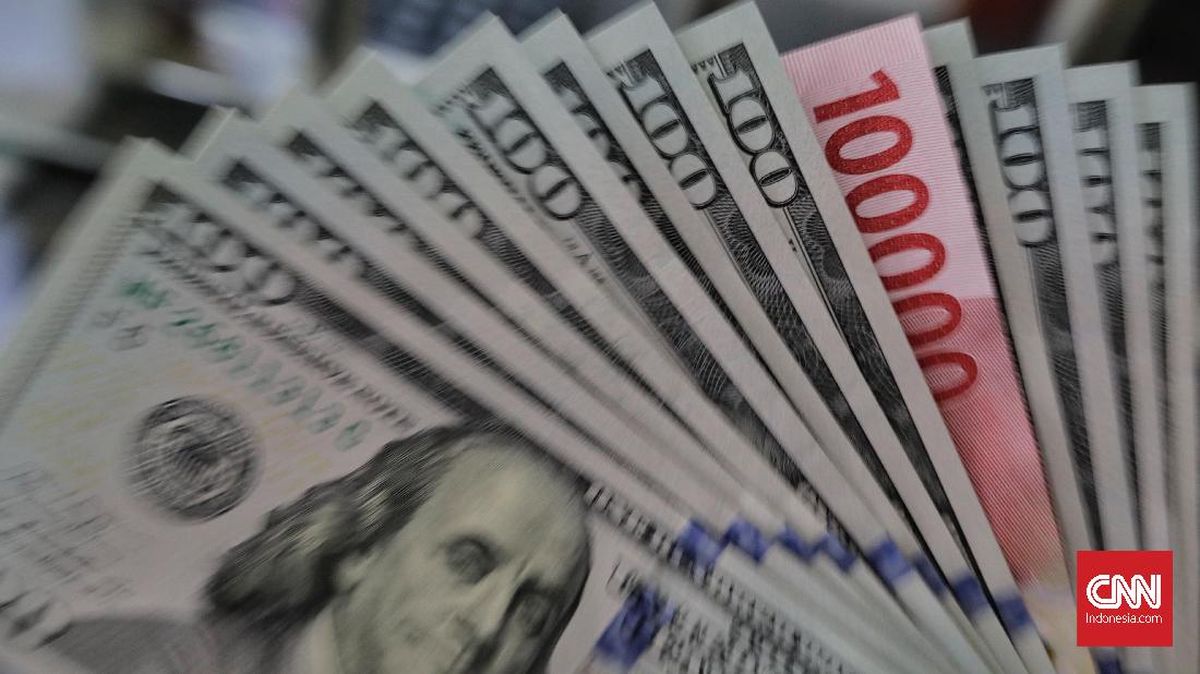
The rupiah closed at 18,135 per US dollar on Monday, down 0.30% from its previous close.
The currency is under pressure from higher oil prices, fiscal concerns and market uncertainty in Indonesia.
Higher oil prices mean Indonesia needs more dollars to pay for energy imports.
They may also raise government spending on energy subsidies and compensation, which had reached 376.8 trillion rupiah by the end of September.
Uncertainty over planned changes involving MSCI, as well as foreign bond outflows, has added to investor concerns about Indonesia’s markets.
The rupiah has fallen 7.52% in 2026, more than the Thai baht and Indian rupee, while the South Korean won and Chinese yuan have gained.

The rupiah closed at Rp18,135 per US dollar on Monday, down 0.30 percent from its previous close.
Analyst Yusuf Rendy Manilet said higher oil prices, fiscal concerns and uncertainty in domestic capital markets were weighing on the currency.
Indonesia’s oil price benchmark reached US$91.9 per barrel at the end of September, above the state budget assumption of US$70.
Manilet said the rupiah had fallen about 7.52 percent in 2026, more than the Thai baht and Indian rupee.
He said investor concerns about fiscal conditions, policy direction and capital-market governance were adding to pressure on the rupiah.
- Who
- The Indonesian rupiah and investors concerned about Indonesia’s economic and market risks.
- What
- The rupiah fell to Rp18,135 per US dollar. An analyst cited oil prices, fiscal concerns and domestic market uncertainty as contributing factors.
- When
- Monday, October 26, 2026.
- Where
- Indonesia; the exchange rate was reported in Jakarta.
- Why
- Higher oil prices increase the need for dollars to pay for energy imports and may raise subsidy costs. The analyst also cited fiscal and investor concerns.
This story does not have two clearly opposing sides.
Indonesia’s oil price benchmark reached US$91.9 per barrel, above the state budget assumption of US$70.
Foreign investors withdrew US$203 million from Indonesia’s bond market.
The rupiah closed at Rp18,135 per US dollar, down 55 points from its previous close.
- Rupiah close
- Rp18,135 per US dollar on October 26
- Daily decline
- 55 points, or 0.30 percent
- Indonesia oil price benchmark
- US$91.9 per barrel at the end of September
- State budget oil assumption
- US$70 per barrel
- Energy subsidies and compensation
- Rp376.8 trillion through September 30, up 54.1 percent year on year
- Rupiah depreciation in 2026
- About 7.52 percent
What people are saying
The wide gap increases the risk of a larger deficit and narrows the government’s fiscal space.
If the cause were solely global factors, the rupiah should also have room to strengthen when the dollar weakens.
Indonesia is not facing this pressure alone, but the rupiah is indeed among the region’s weakest-performing currencies.