

Politics · India · 3 hrs ago
Sanjeev Chaturvedi asks Supreme Court to enforce whistleblower protections
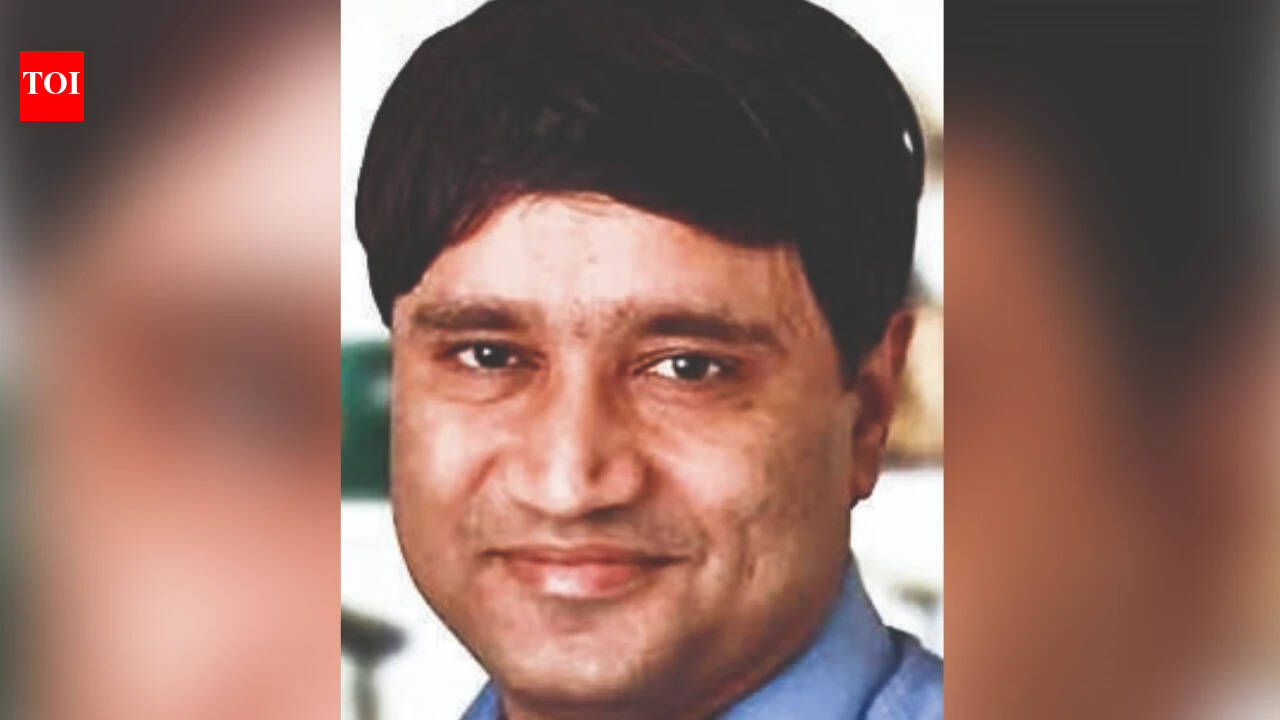
IFS officer Sanjeev Chaturvedi has asked the Supreme Court to intervene because India’s whistleblower protection law has not been put into effect.
The Whistle Blowers Protection Act was passed by Parliament in 2014, but the Centre has not notified it.
Without an operational framework, whistleblowers lack a dedicated authority to protect them or investigate retaliation.
Chaturvedi says officials and private individuals who expose corruption can face transfers and other reprisals.
He says he was transferred 12 times in four years while serving in Haryana from 2008 to 2012, and was suspended multiple times.
He argues that the lack of legal protection may deter people from reporting corruption and leaves those who do speak up without effective recourse.
He wants the Supreme Court to protect whistleblowers, but no next step is specified.

Sanjeev Chaturvedi has asked the Supreme Court to intervene to protect whistleblowers, saying the Whistle Blowers Protection Act has not been brought into operation.
The Act was passed by Parliament in 2014, but the Centre has not notified it, according to the petition.
Chaturvedi says the lack of an operational framework leaves whistleblowers without an authority to protect them from retaliation.
He cited his own career, saying he was transferred 12 times in four years and suspended multiple times.
His affidavit says the absence of protection may have suppressed disclosures of public corruption and left people who came forward without legal recourse.
- Who
- Sanjeev Chaturvedi, an IFS officer and Magsaysay award winner.
- What
- He has asked the Supreme Court to intervene to protect whistleblowers and address the failure to bring the Whistle Blowers Protection Act into operation.
- When
- The petition was reported on November 14, 2026. The Act was passed in 2014.
- Where
- The Supreme Court of India.
- Why
- He says whistleblowers lack an effective legal and institutional framework to protect them from retaliation.
This story does not have two clearly opposing sides.
Chaturvedi says he was transferred 12 times in four years and suspended multiple times.
Parliament passed the Whistle Blowers Protection Act.
Times of India reported that Chaturvedi had moved the Supreme Court seeking whistleblower protections.
- Petitioner
- Sanjeev Chaturvedi
- Court
- Supreme Court of India
- Act
- Whistle Blowers Protection Act, 2014
- Transfers
- 12 times in four years, according to Chaturvedi
- Alleged transfer period
- 2008–2012
What people are saying
Continuity of institutional persecution in the absence of any protective framework has become systemic norm.
The absence of the Act's operational framework means there is no single institutional mechanism to which a whistleblower in the petitioner's position can turn for protection, and there is no authority charged with the specific task of preventing and investigating retaliation.
The consequence of this executive inaction is that India has, for over 11 years, had no effective legislative framework for the protection of whistleblowers.