

Health · Medical Research · 2 hrs ago
CASS4 Gene Helps Brain Immune Cells Contain Alzheimer’s Plaques, Study Finds
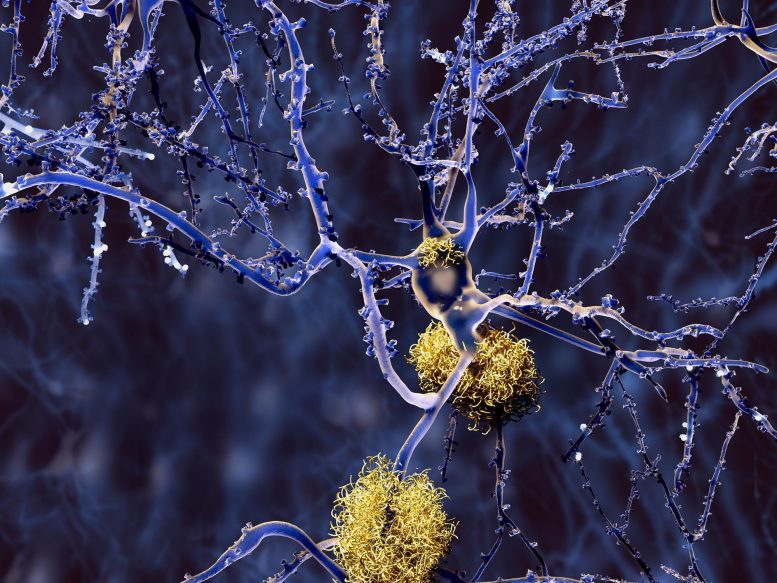
UVA Health researchers found that CASS4 helps the brain contain Alzheimer’s-related plaques.
The gene appears to work through microglia, immune cells that gather around plaques and help limit their harmful effects.
In mice, disrupting CASS4 made microglia less effective at containing plaques.
The mice then developed more plaque buildup, greater damage to nerve cells and cognitive decline.
Earlier studies had linked CASS4 to Alzheimer’s risk, but its role in the brain was not well understood.
The findings point to brain immune defenses as one way the gene may affect the disease.
The work is preclinical, and further studies are needed to find out whether boosting CASS4 could help patients or aid earlier detection.

Researchers at UVA Health found that the CASS4 gene helps brain immune cells contain amyloid-beta plaques in Alzheimer’s disease.
In mice, disrupting CASS4 made microglia less effective at surrounding and compacting plaques.
The disruption was associated with greater plaque accumulation, increased neuronal damage and cognitive decline in the animals.
The findings suggest CASS4 affects Alzheimer’s through the brain’s immune system, rather than acting directly in nerve cells.
The research is preclinical, and further studies are needed to determine whether targeting CASS4 could benefit patients.
- Who
- Researchers at UVA Health, led by John Lukens, studied the CASS4 gene and brain immune cells.
- What
- The study found that CASS4 helps microglia contain amyloid-beta plaques. Disrupting the gene worsened plaque accumulation and other measures of disease in mice.
- When
- Published November 15, 2026.
- Where
- UVA Health; the experiments were conducted in laboratory mice.
- Why
- Researchers investigated how the Alzheimer’s risk gene CASS4 affects microglial activity and plaque containment.
This story does not have two clearly opposing sides.
Previous genetic studies had repeatedly associated CASS4 with Alzheimer’s risk, but its biological function was poorly understood.
SciTechDaily published findings that CASS4 helps microglia contain plaques and that disrupting the gene worsened disease-related outcomes in mice.
- Gene studied
- CASS4
- Research institution
- UVA Health
- Lead researcher
- John Lukens
- Cell type involved
- Microglia
- Study model
- Laboratory mice
- Publication date
- November 15, 2026
What people are saying
Despite CASS4 being an Alzheimer’s risk gene, really nothing is known about what this gene does or how it affects the brain during disease.
Our work further suggests that defective CASS4 activity may serve as an early-onset biomarker to detect Alzheimer’s and that therapeutic strategies which boost its function may offer a much-needed approach to treat this devastating brain disease.