

World · Africa · 2 hrs ago
COP31 talks run overtime as draft deal drops mention of fossil fuels
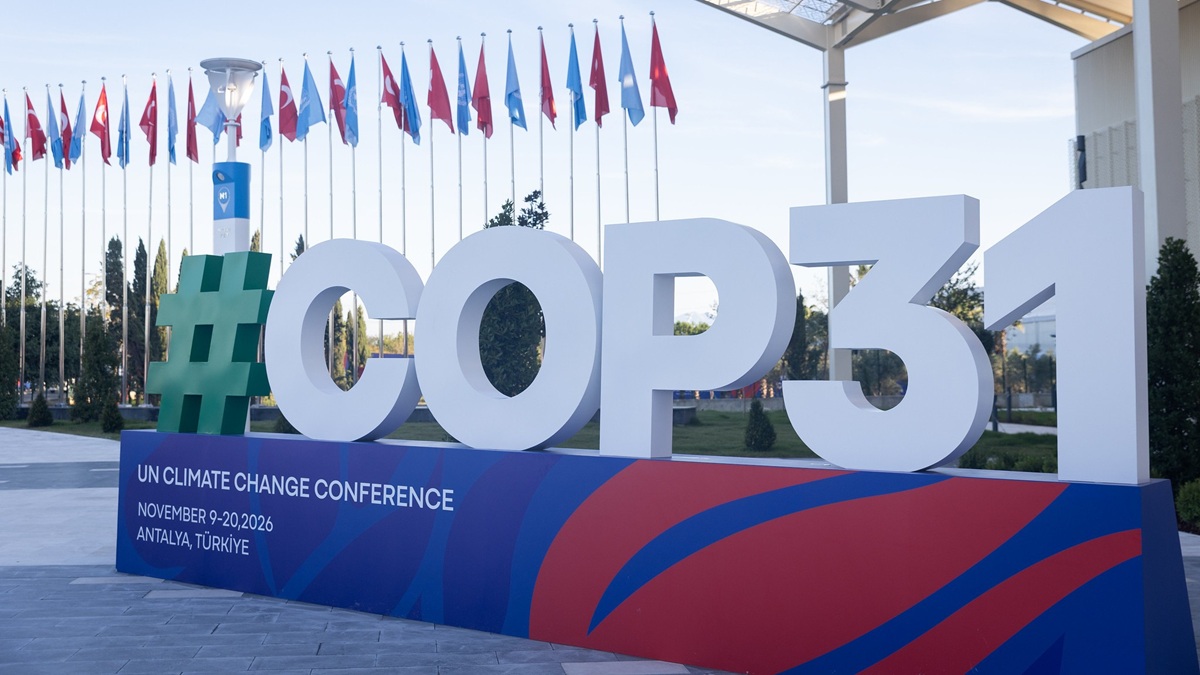
Nearly 200 countries kept negotiating at COP31 in Antalya, Türkiye, after the climate summit passed its scheduled end on Friday.
A shorter draft agreement removed calls to phase out coal, oil and gas that appeared in an earlier version.
Eight countries urged negotiators to restore a clear transition away from fossil fuels in the final text.
African governments also called for more accessible funding to help communities adapt to climate impacts and support a fair energy transition.
Africa received about $52 billion in climate finance in 2022, compared with an estimated annual need of $190 billion, and much of the funding was loans.
African negotiators said developed countries must meet their existing obligations under the Paris Agreement rather than reopen it.
Negotiations were expected to continue, with a new draft likely on Saturday morning.

African countries at COP31 called for more climate finance and technical support to help them adapt to climate change and pursue energy transitions.
Negotiators said funding should be predictable, accessible and affordable, and should come as grants or highly concessional finance rather than adding to debt.
The African Group of Negotiators rejected attempts to renegotiate countries’ obligations under the Paris Agreement.
African governments remain divided over the role of fossil fuels, with some arguing that oil and gas can support development while campaigners warn they could hinder investment in renewables.
Talks in Antalya continued past their scheduled Friday finish as countries disputed a draft deal that did not mention fossil fuels.
- Who
- African countries and negotiators, alongside other governments at COP31.
- What
- African countries pressed for more accessible climate finance and support, while rejecting efforts to reopen obligations under the Paris Agreement.
- When
- COP31 took place in November 2026; negotiations continued beyond their scheduled finish on Friday, November 20.
- Where
- Antalya, Türkiye.
- Why
- African countries say they need resources to adapt to climate impacts and carry out climate commitments; the sources describe the continent as highly vulnerable despite its relatively small contribution to global emissions.
African governments supporting fossil-fuel development
Campaigners opposing reliance on fossil fuels
Energy and development
African governments supporting fossil-fuel development
Some African governments argue that coal, diesel and natural gas can provide reliable energy and support jobs, industrialization and public services.
Campaigners opposing reliance on fossil fuels
Campaigners warn that polluting fuels can divert investment from renewables, expose economies to global price volatility and undermine efforts to cut emissions.
The Paris Agreement was adopted at COP21, setting a framework for limiting global warming.
Africa received about $52 billion in climate finance, compared with an estimated annual requirement of $190 billion.
African negotiators said they opposed renegotiating the Paris Agreement and called for grants and highly concessional finance.
COP31 negotiations in Antalya passed their scheduled finish as countries argued over a draft deal that omitted fossil fuels.
- COP31 location
- Antalya, Türkiye
- African Group of Negotiators
- Represents 54 African countries
- Africa climate finance received
- About $52 billion in 2022
- Estimated annual climate finance need
- $190 billion
- Africa share of global greenhouse gas emissions
- About 4%
- Electricity access gap
- Nearly 600 million people in Africa lack access to electricity
5 sources
Cop31 talks go into overtime as fossil fuels vanish from draft deal
Africa at COP31: Will climate cash finally flow?
Fossil fuels’ role in Africa’s energy transition contested as UN climate conference closes
COP31: Africa draws red line against reopening Paris Agreement as climate finance row persists
What people are saying
Any attempt to renegotiate the Paris Agreement, especially when it comes to obligations, is something that the African continent rejects. We need to stay within the confines of the agreement because that is what we all have agreed in the past to do business with.
Developing countries face a double injustice: they bear the brunt of climate change but struggle to access the finance they urgently need,
Africa, to begin with, needs reliable and affordable energy to enhance their development, and we should always aim at the continent to have energy that is produced and also used responsibly,
It is not acceptable to have a Cop or a cover document that does not even mention fossil fuels, and we simply will not put up with it. We need to tell the truth and to speak clearly.