

Science & Tech · Space · 3 hrs ago
Voyager 1 resumes contact after a two-day communications pause
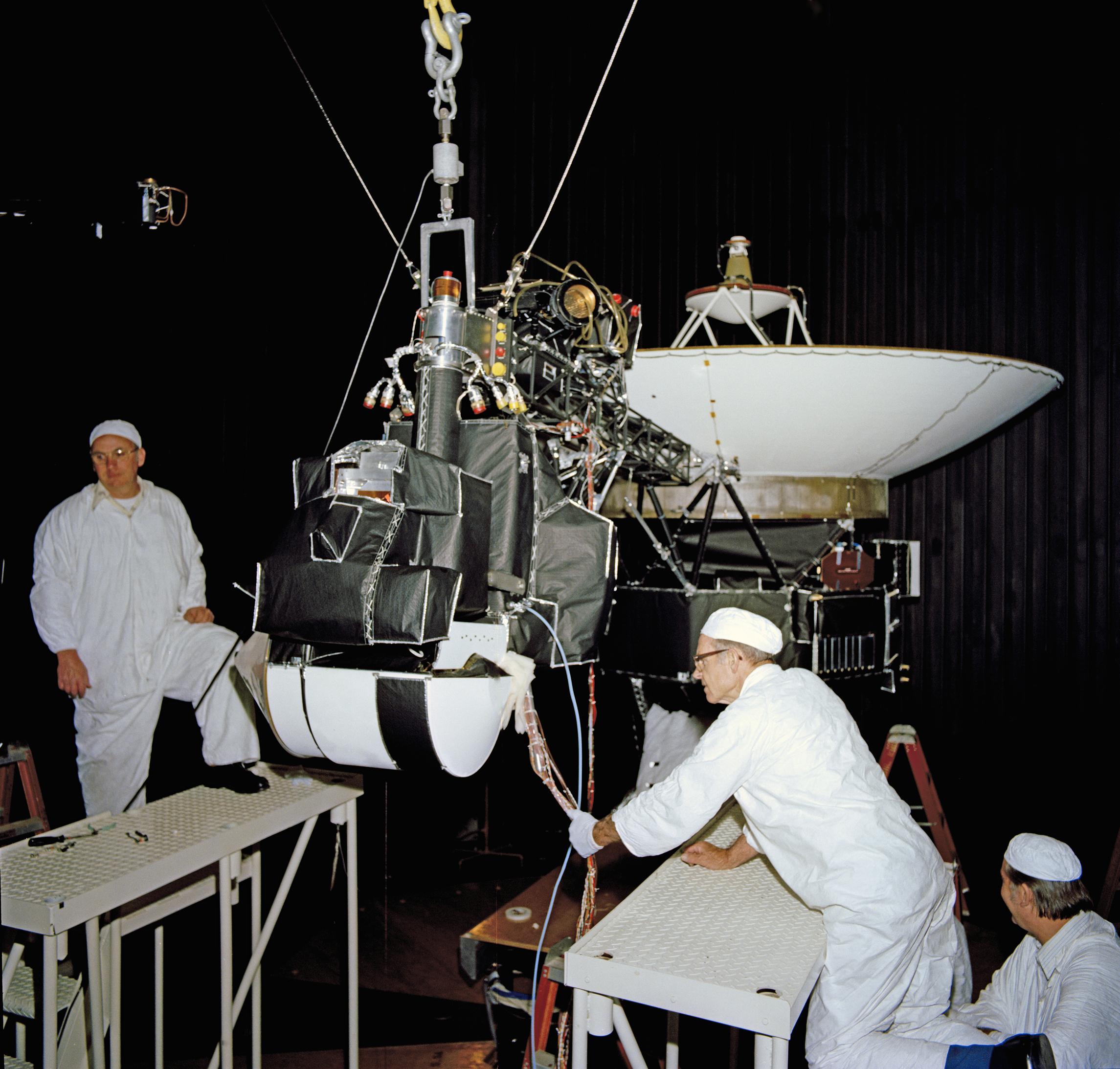
NASA’s Voyager 1 went silent for two days after Earth-based antennas failed to detect its signal on Oct.
18 and 19.
The spacecraft, about 16 billion miles from Earth, reconnected on Oct.
20 without commands from engineers and has stayed in contact since.
Engineers have found that one group of thrusters stopped working and its backup switched on automatically, but they have not determined what caused the outage.
Voyager 1 and its twin, Voyager 2, launched in 1977 and are the only spacecraft to have left the solar system.
Their plutonium power supplies are fading, so NASA has switched off devices and replaced them with lower-power alternatives to keep the remaining science instruments running longer.
This power-saving work, called the Big Bang, is expected to delay the need to turn off another Voyager 1 instrument, which otherwise could have happened as early as summer 2027.
On Nov.
18, Voyager 1 is expected to reach one light-day from Earth, meaning a signal will take about 24 hours to travel one way, and engineers will continue investigating the outage.

Voyager 1 resumed communication with Earth on Oct. 20 after the Deep Space Network missed two scheduled check-ins.
The signal loss lasted about 48 hours, and the spacecraft has remained in contact since.
Engineers do not yet know what caused the interruption, but found that one group of thrusters went offline and backup thrusters switched on automatically.
NASA says the spacecraft is about 16 billion miles from Earth and is operating in interstellar space.
Voyager 1 is expected to reach a distance of one light-day from Earth on Nov. 18.
- Who
- NASA’s Voyager 1 spacecraft and the mission team.
- What
- Voyager 1 resumed communications after a brief loss of contact. Engineers are investigating what caused it.
- When
- The Deep Space Network missed signals on Oct. 18 and 19; contact resumed on Oct. 20.
- Where
- In interstellar space, about 16 billion miles from Earth.
- Why
- The cause is not yet known. One group of thrusters went offline, and backup thrusters switched on automatically.
This story does not have two clearly opposing sides.
Engineers completed the Big Bang power-saving changes on Voyager 1, about six weeks after making the same changes on Voyager 2.
The Deep Space Network did not detect a signal from Voyager 1 during two scheduled communication attempts.
Voyager 1’s signal reappeared before engineers had sent commands to troubleshoot the problem.
Voyager 1 is expected to reach one light-day from Earth.
- Signal loss
- About 48 hours
- Signal returned
- Oct. 20, 2026
- Distance from Earth
- About 16 billion miles (24 billion kilometers)
- Power-saving effort
- Three devices switched off and three lower-power alternatives activated
- Next milestone
- One light-day from Earth, expected Nov. 18
4 sources
What people are saying
This is the first time we’ve seen the spacecraft do something like this, but we are also at a point in the mission where we have to expect the unexpected.
We’re relieved to be back in contact with Voyager 1 and are eager to understand what happened.
If you want to say ‘hello’ to Voyager, you send your message and then you go home and you wait two days before you finally get a response.