

Politics · Australia · 9 hrs ago
Australia's anti-slavery commissioner seeks tougher company rules
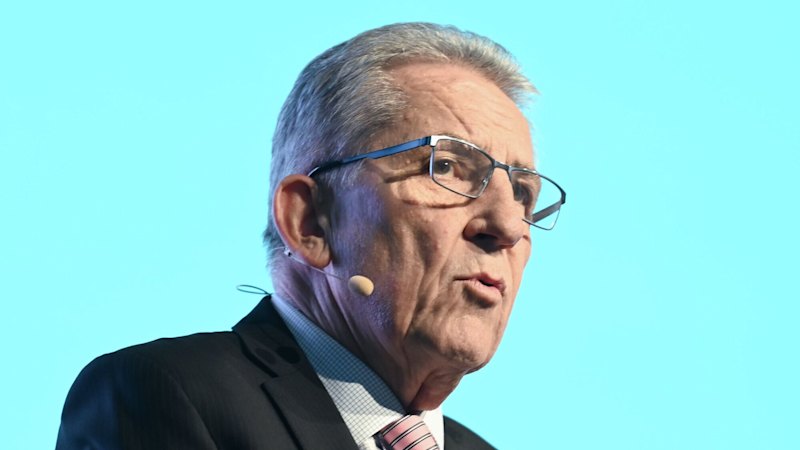
Australia's anti-slavery commissioner Chris Evans wants tougher rules for large companies as the government prepares to overhaul modern-slavery laws.
Since 2018, big businesses have had to report risks in their operations and supply chains, but they do not have to act on them.
Evans says companies should be legally required to find and address forced-labour risks, arguing criminal penalties alone would reach only a small number of cases.
He estimates Australia imports $25 billion in goods at risk of forced labour each year.
The debate comes as the United States has imposed a 12.5 per cent tariff on Australian exports, citing concerns about forced labour in traded goods.
The government plans criminal penalties and civil penalties, while Evans is also calling for due-diligence duties, stronger reporting and compensation rights for victims.

Australia’s anti-slavery commissioner Chris Evans says the government’s planned crackdown on forced labour does not go far enough.
Evans wants large companies to be legally required to identify and address forced-labour risks in their supply chains.
He says criminal penalties alone would catch only a small number of offenders and would not change business practices enough.
An estimated $US17.4 billion worth of goods imported by Australia each year may be linked to forced labour, according to a paper Evans released.
Business groups have raised concerns about criminal penalties for exploitation in supply chains.
- Who
- Anti-slavery commissioner Chris Evans is urging tougher rules for companies. The government is planning changes to modern slavery laws.
- What
- Evans wants mandatory due-diligence obligations for large companies and other measures to address forced labour.
- When
- Evans released his paper on Thursday. The article is dated October 16, 2026.
- Where
- Australia.
- Why
- Evans says criminal penalties alone would reach only a small number of cases and would not sufficiently change business practices.
Chris Evans
Minerals Council of Australia and Business Council of Australia
Criminal penalties
Chris Evans
Evans says criminal prosecutions are challenging and resource-intensive and would reach only a small number of cases; he wants broader legal duties for companies.
Minerals Council of Australia and Business Council of Australia
The Minerals Council’s Tania Constable says there are better ways to address the issue than threatening executives with criminal penalties over other companies’ actions; the Business Council has raised concerns about the penalties.
Company obligations
Chris Evans
Evans wants large companies legally required to take reasonable steps to find and address modern slavery risks.
Minerals Council of Australia and Business Council of Australia
The business groups have raised concerns about proposed penalties for modern slavery in supply chains.
Australia introduced the Modern Slavery Act, requiring large companies to report risks in their operations and supply chains.
Labor announced plans for a criminal offence for companies that fail to prevent modern slavery, alongside civil penalties for breaches of reporting requirements.
Prime Minister Anthony Albanese urged US President Donald Trump to consider an exemption from the 12.5 per cent tariff or restore the previous 10 per cent rate.
Evans released a paper calling for stronger company obligations and other changes to Australia’s modern slavery laws.
- Commissioner
- Chris Evans
- Annual imports at risk
- An estimated $US17.4 billion ($25 billion) worth of goods
- Modern Slavery Act
- Introduced in 2018
- US tariff on Australian exports
- 12.5 per cent
- Previous tariff rate
- 10 per cent
What people are saying
To change how business operates every day, we also need a clear legal obligation on large companies to take reasonable steps to find and fix modern slavery risks.
A clear national framework, aligned with international standards, will help Australian businesses stay competitive and keep their access to international markets.
Australians don’t want the clothes they wear or the food they eat to be made with forced labour.