

Science & Tech · Science & Environment · 5 hrs ago
Study finds women in European portraits became less curvy over three centuries
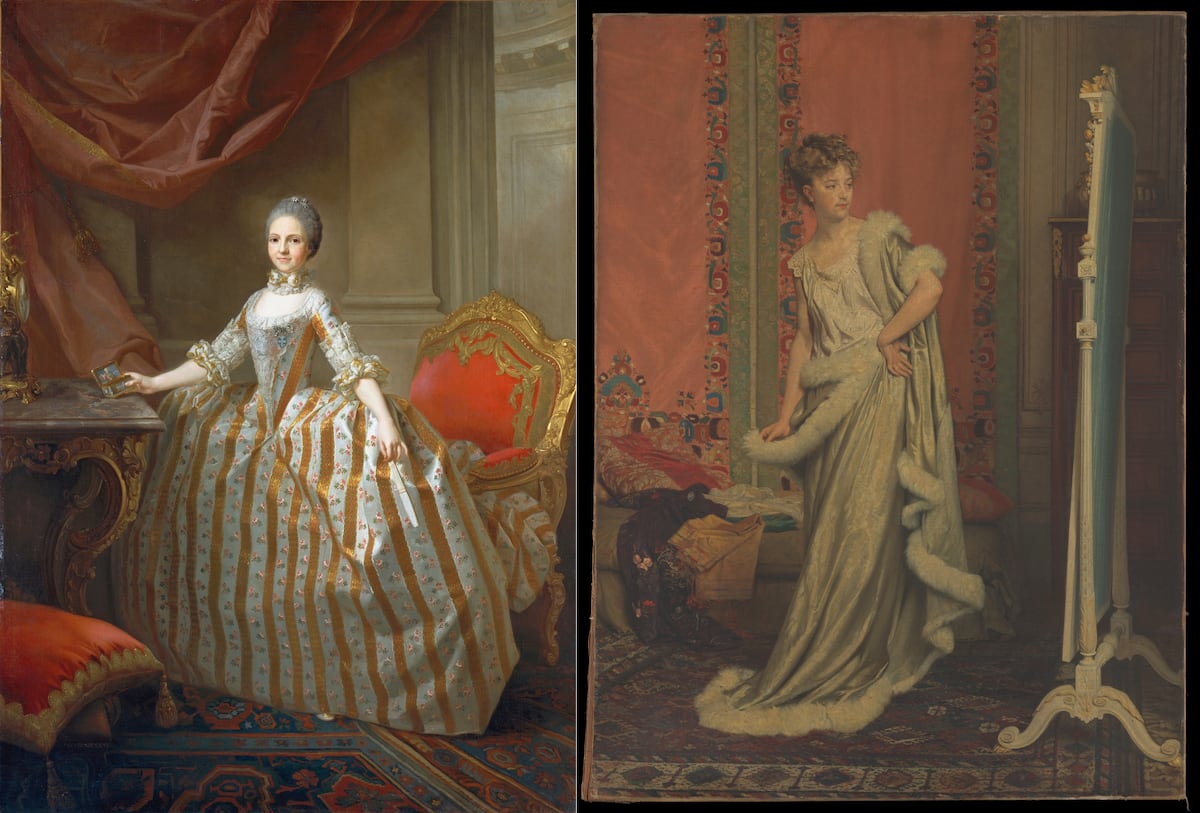
Researchers at Northumbria University studied more than 600 portraits of women painted in Europe between 1650 and 1950.
About 1,500 people assessed the figures’ body shapes and faces, including their apparent age.
Women in later portraits were shown with less difference between waist and hips, a measure that indicates how curvy a figure appears.
They were also judged to have older-looking faces, while earlier portraits tended to show women as younger and more curvy.
The pattern points to changing ideals in how women were portrayed, with less emphasis over time on youthful, curvy shapes.
The portraits mainly showed elite women, so the findings may not apply to women from other social groups.

A study found that women in European portraits became less curvy and were portrayed with older-looking faces from the 17th to the 20th centuries.
Researchers at Northumbria University examined portraits spanning 1650 to 1950 and asked participants to assess the women’s bodies and faces.
The researchers said the change suggests a shift away from visual cues associated with youth and reproductive potential.
The sources differ on the dataset: one reports 606 portraits, while the other reports 486 paintings depicting 606 women.
The study was published in Proceedings of the Royal Society B: Biological Sciences.
- Who
- Researchers from Northumbria University led the study.
- What
- The study found that women in portraits became less curvy and looked older over time.
- When
- The portraits span 1650 to 1950. The study was published on November 18, 2026.
- Where
- European portraits; the Spanish-language report says the paintings depicted women from French and English elites.
- Why
- The researchers said the findings point to changing aesthetic preferences and less emphasis on cues of youth and reproductive potential.
This story does not have two clearly opposing sides.
The study examined portraits made across this period.
The researchers found that the depicted waist-to-hip difference progressively decreased.
The study was reported as published in Proceedings of the Royal Society B: Biological Sciences.
- Portrait period
- 1650–1950
- Portrait subjects
- 606 women, according to El País
- Paintings
- 486, according to El País
- Participants
- 1,570, according to Daily Mail
- Study institution
- Northumbria University
2 sources
What people are saying
Portraits are useful for several reasons
The waist-to-hip ratio is a useful indicator because it reflects, quite accurately, a woman’s reproductive stage
Feminine representation appears to have become progressively more tubular and androgynous from at least the eighteenth century
This trend suggests a shift in aesthetic norms, moving away from visual cues of youth and nulliparity