

Health · Medical Research · 2 hrs ago
Nighttime light exposure linked to changes in heart structure and function
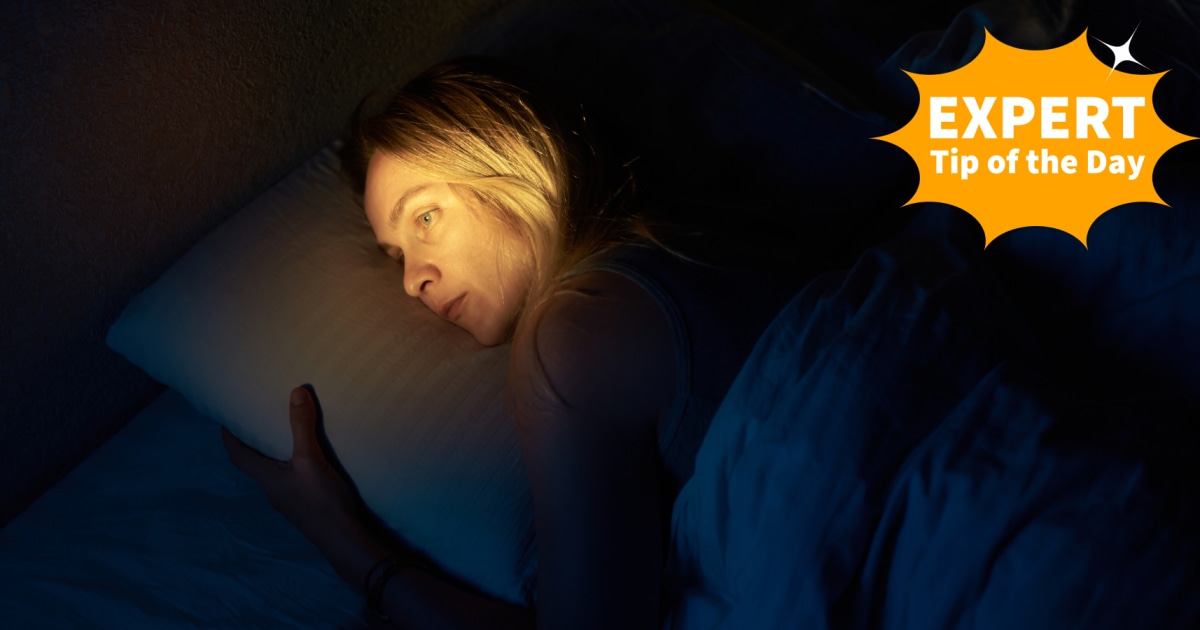
Researchers linked more light during sleep with changes in the heart in a study of more than 11,000 people.
Participants wore wrist sensors for seven nights to measure their light exposure, then had heart MRI scans three years later.
Those with greater exposure showed changes including a thicker wall in the heart’s left ventricle and reduced ability of the heart muscle to flex.
The findings show an association, not proof that light caused the changes.
The researchers said artificial light may disrupt sleep and other body rhythms, and called it a possible cardiovascular risk factor.
They recommend making bedrooms as dark as possible by closing blinds and turning off lights and screens, or using blackout curtains or an eye mask.
The researchers said reducing nighttime light exposure could be one strategy for preventing heart disease.

Nighttime light exposure was linked to changes in heart structure and function in a study of more than 11,000 people.
Participants wore wrist sensors for seven nights, then underwent cardiac MRI three years later.
The researchers found changes including thickening of the left ventricle wall and reduced ability of the heart muscle to flex.
The findings suggest nighttime light may be a cardiovascular risk factor, but the study reports a link rather than proof of cause.
Researchers advised reducing light exposure during sleep by darkening the bedroom.
- Who
- Researchers including Dr. Lu Qi studied more than 11,000 people.
- What
- Nighttime light exposure was linked to changes in heart structure and function.
- When
- Participants recorded light exposure for seven nights and had a cardiac MRI three years later. The study was described as recent.
- Where
- Not stated
- Why
- Researchers said nighttime light may act as an environmental stressor and disrupt biological rhythms.
This story does not have two clearly opposing sides.
Participants wore wrist sensors to measure their typical light exposure during sleep.
Participants underwent cardiac MRI.
- Study participants
- More than 11,000 people
- Light measurement
- Wrist sensors worn for seven nights
- Follow-up
- Cardiac MRI three years later
- Heart finding
- Thickening of the left ventricle wall
- Associated effect
- Reduced ability of the heart muscle to flex during a heartbeat
What people are saying
It’s our body’s way of adapting to that stress, but ultimately it weakens the heart and can lead to heart failure
Light pollution has emerged as a new risk factor for cardiovascular disease
Darkness deserves recognition as a vital sign, as essential to cardiovascular health as blood pressure control and clean air