Business · Economy · 1 hr ago
RBI moves to support the rupee, but longer-term pressure remains

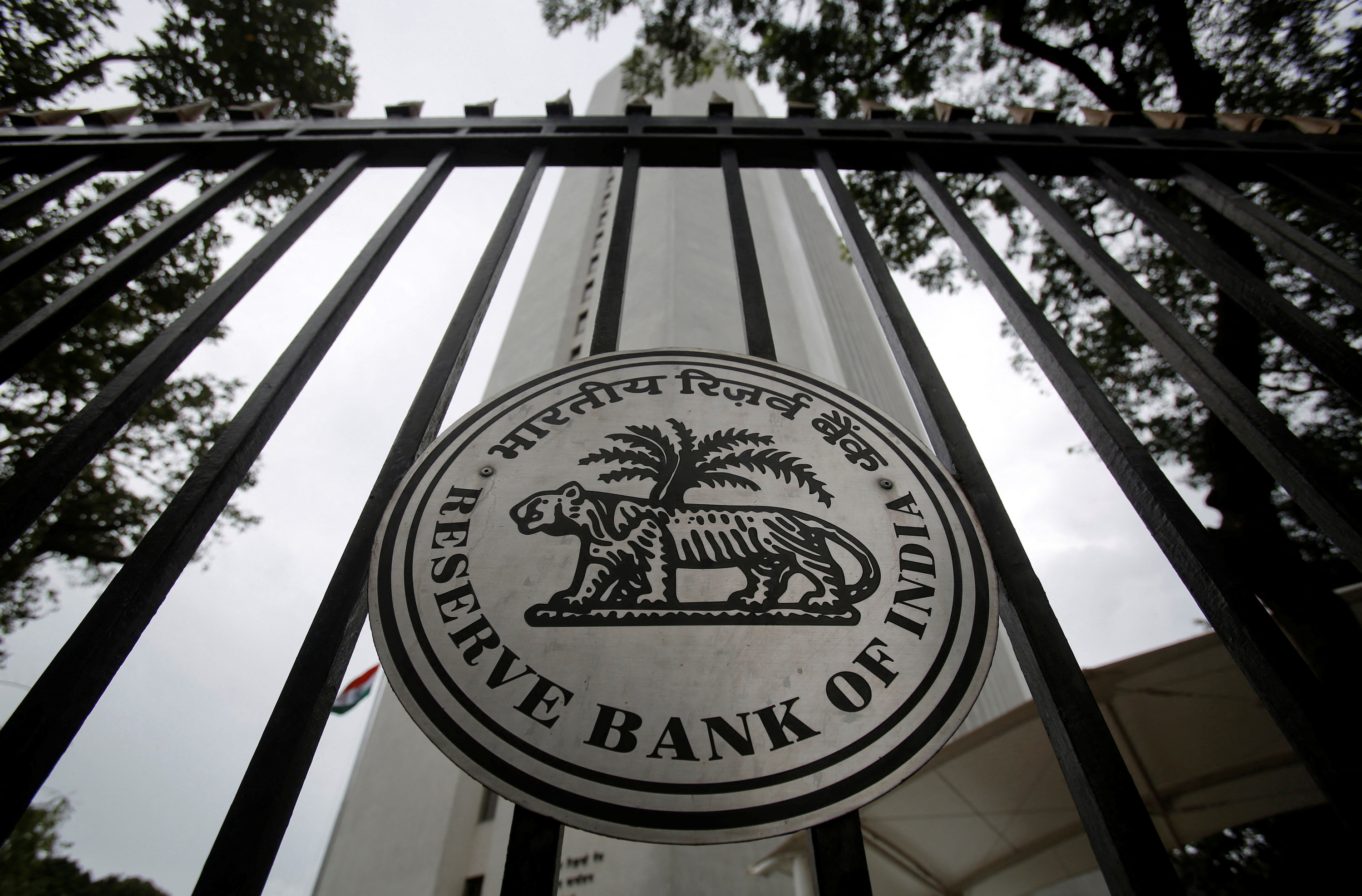
The Reserve Bank of India (RBI) has announced measures to support the Indian rupee, which closed at 96.73 to the US dollar on Friday, near a record low.
From 12 October, the RBI will supply the dollar needs of three state-run oil companies through a special arrangement, reducing their purchases in the currency market.
It has also tightened rules on foreign-exchange derivatives to curb speculative trading against the rupee.
These steps could lift the rupee in the near term, but experts say they are unlikely to reverse its longer-term decline.
High oil prices, money leaving the country and weak external finances continue to weigh on the currency.
A weaker rupee makes imports more expensive, adding to inflation and costs for businesses and households; this matters especially because India imports about 90% of its crude oil.
The measures may also make it more costly for importers to hedge against currency swings.

The Reserve Bank of India will supply dollars directly to three state-run oil companies from 12 October to reduce their demand in the spot market and support the rupee.
The RBI also tightened rules on foreign-exchange derivatives to curb speculative trading.
The measures are expected to provide near-term support, but market experts say they are unlikely to reverse the rupee’s longer-term depreciation.
High crude prices, capital outflows and weak external balances are among the pressures cited.
The rupee closed Friday at 96.73 per dollar, near its record low of 96.96 in May, according to Mint.
- Who
- The Reserve Bank of India and state-run oil companies Indian Oil, Hindustan Petroleum and Bharat Petroleum.
- What
- The RBI will meet the companies’ daily dollar requirements through designated banks and has tightened foreign-exchange derivative rules.
- When
- The dollar-supply measure takes effect on 12 October 2026.
- Where
- India’s foreign-exchange market.
- Why
- To ease pressure on the rupee by moving the oil companies’ dollar demand out of the spot market and curbing speculative currency trades.
This story does not have two clearly opposing sides.
Over the medium term, the rupee will still depreciate because that depreciation is a function of multi-year high US Treasury yields and crude oil at $100.
Rupee liquidity is high and the rupee is cheap to short in offshore and onshore markets. All these moves tighten speculative positioning and give some direct support to the INR.
The immediate impact should be to remove a large and predictable source of dollar demand from the market.
The RBI had directed oil marketing companies to meet their dollar requirements through designated banks, according to industry executives cited by Economic Times.
The rupee closed at 96.73 per dollar, according to Mint; Economic Times reported a close of 96.74.
The RBI announced it would meet the daily dollar requirements of three state-run oil companies.
The RBI’s special dollar-supply window for Indian Oil, Bharat Petroleum and Hindustan Petroleum takes effect.
- Oil companies covered
- Indian Oil, Hindustan Petroleum and Bharat Petroleum
- Start date
- 12 October 2026
- Estimated daily need
- Roughly $200 million, based on estimates cited by Economic Times
- Rupee close
- 96.73 per dollar, according to Mint; 96.74, according to Economic Times
- Rupee depreciation
- Nearly 8% so far in the calendar year and 11% in FY26, according to Bloomberg data cited by Mint
Sources

Related news
Indian central bank curbs corporate hedging as rupee weakens

Amundi CIO says Indian equities’ weakness is a temporary pause

RBI measures may draw Indian companies back to the bond market

India’s draft steel policy targets 604 million tonnes of capacity by 2047

Tata Motors raises Iveco offer as major shareholders hold back

Nifty rebounds 1.3% as analysts expect cautious trading

NeoTrader’s Raja Venkatraman names three stocks to watch on 12 October

MarketSmith India recommends Allied Blenders and SG Finserve

Investment in India’s manufacturing startups rises as demand grows

Encalm plans hotels and highway motels as it targets ₹5,000 crore in five years

Indian stocks to watch after market rebound and company updates