

World · East Asia & Pacific · 5 hrs ago
WMO warns El Niño could reach unprecedented strength
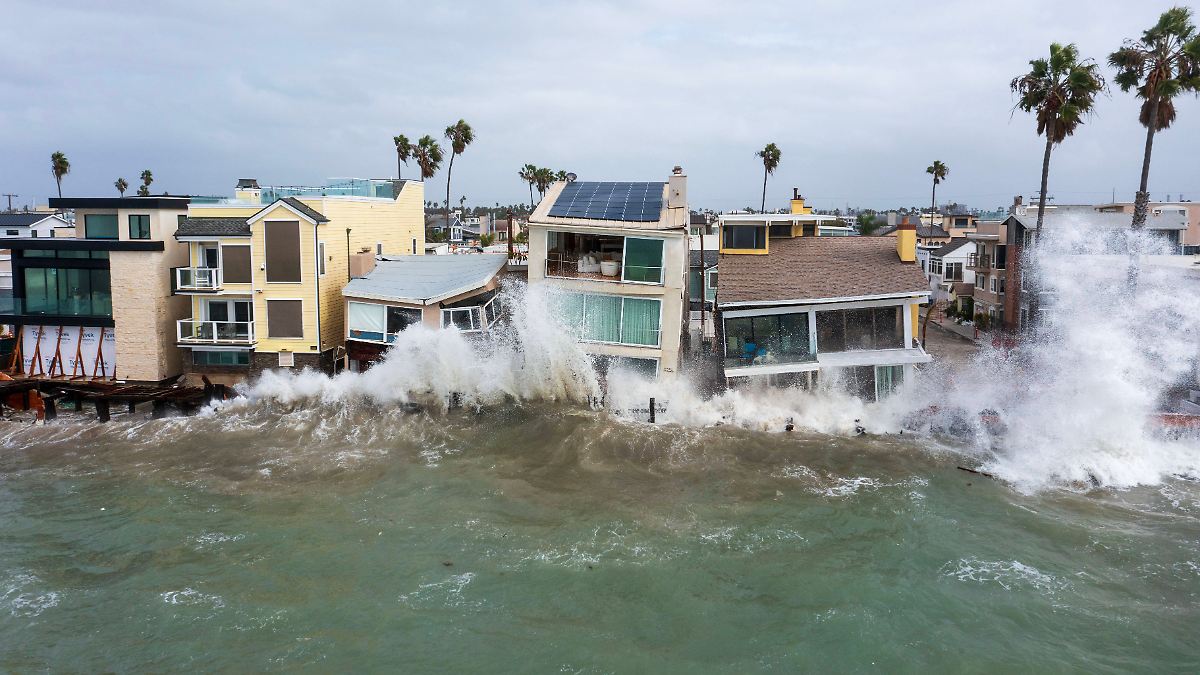
The WMO says El Niño could become exceptionally strong by the end of 2026.
The natural weather pattern begins with warmer-than-usual surface water in the tropical Pacific and can shift rainfall and temperatures around the world.
Pacific temperatures could reach 3.8°C above average between November and January, with the event expected to peak around December.
Earlier El Niño events in the WMO’s records reached about 3°C above average.
Some regions face drought while others risk floods, and extreme heat is also expected.
The outlook points to risks for farming, water supplies, health services and livelihoods, including in Africa, South-East Asia and parts of the Americas.
El Niño is not caused by climate change, but global warming can make its effects more intense.
The WMO urges governments to prepare now using forecasts and early-warning systems; the event’s effects could continue into 2027.

The World Meteorological Organization (WMO) warned that El Niño could reach unprecedented strength, bringing a risk of extreme weather around the world.
Sea-surface temperatures in the tropical Pacific could rise to 3.8°C above average between November 2026 and January 2027.
The event is expected to peak around December 2026, though its effects could continue into 2027.
The WMO warned of shifting rainfall patterns, with some regions facing drought and others heavier rain, flooding or extreme heat.
UN officials urged governments and humanitarian agencies to prepare, warning of risks to vulnerable communities and livelihoods.
- Who
- The World Meteorological Organization and UN officials, including WMO Secretary-General Celeste Saulo, issued the warning.
- What
- El Niño could reach unprecedented strength and raise the risk of droughts, floods and extreme heat.
- When
- The warning was issued on Wednesday, October 21, 2026. Pacific temperatures could be 3.8°C above average from November 2026 to January 2027.
- Where
- The forecast concerns the tropical Pacific and weather impacts across several world regions.
- Why
- El Niño shifts rainfall patterns and influences temperatures around the world.
This story does not have two clearly opposing sides.
The WMO forecasts tropical Pacific sea-surface temperatures could reach 3.8°C above average.
The El Niño event is expected to peak.
Effects of the event could persist, according to the WMO outlook.
- Forecast temperature anomaly
- 3.8°C above average
- Forecast period
- November 2026 to January 2027
- Expected peak
- December 2026
- Sea-surface temperature threshold for El Niño
- 0.5°C above average
- Potentially affected regions
- East Africa, southern Africa, South-East Asia and parts of the Americas
3 sources
What people are saying
We have not seen in our records 3.8. We have seen around [3 C] in some record El Niños before, with very substantive impacts across the world. So we are beyond that limit.
This is literally off the monitoring charts that we have used for the past four decades
This El Niño is the behemoth, it is a wrecking ball. It will tear through Latin America, Eastern and Southern Africa, Asia and the Pacific with extreme heat, droughts and flood