

Science & Tech · Science & Environment · 2 hrs ago
Delhi pollution lab cannot identify origins of major pollution sources
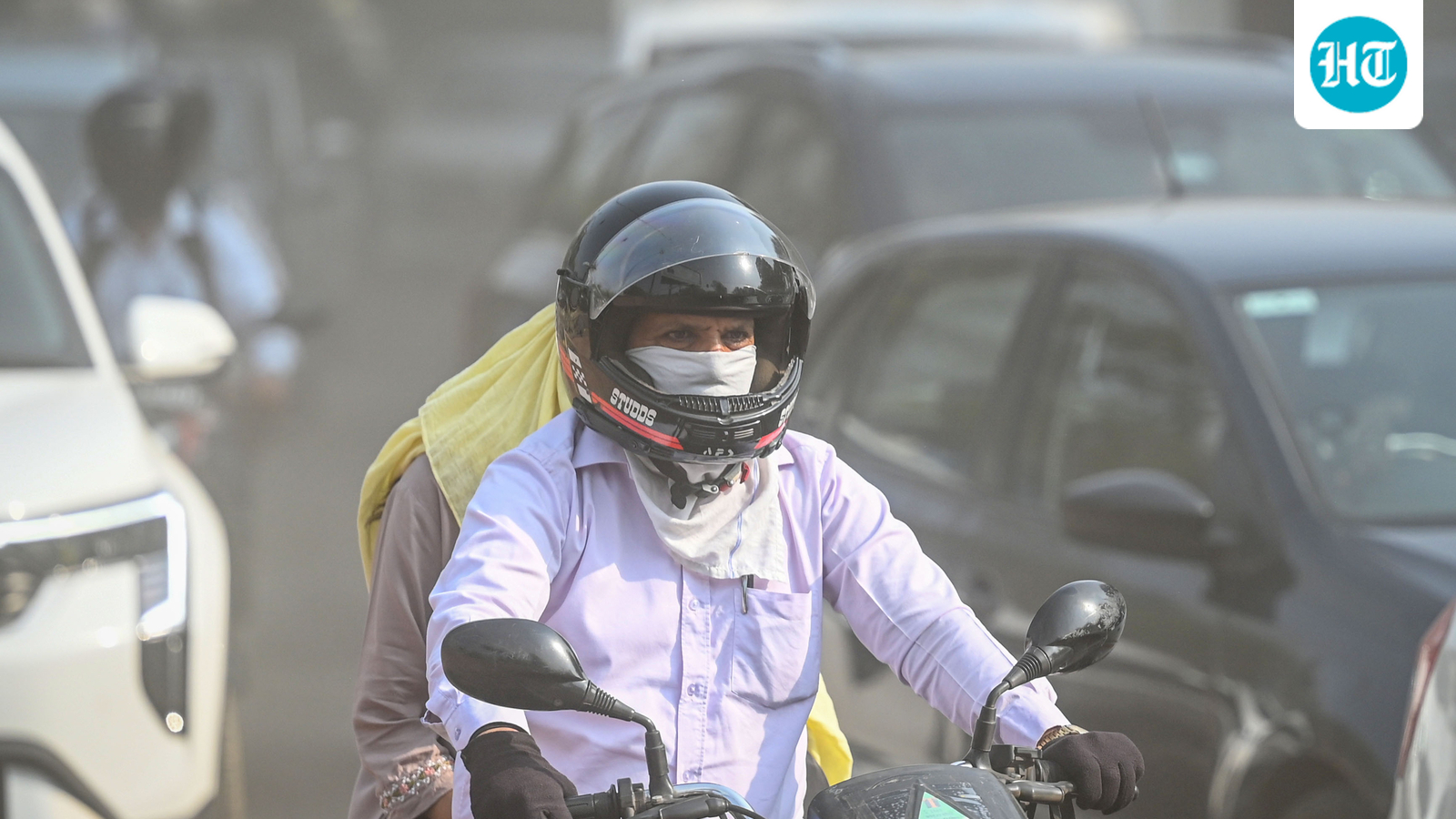
Delhi’s new air pollution lab found secondary pollutants made up a large share of PM2.5 in its estimates from October 20 to 24.
These particles form in the air when gases react, rather than being emitted directly.
The lab could not yet identify where those secondary pollutants originally come from.
Its PM2.5 readings were also far below readings from Delhi’s monitoring stations, and officials said the new site was having early technical problems.
The findings matter because unclear sources make it harder to target pollution controls.
The lab’s work is meant to support pollution research and government action based on scientific evidence.
Its prediction model still uses an emissions estimate based on 2016 surveys, and an updated estimate is expected by June next year.
The next phase of the lab’s work is expected to separate vehicle pollution by diesel, CNG and petrol, within about two weeks.

IITM’s new Delhi pollution lab cannot identify the original sources of a large share of the PM2.5 it measures.
Secondary pollutants accounted for 29.3% to 42.2% of the lab’s daily PM2.5 estimates from October 20 to 24.
The lab’s PM2.5 reading was also far below readings from Delhi monitoring stations on October 22.
IITM’s prediction model still uses a 2021 emissions estimate based on surveys conducted in 2016.
The lab’s next phase is expected to separate vehicle pollution by diesel, CNG and petrol vehicles.
- Who
- The Indian Institute of Tropical Meteorology (IITM) operates the new pollution lab. Scientist Sachin Ghude oversees it.
- What
- The lab’s measurements cannot yet identify the original sources of secondary pollutants, which made up a large share of its PM2.5 estimates.
- When
- The lab’s estimates cited in the report cover October 20 to 24. The article was published on October 25, 2026.
- Where
- New Delhi, India. The lab is at New Rajendra Nagar.
- Why
- Secondary aerosols form through chemical reactions between gases in the atmosphere, and officials said the lab does not yet have a system to trace them to their original sources.
This story does not have two clearly opposing sides.
The lab’s daily estimates put secondary pollutants at 29.3% to 42.2% of PM2.5.
The lab recorded PM2.5 of 55.3 micrograms per cubic metre, compared with a middle reading of 117.1 across 37 Delhi monitoring stations.
The Advanced Atmospheric Chemistry and Aerosol Toxicity Analysis Laboratory was inaugurated at New Rajendra Nagar.
Sachin Ghude said the lab expected to split the vehicle share among diesel, CNG and petrol vehicles.
A replacement for the prediction model’s emissions estimate was expected.
- Secondary pollutants
- 29.3% to 42.2% of daily PM2.5 estimates, October 20–24
- Vehicles
- 19.4% to 27.6% of daily PM2.5 estimates, October 20–24
- Lab PM2.5 reading
- 55.3 micrograms per cubic metre on October 22
- Delhi monitoring stations
- Middle reading of 117.1 micrograms per cubic metre across 37 stations on October 22
- Lab equipment
- 25 instruments costing about ₹80 crore
- Emissions estimate
- 2021 inventory compiled using surveys done in 2016
What people are saying
Unlike primary, which are emitted directly into the air, secondary aerosols form when gases undergo chemical reactions in the atmosphere and get converted into particles.
We are working on that now, to try and find how these are forming. While we know this is a complex reaction of gases and VOCs, the original source is not known.
ensuring that action is based on scientific evidence
The PM 2.5 data will reflect accurately, shortly