Health · Mental Health · 2 days ago
NIMHANS study links loneliness in parents of emigrated children to distress

Researchers studied 64 parents whose adult children had moved abroad.
Parents who reported more loneliness also reported more psychological distress, difficulty managing emotions and excessive series watching.
Women in the study reported more loneliness and distress than men.
The study found links, but it cannot show that loneliness caused these problems.
The findings point to the importance of social and psychological support for parents living apart from their children.

A NIMHANS exploratory study found that loneliness among parents whose adult children had emigrated was associated with greater psychological distress, difficulty regulating emotions and problematic series watching.
The study examined 64 parents aged 45 to 65 from Karnataka, Haryana and Punjab whose adult children had lived away from home for at least two years.
Of the participants, 22 (34.3%) were classified as having higher levels of loneliness and 42 (65.7%) as having lower levels.
Women in the study reported significantly higher loneliness and psychological distress than men.
The researchers said the cross-sectional study identified associations but could not establish whether loneliness caused distress or excessive viewing, or determine the direction of those relationships.
The authors said support to strengthen social connections, emotion-regulation strategies and healthier technology use could help parents adjust to the empty-nest phase.
- Who
- Researchers from NIMHANS and 64 parents whose adult children had emigrated
- What
- A study found associations between loneliness, psychological distress, difficulty regulating emotions and problematic series watching
- When
- Published on October 10, 2026
- Where
- Participants were from Karnataka, Haryana and Punjab
- Why
- To examine emotional well-being among parents adjusting to life after their adult children moved abroad
This story does not have two clearly opposing sides.
We found a significant association between loneliness and psychological distress. Loneliness was also associated with difficulties in emotion regulation and problematic series watching, which refers to excessive or difficult-to-control viewing that interferes with everyday functioning. This also resulted in the risk of developing non-communicable diseases (NCDs),
As it was cross-sectional, it could identify associations but not determine the direction of the relationships,
This story does not have a timeline yet.
- Participants
- 64 parents: 30 fathers and 34 mothers
- Age range
- 45 to 65
- Higher-loneliness group
- 22 participants (34.3%)
- Lower-loneliness group
- 42 participants (65.7%)
- Study location
- Karnataka, Haryana and Punjab
Sources
Related news

UNICEF Korea and Tomorrow X Together launch youth mental health chatbot

Gifted education expert warns Brazil’s new student register could exclude some children

Study links cannabis-related anxiety in mice to central amygdala neurons
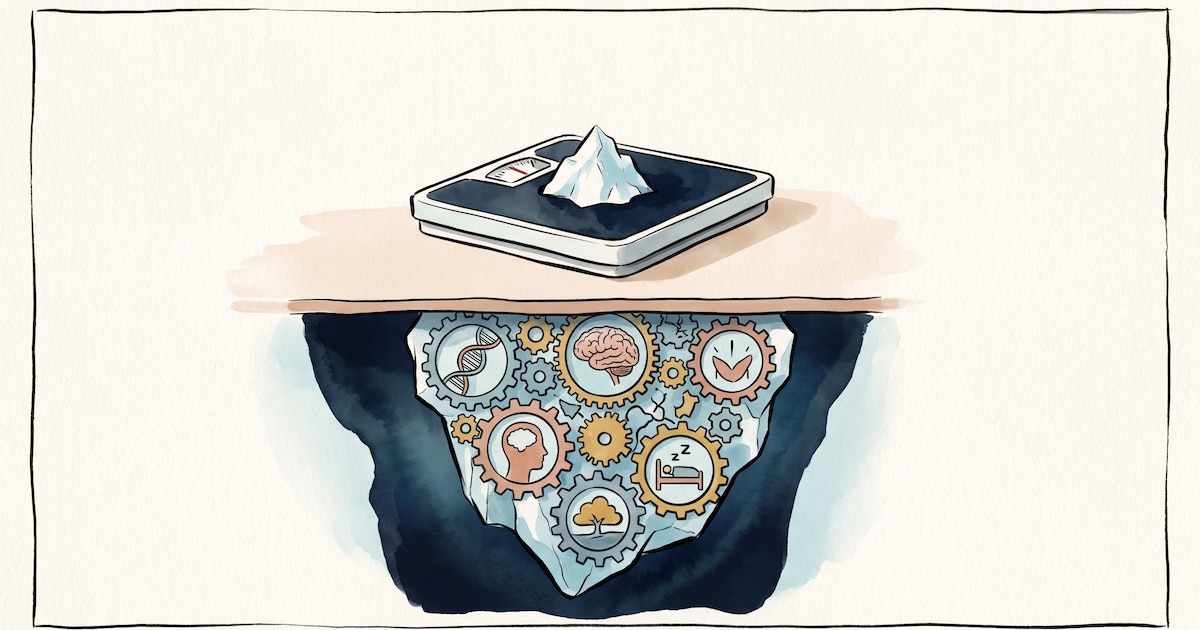
Psychological support can improve weight-loss treatment

Interest in Wellness Rooms Grows as Research Examines Nature and Health

Why “I’m Sorry You Feel This Way” Can Sound Like a Non-Apology

Ambition Can Help People Succeed but May Also Undermine Trust

Couples urged to consider consensual masturbation as a shared sexual option

Fathers’ Regret Can Reflect What They Lost in Themselves

Psychotherapist links anxiety, anger and creativity

Mother’s work commitment clashes with urgent care for her daughter