

Health · Fitness & Nutrition · 2 hrs ago
Short Squat Sessions Built Similar Strength to One Longer Workout in Small Study
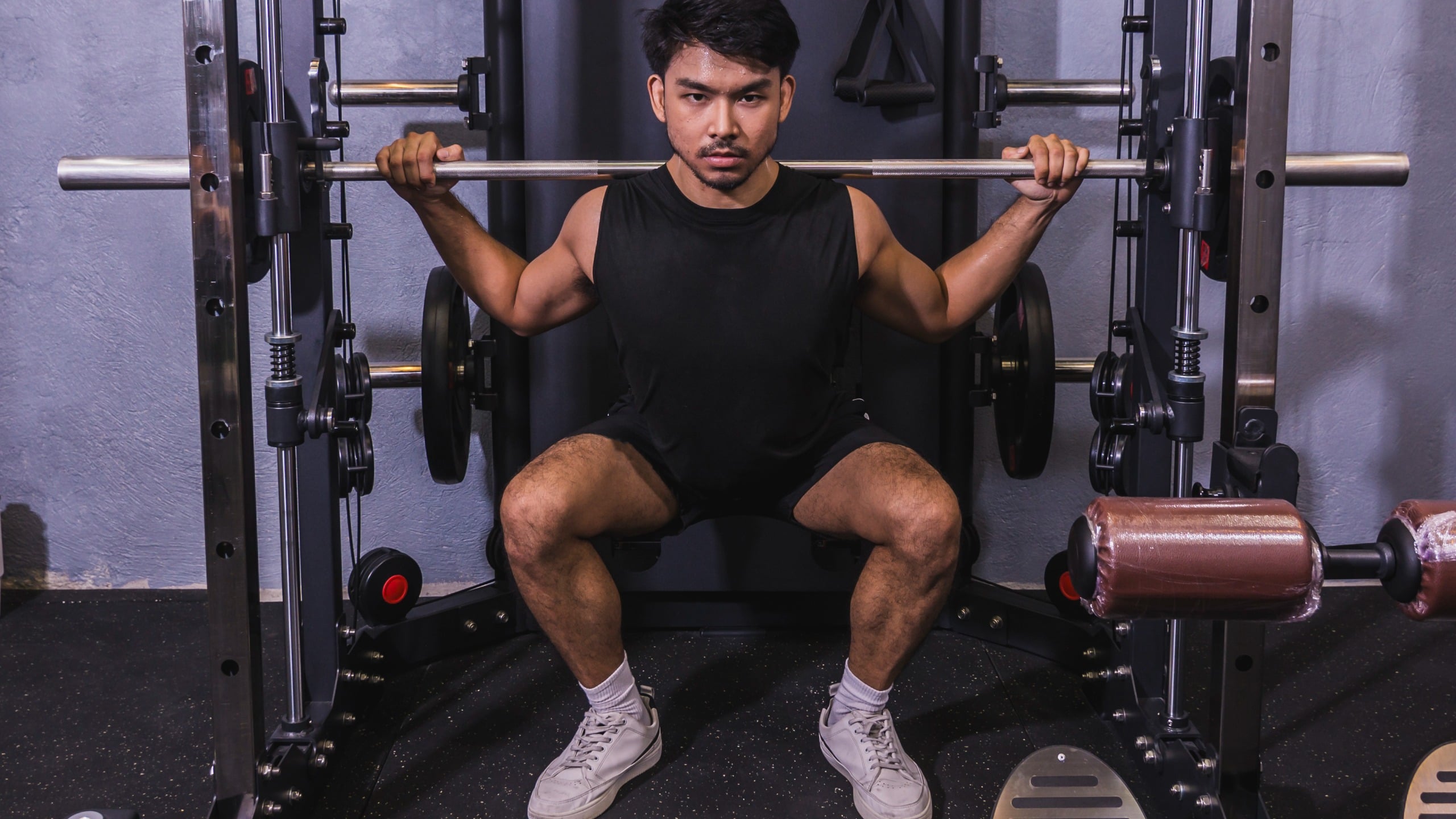
A small study found that brief squat sessions built strength about as well as one longer workout.
The trial involved 45 male students aged 18 to 25 who already lifted weights, and was led by scientists at Tongji University in China.
For eight weeks, participants trained three times a week, either doing three one-minute bouts of 20 weighted squats or one session of 60 squats.
Both training groups improved in strength and muscular endurance compared with a group that did not receive supervised training, with no significant difference between the two training approaches.
Those who spread out their squats said they enjoyed the workouts more, and short sessions may be easier to fit into a busy day.
The results suggest that splitting resistance exercise into short bouts may be a practical alternative to a continuous workout for people short on time.
More research is needed to test the approach over longer periods and with a wider range of people.

A small study found that brief, repeated squat sessions produced strength and endurance improvements comparable to one longer session.
The eight-week trial involved 45 male students aged 18 to 25 who regularly lifted weights.
Participants trained three times a week, either in three short bouts or one continuous session.
Those doing short sessions reported enjoying the workouts more.
The article gives conflicting descriptions of the results: it first reports no significant differences between the two training approaches, then says continuous training produced greater gains before the text cuts off.
- Who
- Researchers at Tongji University studied 45 male students aged 18 to 25 who regularly lifted weights.
- What
- The study compared short, repeated bouts of weighted squats with a single continuous squat session.
- When
- The program lasted eight weeks. The article was published on October 28, 2026.
- Where
- The researchers were at Tongji University in China; the location of the training sessions is not stated.
- Why
- To test whether distributing resistance training across brief sessions could produce results comparable to a continuous workout.
This story does not have two clearly opposing sides.
Participants began an eight-week squatting program and had their strength and endurance tested.
Participants trained three times a week in either three one-minute bouts or one session of 60 weighted squats.
Researchers tested participants again and compared strength and endurance results.
- Participants
- 45 male students, aged 18 to 25
- Trial length
- Eight weeks
- Training frequency
- Three times a week
- Short-session format
- Three one-minute bouts, each with 20 weighted squats
- Continuous-session format
- One session of 60 weighted squats
- Study outlet and journal
- ScienceAlert; Journal of Exercise Science & Fitness
What people are saying
The present findings do not support the conclusion that traditional continuous resistance training is superior
Instead, they indicate that distributing resistance training across multiple short bouts throughout the day provides neuromuscular adaptations comparable to those achieved through conventional continuous training
Dividing the same training volume into several brief sessions may reduce the perceived burden associated with prolonged exercise while allowing individuals greater flexibility to integrate exercise into their daily schedules