

Business · Markets · 15 hrs ago
China seeks wider access for foreign investors and more use of the yuan
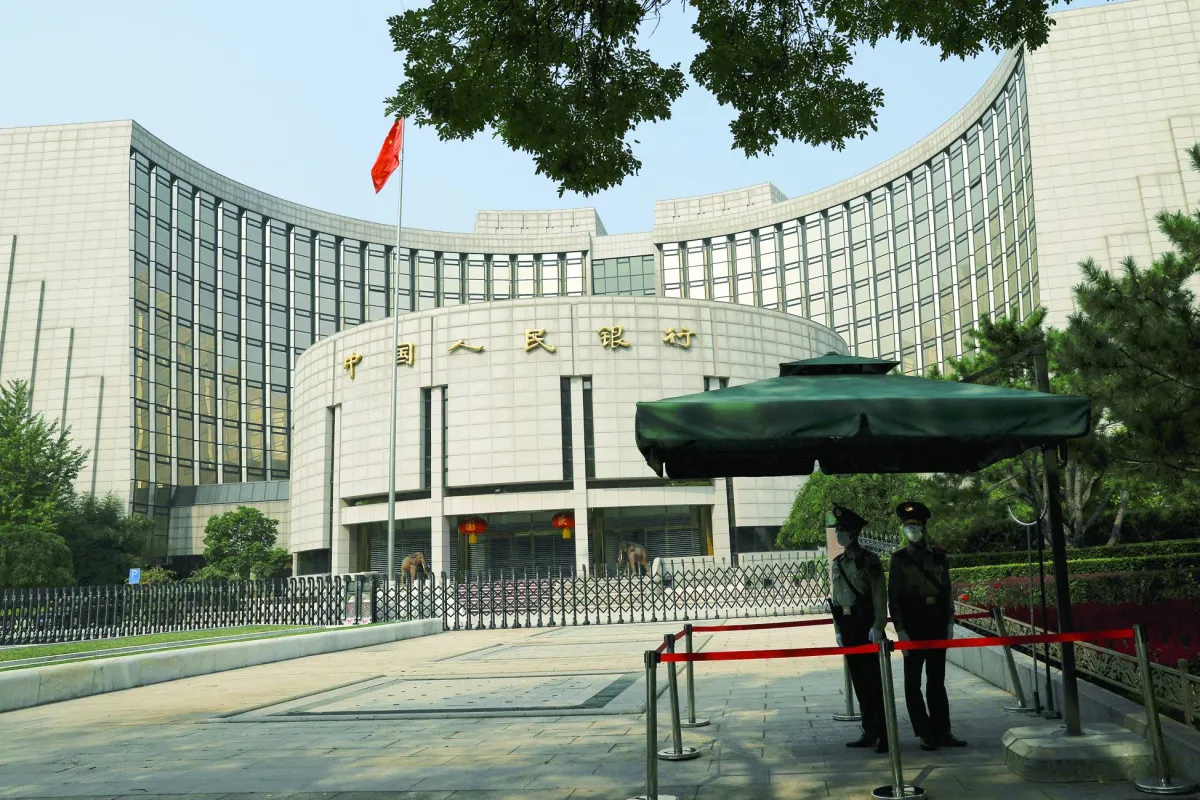
China plans to open its financial markets further to foreign investors and encourage wider international use of the yuan.
People’s Bank of China Governor Pan Gongsheng said yuan assets could help international investors diversify, citing China’s economic growth and advanced technology industries.
The central bank also plans to make yuan bonds more widely accepted as collateral and improve links between financial systems across borders.
These steps could make yuan assets more useful in international finance, though the currency’s wider role depends partly on how easily investors can enter and leave China’s markets.
China is also offering to work with the European Union on global economic imbalances and coordination of financial and monetary policies.
Finance Minister Lan Fo’an discussed cooperation with EU officials in Bangkok, as trade tensions continue; the EU is seeking to reduce its trade deficit with China, which reached 360 billion euros in 2025.
The next test is whether China can deliver reforms and ease disputes with Europe, while making its markets clearer and easier for foreign investors to use.

China says it will widen foreign investors’ access to its financial markets and promote greater international use of the yuan.
People’s Bank of China Governor Pan Gongsheng said yuan-denominated assets can meet international investors’ growing need to diversify portfolios.
The central bank plans to develop financial risk-management tools, expand the use of yuan bonds as eligible collateral and strengthen links between cross-border financial infrastructure.
China also said it was ready to work with the European Union on global economic imbalances and policy coordination.
The moves come amid trade tensions and efforts by Beijing to increase the yuan’s role in global finance.
- Who
- China, including the People’s Bank of China and its finance minister, Lan Fo’an.
- What
- China plans to widen foreign investors’ access to its financial markets and promote international use of the yuan, while offering economic dialogue with the EU.
- When
- Pan Gongsheng spoke on Thursday; Lan Fo’an spoke on Friday. The article was published on October 16, 2026.
- Where
- Pan spoke on the sidelines of the annual International Monetary Fund and World Bank meetings; Lan met EU officials in Bangkok.
- Why
- China says the steps can attract foreign capital, support investment and financing across borders, and address global economic imbalances through cooperation.
China
European Union
Response to global imbalances
China
China says imbalances are complex structural problems shaped by geopolitical tensions and protectionism, and calls for open cooperation and policy coordination.
European Union
The EU seeks to reduce its trade deficit with China.
Approach to trade disputes
China
China opposes handling trade disagreements through unilateral measures that could increase tensions.
European Union
The EU and China reached an agreement limiting Chinese hybrid-car exports to European markets.
China and the European Union reached an agreement limiting Chinese hybrid-car exports to European markets.
People’s Bank of China Governor Pan Gongsheng spoke about yuan assets and plans to support cross-border investment and financing.
Finance Minister Lan Fo’an met EU officials in Bangkok and said China was ready to cooperate on global economic imbalances.
- EU trade deficit with China
- €360 billion, or about $400 billion, in 2025
- Yuan bonds
- China plans to expand their international acceptance as eligible collateral in financial transactions
- Meeting location
- Bangkok
- Published
- October 16, 2026
What people are saying
Yuan-denominated assets can meet the growing needs of international investors to diversify their portfolios.
Rising geopolitical risks, profound shifts in the global economy and rapid advances in artificial intelligence are reshaping the international investment environment.
Beijing is ready to cooperate with Brussels to improve communication on global economic imbalances.
They should be addressed from a comprehensive and objective perspective.