

Science & Tech · Science & Environment · 2 hrs ago
Macaques avoided food that looked contaminated after a deadly outbreak
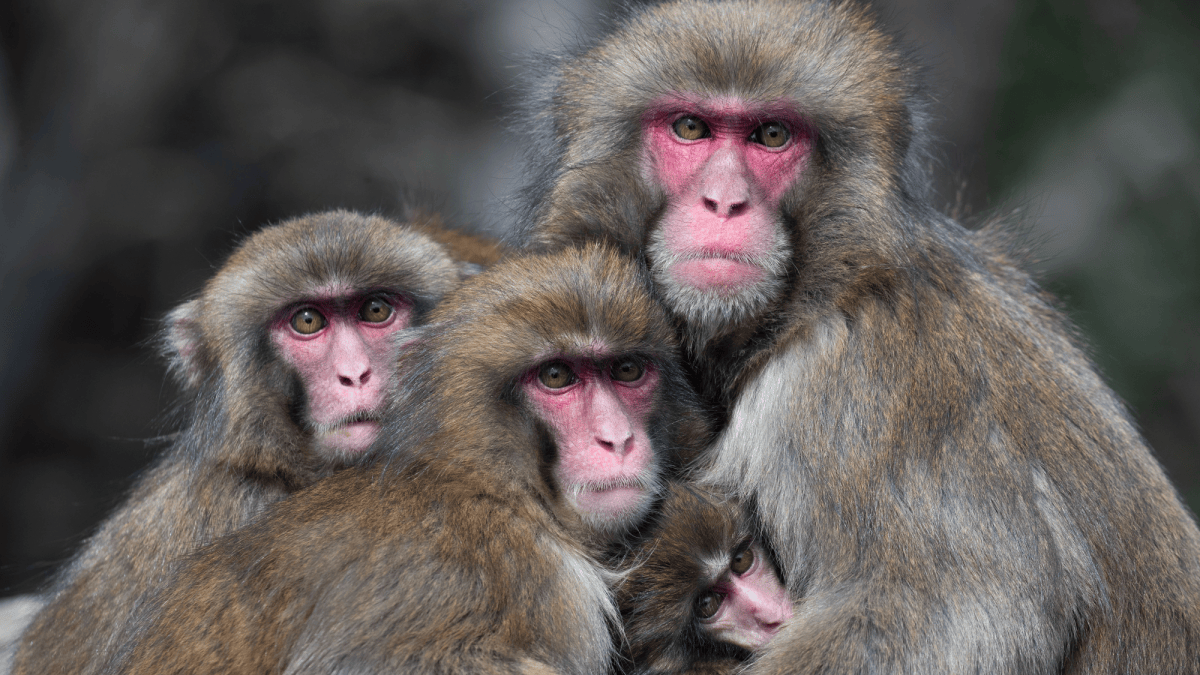
Japanese macaques at a southern Texas sanctuary became more cautious about food that looked contaminated after a deadly disease outbreak in 2020.
The outbreak involved simian retrovirus Type II, which can cause severe illness and is mainly spread through bites and scratches.
Researchers tested 55 macaques from groups that had or had not experienced the outbreak, offering food on a clean surface or one that appeared covered with feces.
Outbreak-exposed monkeys ate from the apparent contamination in 47 percent of trials, compared with 79 percent for monkeys from the group not exposed to the outbreak.
The food and feces were sealed beneath clear epoxy, so the monkeys could see them without touching the contamination.
The change suggests that seeing disease affect others can prompt animals to avoid possible sources of infection, even when the disease is not spread that way.
The findings add evidence that such avoidance may be part of an ancient behavioral response to disease, but no next steps are stated.

Japanese macaques that lived through a deadly disease outbreak became less likely to eat food that appeared contaminated.
Researchers tested 55 macaques by offering food on a clean surface or above macaque feces sealed under clear epoxy.
Macaques from outbreak-exposed groups ate from the apparently contaminated surface in 47 percent of trials.
Macaques from the group that had not experienced the outbreak did so in 79 percent of trials.
The findings suggest that exposure to illness and death can change food-avoidance behavior even when the disease is not spread through food or feces.
- Who
- Japanese macaques and the researchers who studied their behavior.
- What
- Macaques exposed to a deadly outbreak were less likely to eat food that appeared contaminated.
- When
- The outbreak occurred in 2020. The study was published on October 20, 2026.
- Where
- A primate sanctuary in southern Texas.
- Why
- Researchers examined whether experiencing an outbreak changes behavior that may help avoid infection.
This story does not have two clearly opposing sides.
Staff at a primate sanctuary in southern Texas confirmed an outbreak of simian retrovirus Type II.
Researchers tested 55 macaques on whether they would eat food presented above a surface covered with macaque feces.
The study was published in Royal Society Open Science.
- Macaques tested
- 55
- Outbreak year
- 2020
- Outbreak-exposed groups
- Three
- Group without outbreak exposure
- One
- Trials eating from apparently contaminated surface
- 47 percent for outbreak-exposed macaques; 79 percent for macaques not exposed
- Test surface
- Macaque feces sealed under clear epoxy
3 sources
What people are saying
Even with no knowledge of how disease is transmitted, being exposed to others getting sick and dying changes the likelihood of engaging in behaviors that potentially could lead to some form of sickness.