

Health · Medical Research · 2 hrs ago
Review weighs beef’s nutritional value against its environmental costs
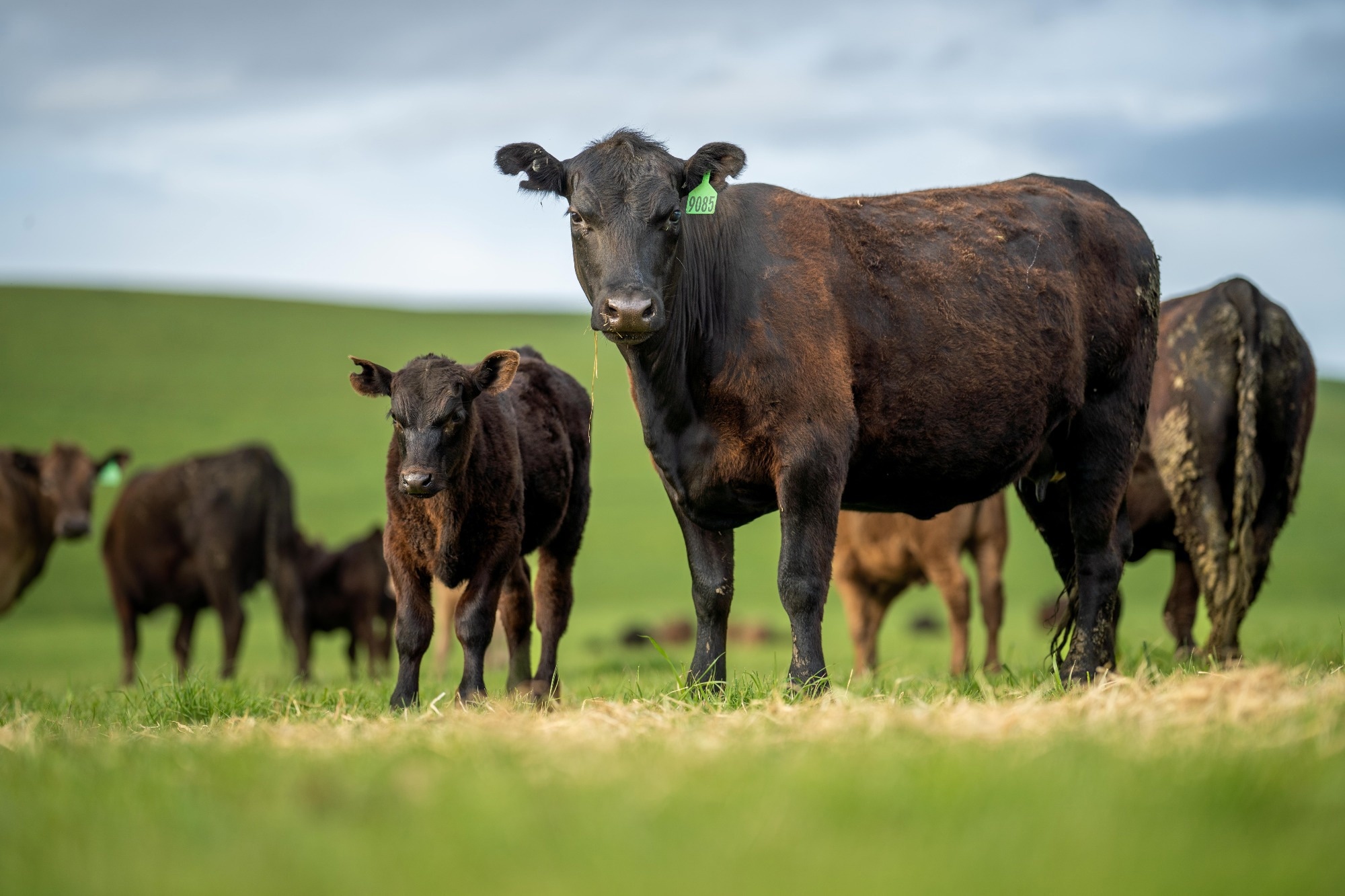
A review in the journal Animal Frontiers examined beef’s place in nutritious and sustainable food systems.
It found that beef provides protein and nutrients such as iron, zinc and vitamin B12, which can be important for some groups, including pregnant women, children and older adults.
In controlled trials, beef did not consistently worsen measured heart-health risk markers when included in balanced diets.
But cattle production also contributes to greenhouse gas emissions and uses land, creating environmental pressures.
The authors argue that food policy should weigh nutrition, environmental impacts and rural livelihoods together, rather than comparing foods only by weight or calories.
Guidance on red meat intake varies, and the review says future policy should account for these different considerations.

A review argues that beef can contribute important nutrients to balanced diets, while cattle production also carries environmental costs.
The authors say beef provides bioavailable micronutrients and high-quality protein and did not consistently worsen cardiometabolic risk markers in controlled trials.
They urge food policy to weigh nutrition, land use and rural livelihoods alongside environmental impacts.
Guidance on red meat intake varies, from about 350–500 grams a week in WHO and WCRF guidance to 100–105 grams a week in the EAT-Lancet reference diet.
- Who
- Researchers who wrote a narrative review on beef, nutrition and sustainability.
- What
- The review weighs beef’s nutritional contribution against environmental pressures and considers its place in sustainable food systems.
- When
- The review was published on October 22, 2026.
- Where
- In the journal Animal Frontiers. A geographic location is not stated.
- Why
- The authors aimed to address gaps in how nutritional, clinical and environmental evidence is considered and inform international agrifood policy.
This story does not have two clearly opposing sides.
This story does not have a timeline yet.
- Journal
- Animal Frontiers
- Review type
- Narrative review
- Publication date
- October 22, 2026
- WHO and WCRF guidance
- Approximately 350–500 g of red meat per week
- EAT-Lancet reference diet
- 100–105 g of red meat per week
- Livestock products
- Approximately one-third of global dietary protein