

World · Latin America · 4 hrs ago
Ernestina Ascencio’s family says Mexico has not delivered court-ordered reparations
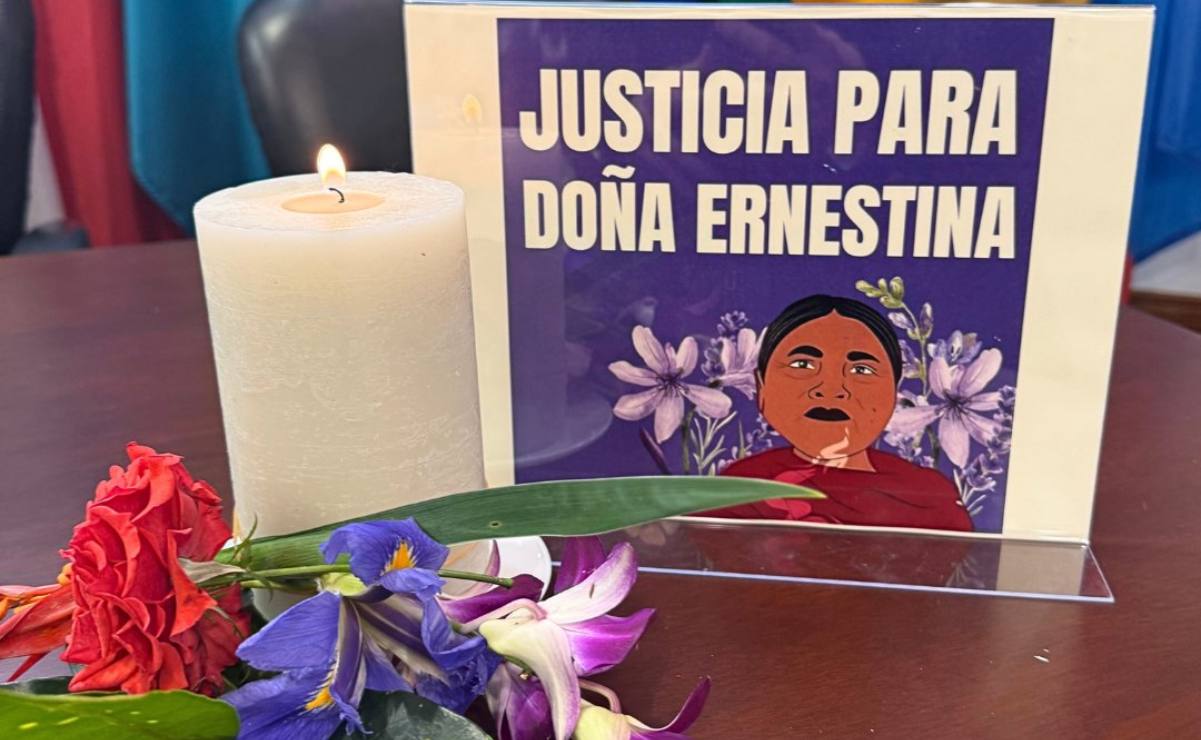
Ernestina Ascencio Rosario, an Indigenous woman from Veracruz, died after suffering assaults nearly 20 years ago.
In 2025, the Inter-American Court of Human Rights ordered Mexico to provide reparations for serious human rights violations in her case.
Her children say they have yet to receive full medical care or the compensation ordered by the court.
Six rights groups say delays continue despite meetings with government institutions over the past six months.
They also say the court’s deadline for health care has passed, and the state’s deadline for compensation has expired.
The family wants President Claudia Sheinbaum to lead a public acknowledgment of the state’s responsibility in Tetlatzinga, Veracruz, as the court ordered.
The groups are calling on Mexico to deliver the health care, payments and public acknowledgment without further delay.

Ernestina Ascencio’s family says Mexico has not provided court-ordered medical care or financial reparations.
Six human rights organisations said Ascencio’s children are still waiting for justice nearly 20 years after her death.
The Inter-American Court of Human Rights issued its ruling in 2025, ordering measures to repair harm to the family.
The organisations said deadlines for medical support and payments have passed, while administrative obstacles remain.
The family is also seeking a public recognition of responsibility led by President Claudia Sheinbaum in Veracruz.
- Who
- Ernestina Ascencio’s daughters and son say they have not received the reparations ordered for them. Six human rights organisations have raised the issue.
- What
- The family says Mexico has not delivered comprehensive medical care or financial reparations ordered by the Inter-American Court of Human Rights.
- When
- The court issued its ruling in 2025. The article was published on October 22, 2026.
- Where
- Tetlatzinga, in the municipality of Soledad Atzompa, Veracruz, is the requested location for a public recognition of responsibility.
- Why
- The organisations say delays and administrative obstacles have prevented the family from receiving the court-ordered measures.
This story does not have two clearly opposing sides.
The Inter-American Court of Human Rights issued its ruling on the violations of Ernestina Ascencio’s human rights.
The family and government institutions held dialogue meetings to follow up on the ruling.
El Universal reported that the family was still waiting for medical care and financial reparations.
- Ruling
- Inter-American Court of Human Rights, 2025
- Family members awaiting reparations
- Ascencio’s daughters and son
- Requested public event
- Tetlatzinga, Soledad Atzompa, Veracruz
- President asked to lead event
- Claudia Sheinbaum
- Organisations raising concerns
- Six human rights organisations
What people are saying
Difficulties in coordination between institutions cannot become new barriers to the exercise of victims' rights, even less so when their health, well-being and dignity are at stake.
The persistence of these delays, particularly regarding measures intended to address their most immediate needs, calls into question the State's real willingness to put an end to the wrongs and suffering inflicted on them.
A judgment of the Inter-American Court represented a historic step for the family of Mrs. Ernestina and for the struggle of Indigenous women for truth, justice and equality in Mexico. But an international judgment does not fully achieve its purpose while its reparations remain pending.