

Politics · India · 11 hrs ago
Indian ambassador rebukes U.S. religious freedom body over Sharjeel Imam post
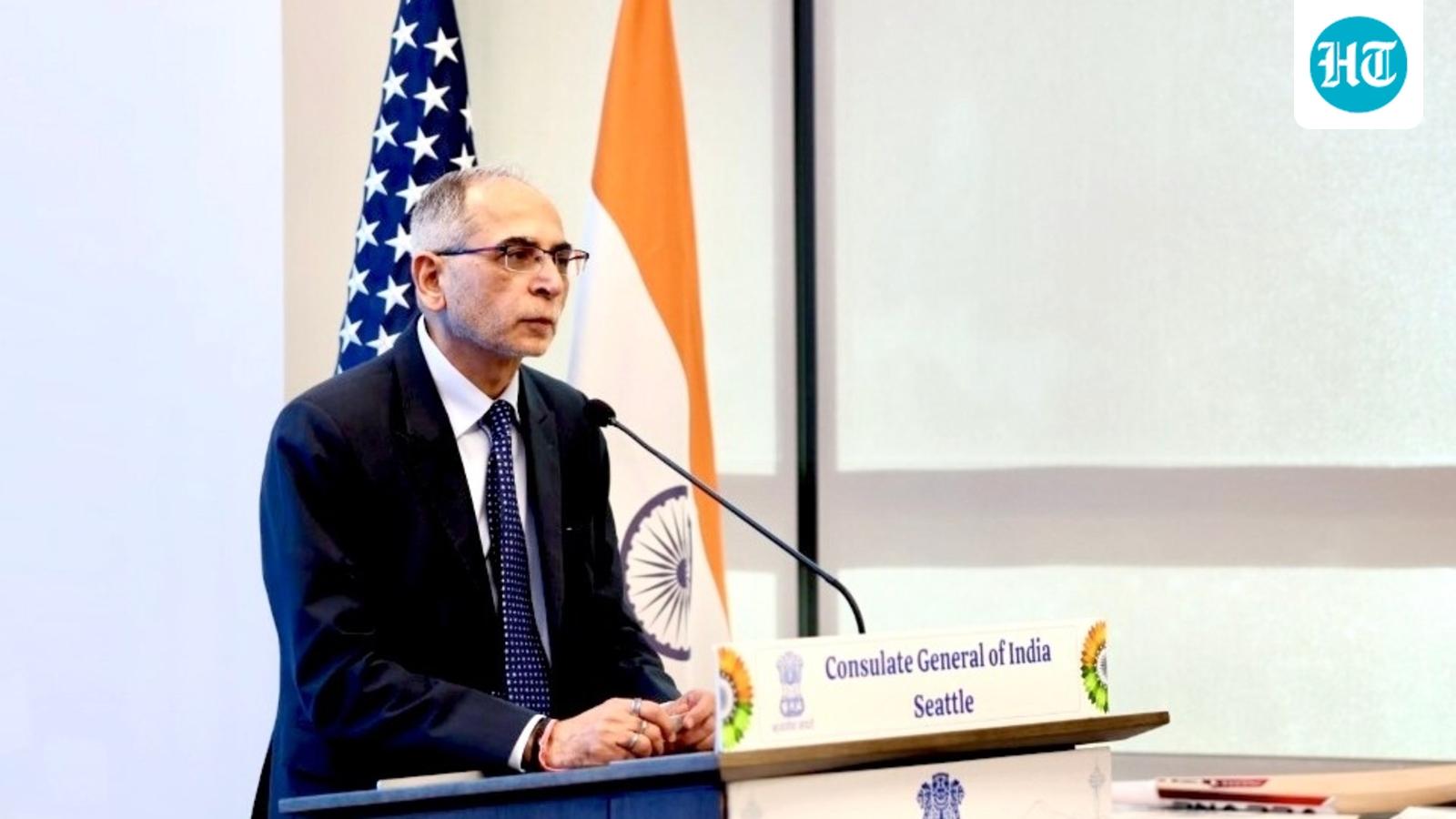
India’s ambassador to the United States, Vinay Mohan Kwatra, criticised USCIRF after the commission posted about activist Sharjeel Imam.
USCIRF described Imam as a Muslim man detained in India for his religious freedom advocacy.
Imam is jailed under India’s anti-terrorism law over allegations linked to the 2020 Delhi riots, which killed 53 people and injured more than 700.
The riots broke out during protests against the Citizenship (Amendment) Act and the National Register of Citizens.
Kwatra said USCIRF had no standing to judge Indian citizens’ constitutional rights and accused it of partisan, ill-informed assessments.
USCIRF is a U.S. government advisory body created in 1998, and its recommendations are not binding on the U.S. government.
The exchanges add to wider criticism between India and the commission, but no further action was announced.

Indian Ambassador to the United States Vinay Mohan Kwatra criticised the U.S. Commission on International Religious Freedom after it posted about jailed activist Sharjeel Imam.
The USCIRF described Imam as a Muslim man detained in India for his religious freedom advocacy.
Kwatra said the commission had no standing to judge the constitutional rights of Indian citizens and urged it to examine its own prejudices.
Imam has been booked under India’s Unlawful Activities (Prevention) Act over allegations connected to the February 2020 riots.
The commission’s recommendations are non-binding on the U.S. government.
- Who
- Indian Ambassador Vinay Mohan Kwatra and the U.S. Commission on International Religious Freedom.
- What
- Kwatra criticised the commission for its post about Sharjeel Imam and its comments on religious freedom in India.
- When
- Kwatra responded on Friday, November 13, 2026, according to The Hindu; Hindustan Times says Friday local time.
- Where
- The exchange took place on X. Kwatra was in Washington, D.C., according to The Hindu.
- Why
- The USCIRF posted about Imam, describing him as detained for his religious freedom advocacy; Kwatra said the commission’s assessments were partisan and ill-informed.
Vinay Mohan Kwatra and the Indian government
U.S. Commission on International Religious Freedom
Standing to assess India’s rights
Vinay Mohan Kwatra and the Indian government
Kwatra said the commission had no standing to judge Indian citizens’ constitutional rights.
U.S. Commission on International Religious Freedom
The commission posted about Imam’s detention in the context of religious freedom advocacy.
Characterisation of India
Vinay Mohan Kwatra and the Indian government
Kwatra said the commission’s assessments were partisan and ill-informed and said India is committed to religious freedom and equal rights for all faiths.
U.S. Commission on International Religious Freedom
The commission has raised concerns about religious freedom in India, including through posts about detained individuals.
The U.S. Commission on International Religious Freedom was established.
Riots erupted during protests against the Citizenship (Amendment) Act and the National Register of Citizens, leaving 53 people dead and more than 700 injured.
The USCIRF recommended targeted sanctions against India’s external intelligence agency and the RSS, and called for India to be designated a country of particular concern.
Kwatra criticised the USCIRF after it posted about Sharjeel Imam on X.
- Ambassador
- Vinay Mohan Kwatra
- Commission
- U.S. Commission on International Religious Freedom (USCIRF)
- Activist
- Sharjeel Imam
- Law
- Unlawful Activities (Prevention) Act
- Riots
- February 2020; 53 people killed and more than 700 injured
- Commission established
- 1998
3 sources
What people are saying
USCIRF has no locus standi to sit in judgment over the constitutional rights of Indian citizens.
Taking the same liberty that USCIRF so readily assumes, a word of advice: introspect on your own prejudices and stop lecturing others
a Muslim man detained in India for his religious freedom advocacy
We categorically reject its motivated and biased characterisation of India.
Posts on X
USCRIF has no locus standi to sit in judgment over the constitutional rights of Indian citizens. Its habitual partisan, ill-informed, and jaundiced assessments cannot diminish India’s constitutional commitment to religious freedom and equal rights for all faiths. India