

Health · Fitness & Nutrition · 9 hrs ago
WHO says 240 million adolescents get almost no weekly exercise
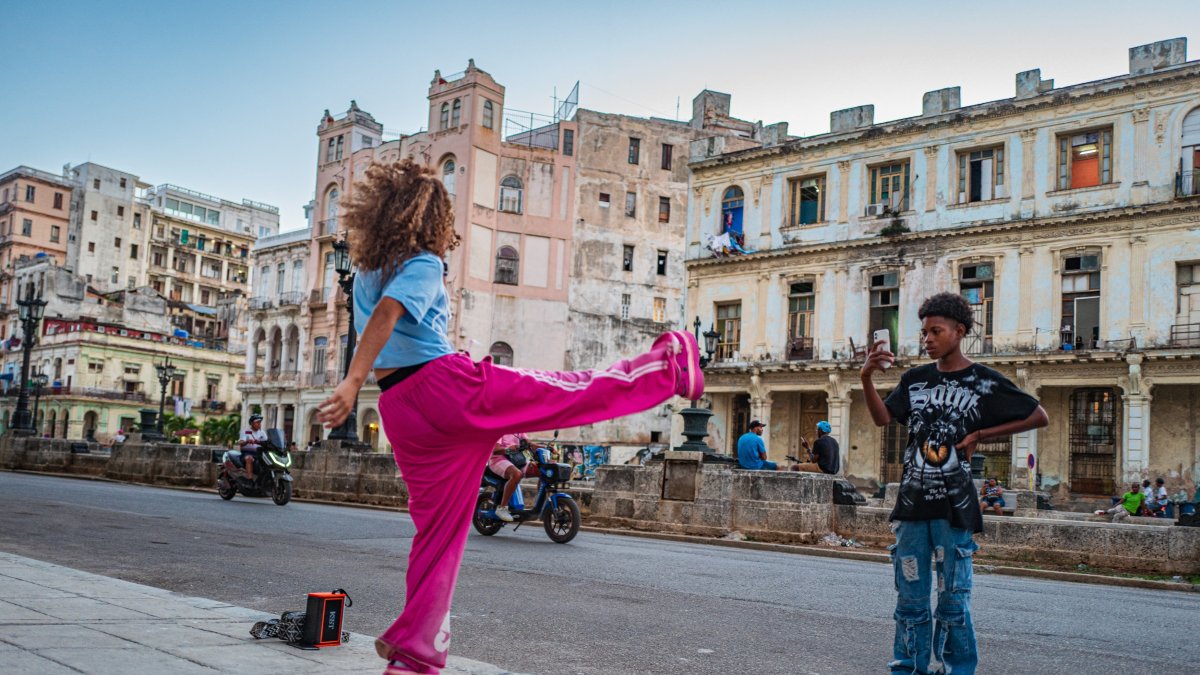
A WHO study estimates 240 million adolescents get almost no weekly exercise worldwide.
It covers young people aged 11 to 17 and draws on surveys of more than 3.2 million adolescents across 140 countries and territories.
About one in four reported no active day in the week before they were surveyed, while only 14% said they were active every day.
Girls were less active than boys in almost every country and region: 28% reported no active days, compared with 22% of boys.
Physical activity supports young people’s health and wellbeing, while inactivity raises the risk of heart disease, type 2 diabetes and some cancers.
Activity levels have barely changed in 15 years, and WHO says countries need policies that make exercise safe and accessible in everyday life, including at schools and in communities.

WHO estimates that about one in four adolescents worldwide had no active day in the previous week, while another report describes one in four as getting less than an hour of activity weekly.
The findings are based on surveys of more than 3.2 million adolescents aged 11 to 17 in 140 countries and territories.
Adolescents reported an average of 2.7 active days a week, and 14% were active every day.
Girls were less active than boys: 28% reported no active days, compared with 22% of boys.
WHO says physical inactivity raises risks of heart disease, type 2 diabetes and some cancers, and called for environments that make activity safe and accessible.
- Who
- The World Health Organization (WHO) and researchers reporting on adolescent physical activity.
- What
- WHO estimates that about one in four adolescents had no active day in the previous week. Health Policy Watch describes the finding as less than an hour of activity weekly.
- When
- The findings were released on November 4, 2026.
- Where
- Worldwide, based on surveys in 140 countries and territories.
- Why
- WHO says inactivity increases health risks and called for policies and environments that make physical activity easier and safer.
This story does not have two clearly opposing sides.
WHO first measured adolescent physical activity.
WHO measured adolescent physical activity again, with trends remaining approximately unchanged.
WHO released new global estimates based on surveys of adolescents in 140 countries and territories.
- Survey coverage
- 140 countries and territories
- Survey participants
- More than 3.2 million adolescents
- Age range
- 11 to 17 years
- Average active days
- 2.7 days per week
- Active every day
- 14% of adolescents
- Gender gap
- 28% of girls and 22% of boys reported no active days
3 sources
What people are saying
For 15 years, the world has made almost no progress in getting young people moving, and girls are being left furthest behind
The answer is not to tell adolescents to try harder. It is to build schools, streets and communities where moving, playing and being active is safe, easy and normal.