

Business · Economy · 12 hrs ago
Poland’s economy has grown rapidly since the 1990s
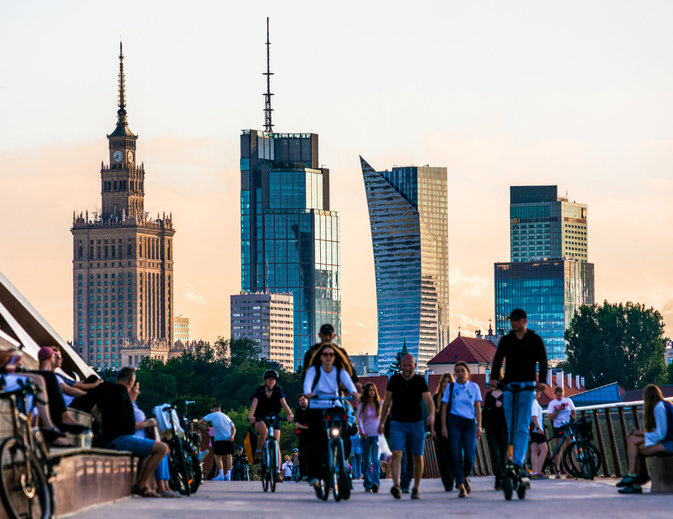
After the collapse of communist rule, Poland began a rapid shift to a market economy in 1990.
Finance Minister Leszek Balcerowicz introduced sweeping changes, including freeing prices, cutting subsidies and opening trade.
The early period brought severe disruption, but Poland returned to annual economic growth in 1992.
Its economy later benefited from joining NATO in 1999 and the European Union in 2004, which gave it access to a large market and funding for infrastructure.
Poland’s nominal GDP passed $1 trillion in 2025, and its economy has been catching up with Germany’s.
In 2024, more people moved from Germany to Poland than from Poland to Germany for the first time since records began.
The World Bank plans to end Poland’s development-loan program in 2031, a shift from receiving development loans to becoming a donor country.

Poland’s economy has grown rapidly since the 1990s, rising from a post-communist crisis to become one of the world’s 20 largest economies.
The article credits early market reforms, continued economic policies across changing governments and later access to the European Union’s market and funding.
Poland’s GDP was about 3.8% of Germany’s in 1990 and had reached about 21% by the time of the article.
In 2024, more people moved from Germany to Poland than from Poland to Germany for the first time since records began.
The article says Poland’s nominal GDP passed $1 trillion in 2025.
- Who
- Poland and its economy.
- What
- Poland has grown rapidly since the 1990s, reaching the world’s 20th-largest economy.
- When
- Growth began after the communist system fell in 1989, with major reforms introduced in January 1990.
- Where
- Poland.
- Why
- The article points to market reforms, sustained economic policies, EU membership and access to EU funding and markets.
This story does not have two clearly opposing sides.
Poland’s communist government fell, leaving the economy in severe crisis.
The Balcerowicz Plan introduced rapid market reforms, including price liberalisation and cuts to subsidies.
Poland became the first former communist country in Eastern Europe to record positive annual growth.
Poland joined NATO.
Poland joined the European Union and gained access to its market and funding.
More people moved from Germany to Poland than from Poland to Germany for the first time since records began.
- GDP share of Germany in 1990
- About 3.8%
- GDP share of Germany by the time of the article
- About 21%
- Nominal GDP
- Passed $1 trillion in 2025
- Global economic ranking
- 20th in 2025
- EU membership
- Joined in 2004
- Annual inflation in 1989
- About 600%
1 source
What people are saying
Poland is a country of modern economic miracles, second only to Korea.
Many Poles are returning to Poland from Germany. There are plenty of jobs but not enough workers, and wages are the same as here.
Life there is now very convenient and the income is decent. Starting salaries are not as high as in Germany, but the Polish economy is getting stronger.