

Politics · United States · 15 hrs ago
California’s proposed health-plan tax faces a lawsuit and consumer-cost warnings

California plans to change a tax on health plans to help keep funding Medi-Cal, the state’s health coverage program.
The change follows federal restrictions that will prevent the state from continuing its current tax structure after 2026.
The revised tax could apply to private health plans starting in 2027, if it receives federal approval.
California Medical Association and California Association of Health Plans are suing to block it, arguing it conflicts with voter-approved Proposition 35 limits on health-plan taxes and rules for spending the revenue.
Insurers warn the cost could be passed to customers, estimating about $100 more per person each year; another estimate says a family of four could pay $400 more annually.
California spent an estimated $12.4 billion in 2025 on healthcare for immigrants without legal status, adding to debate over Medi-Cal costs.
The state disputes the groups’ legal claims, and the lawsuit will challenge its plan.

California Gov. Gavin Newsom and Democratic lawmakers backed a redesigned tax on health plans to preserve Medi-Cal funding after federal restrictions.
The tax could take effect in 2027 if federally approved and may increase premiums for people with private insurance.
The California Medical Association and the California Association of Health Plans are suing to block the increase, alleging it violates voter-approved limits.
The groups say the tax conflicts with Proposition 35, while the state disputes their claims.
Critics estimate the tax could add about $100 per person a year, or $400 for a family of four.
- Who
- California Gov. Gavin Newsom and Democratic lawmakers backed the proposal. The California Medical Association and California Association of Health Plans are suing to block it.
- What
- California proposed a redesigned tax on health plans to support Medi-Cal funding.
- When
- The tax could begin in 2027 if federally approved.
- Where
- California.
- Why
- Federal restrictions will prevent California from continuing its existing health-plan tax structure after 2026, and the state wants to preserve Medi-Cal financing.
California state officials
California Medical Association and California Association of Health Plans
Legality
California state officials
The state says Proposition 35 does not make the proposed tax increase illegal.
California Medical Association and California Association of Health Plans
The groups allege the tax violates voter-approved limits on health-plan taxes and restrictions on how the revenue can be spent.
Consumer costs
California state officials
The state backs the tax to preserve Medi-Cal financing; the article does not state its position on the cost estimates.
California Medical Association and California Association of Health Plans
Health insurers warn the tax could be passed on to consumers through higher premiums, estimating about $100 more per person annually.
California voters passed Proposition 35 and made it law. The state does not get to ignore that law simply because following the law is inconvenient.
the estimates are that would increase insurance for families by $400 a year
The changes meant California could not continue its existing health-plan tax structure after 2026.
California spent an estimated $12.4 billion on healthcare for immigrants without legal status, the Associated Press reported.
Newsom backed a redesigned health-plan tax to preserve Medi-Cal financing.
The proposed tax increase could begin if federally approved.
- Potential start
- 2027, if federally approved
- Estimated cost per person
- About $100 a year
- Estimated cost for a family of four
- About $400 annually
- Healthcare costs for immigrants without legal status
- Estimated $12.4 billion in 2025
- Voter-approved measure
- Proposition 35
- Lawsuit plaintiffs
- California Medical Association and California Association of Health Plans
Sources
Related news

Trump’s plan to import Russian diesel draws bipartisan criticism
Judge orders Trump administration to stop government-funded ads

Senator Adam Smith says Trump should be impeached if Democrats win Congress

Tillis says Trump’s Russian diesel deal may violate US law
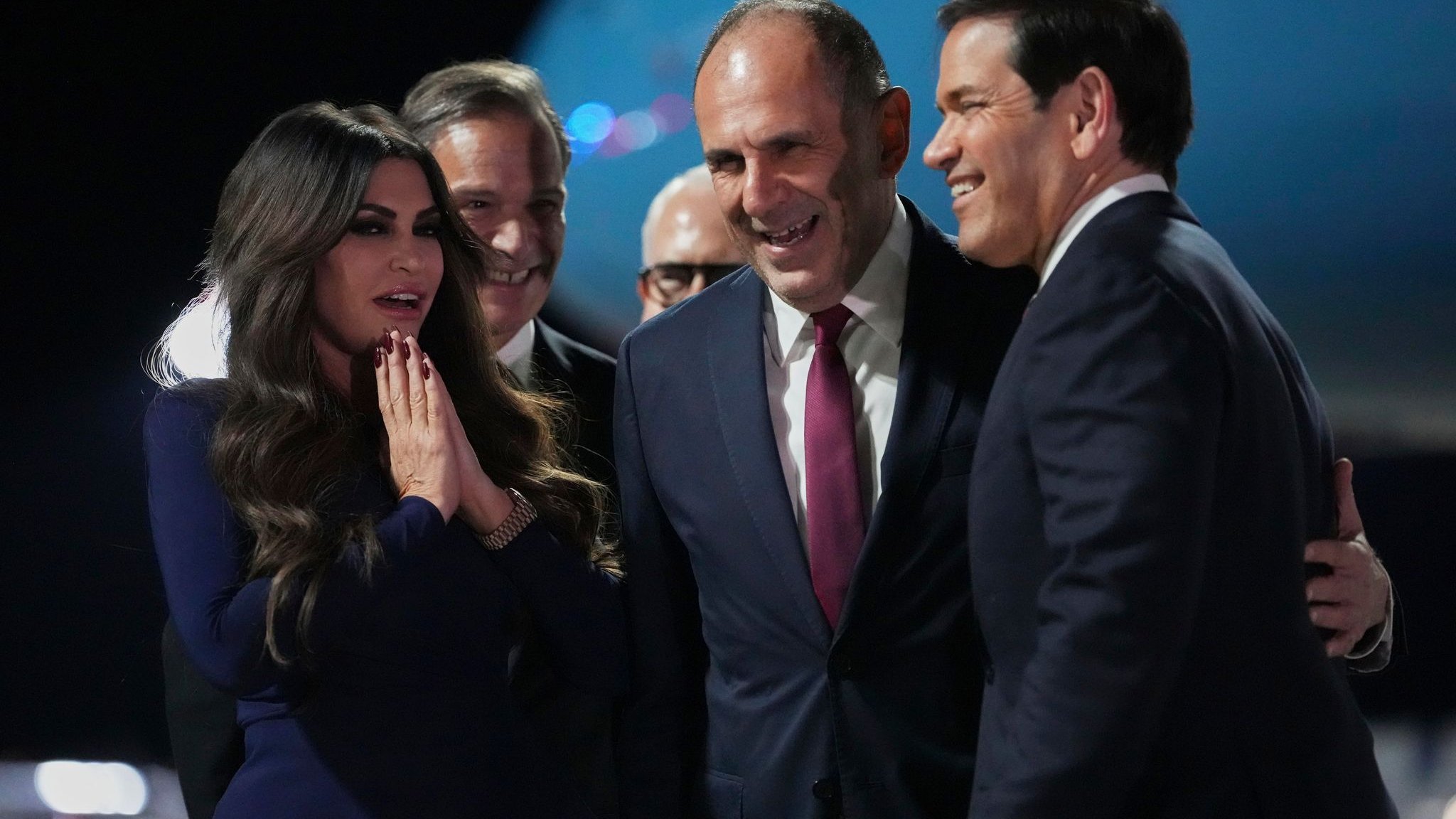
Calls grow for inquiry into allegations against US ambassador in Greece

James Talarico says flu kept him off Texas campaign trail for 10 days
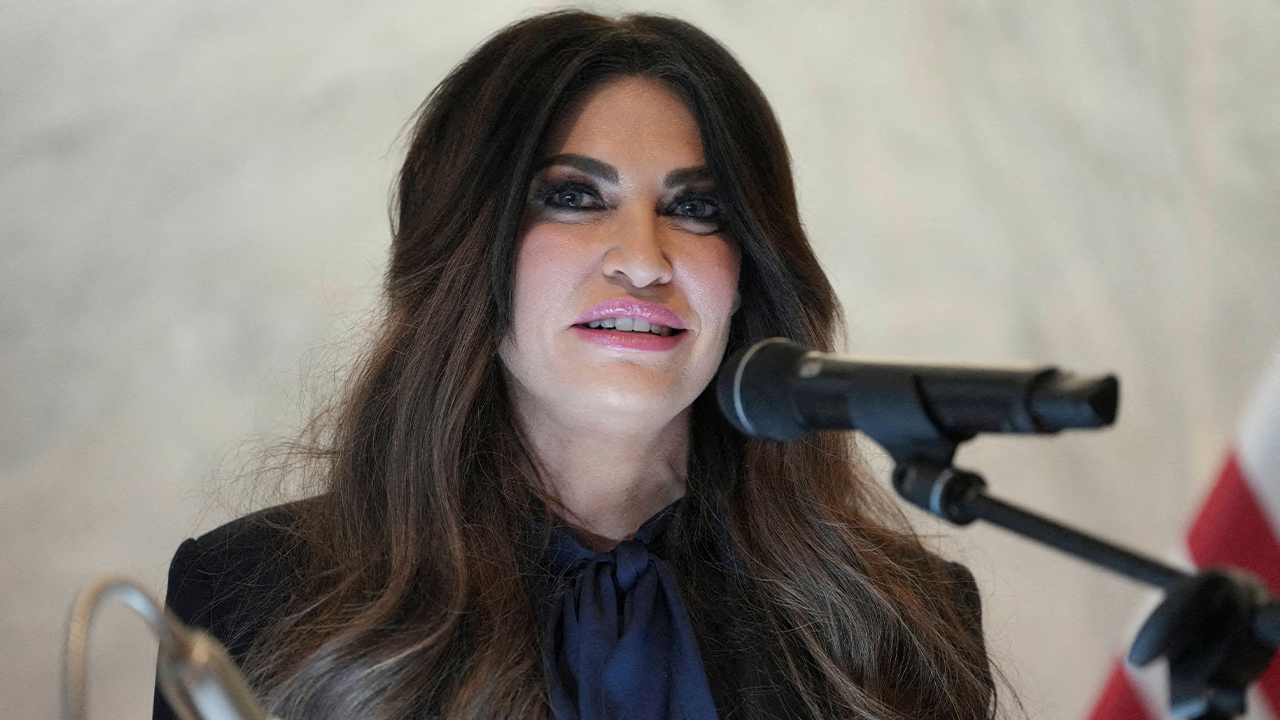
Trump and Rubio weigh removing US ambassador to Greece Kimberly Guilfoyle

Trump has not decided whether to livestream Nidal Hasan’s execution

Bipartisan senators condemn Trump deal on Russian oil

New York congestion toll linked to 13% lower fine-particle pollution
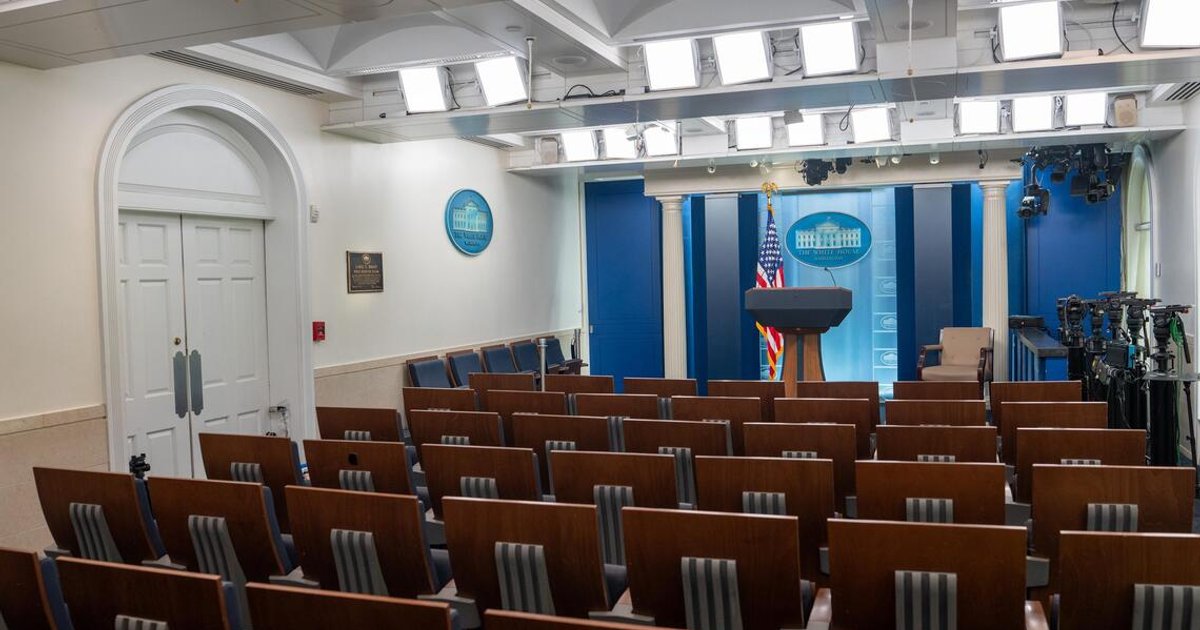
US Justice Department investigates networks over White House coverage pause
